
Building better futures through sustainable fisheries.
Welcome to the home of REBYC-III CLME+ and EAF4SG
Across the Caribbean and North Brazil Shelf, we are working to make fisheries more sustainable, more resilient and better equipped for the future. From testing safer fishing practices for reducing bycatch to strengthening fisheries governance, data and participation, this is where regional action, local knowledge and practical solutions come together.

Attending GCFI79? Join our Pre-Conference Workshop.
Explore the projects
Discover the regional initiatives advancing practical solutions, stronger fisheries management and more resilient fishing communities.
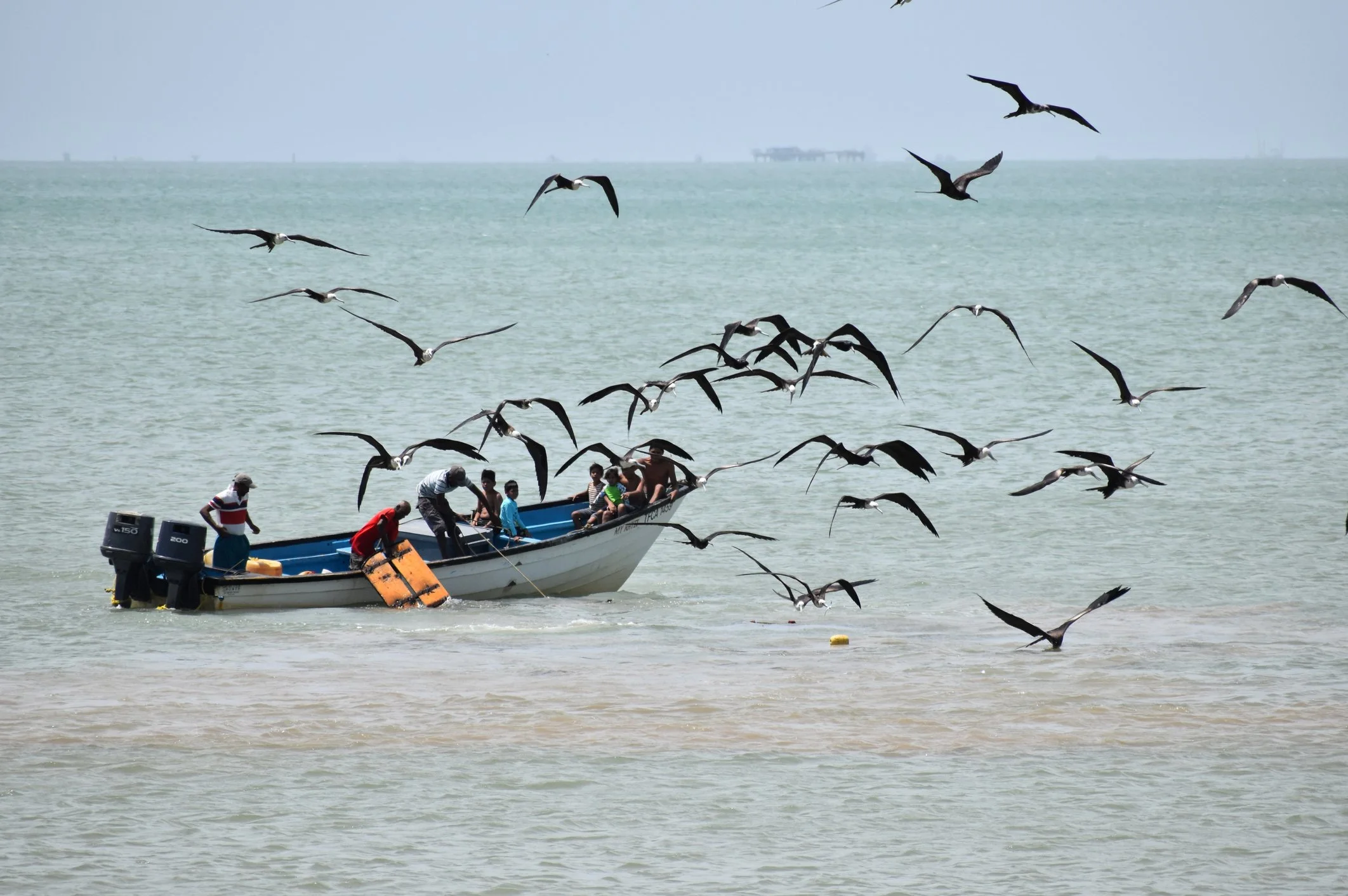
REBYC-III CLME+
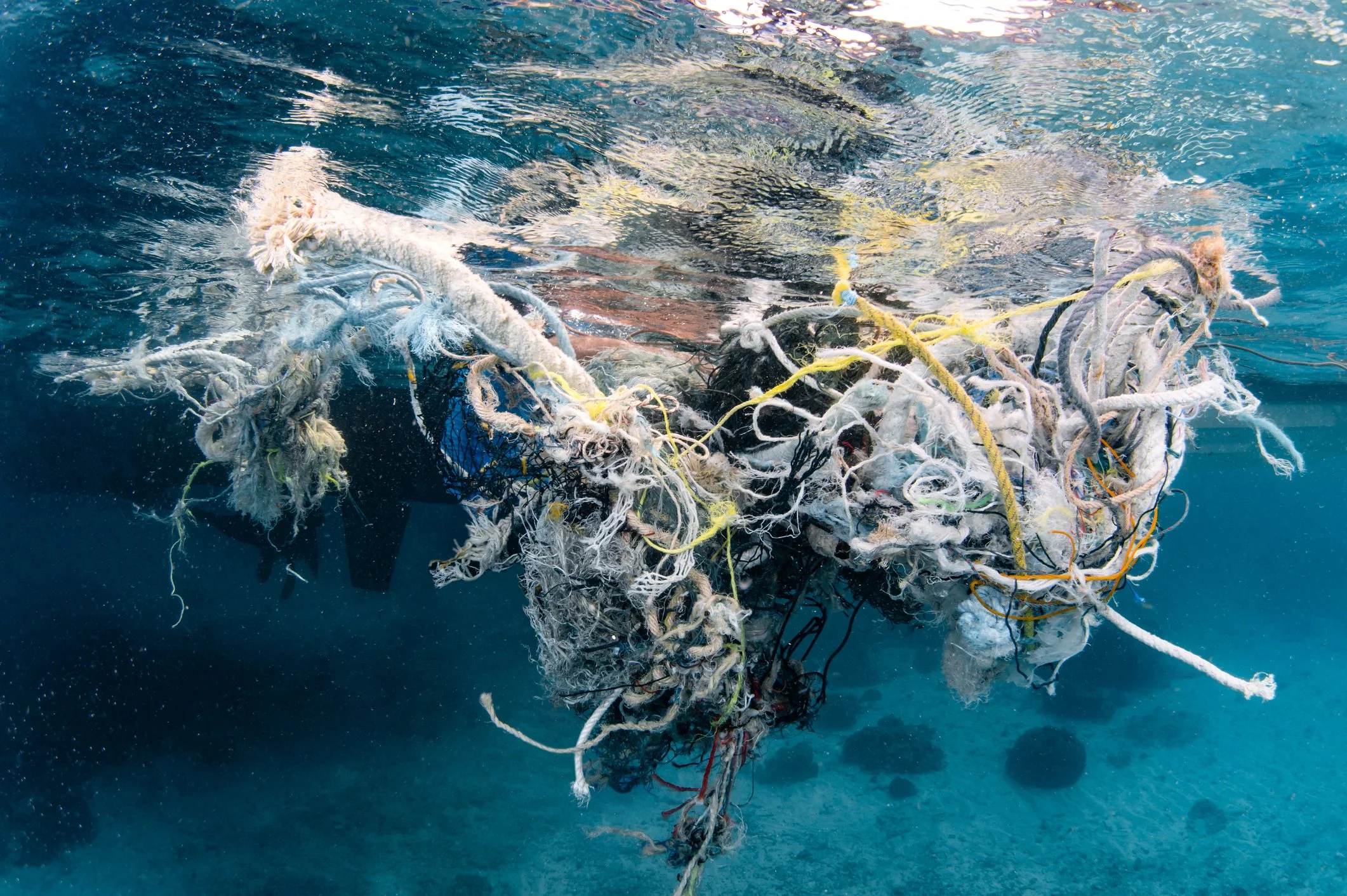
Reducing bycatch, limiting discards and addressing abandoned, lost or otherwise discarded fishing gear through practical technologies, stronger management and closer engagement with fishing communities.
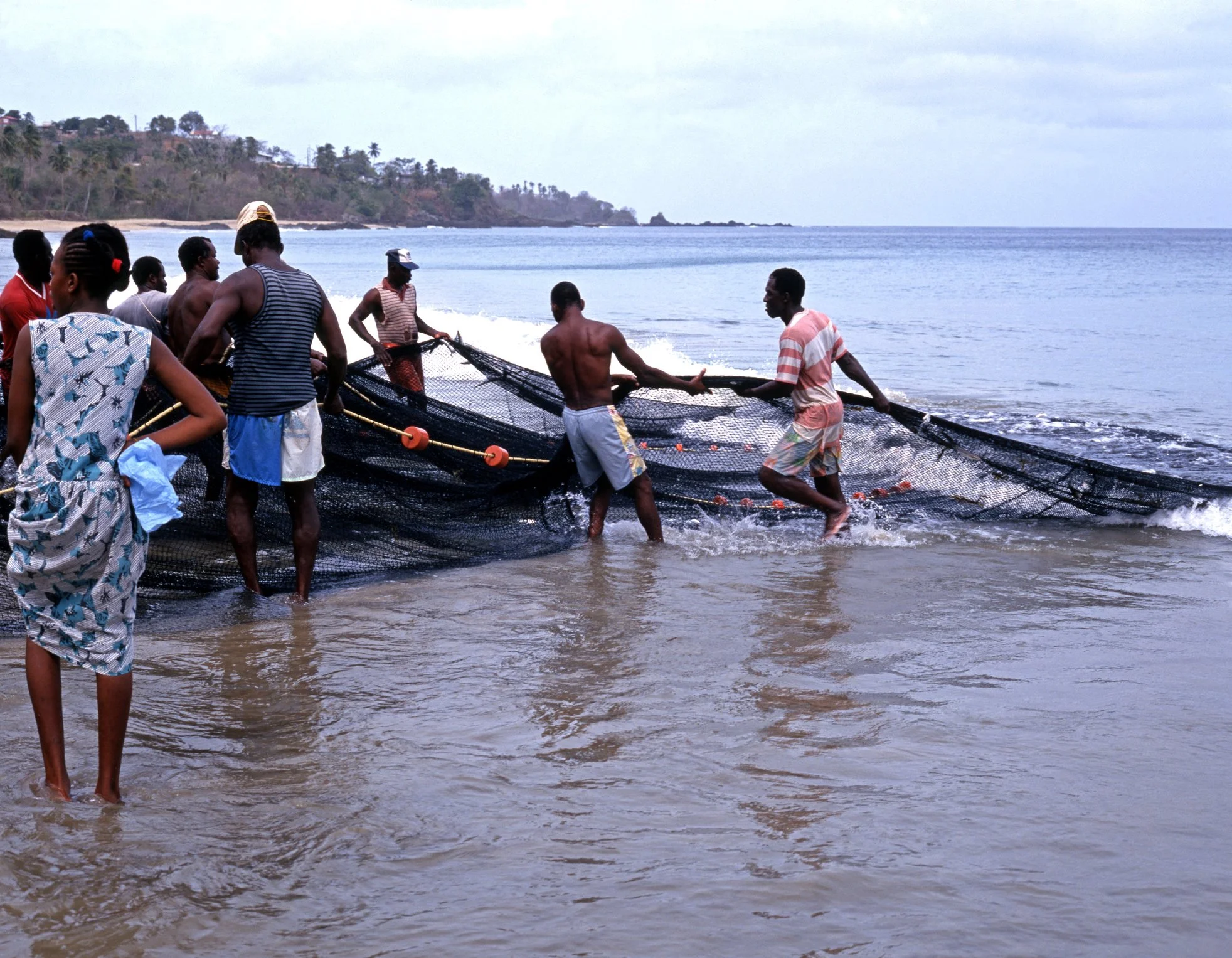
EAF4SG
Strengthening fisheries management from ecosystem to institution and building the knowledge, capacity and governance needed to adopt and implement the Ecosystem Approach to Fisheries.
Sustainable fisheries are built through practical action, stronger systems and the people who bring both to life.
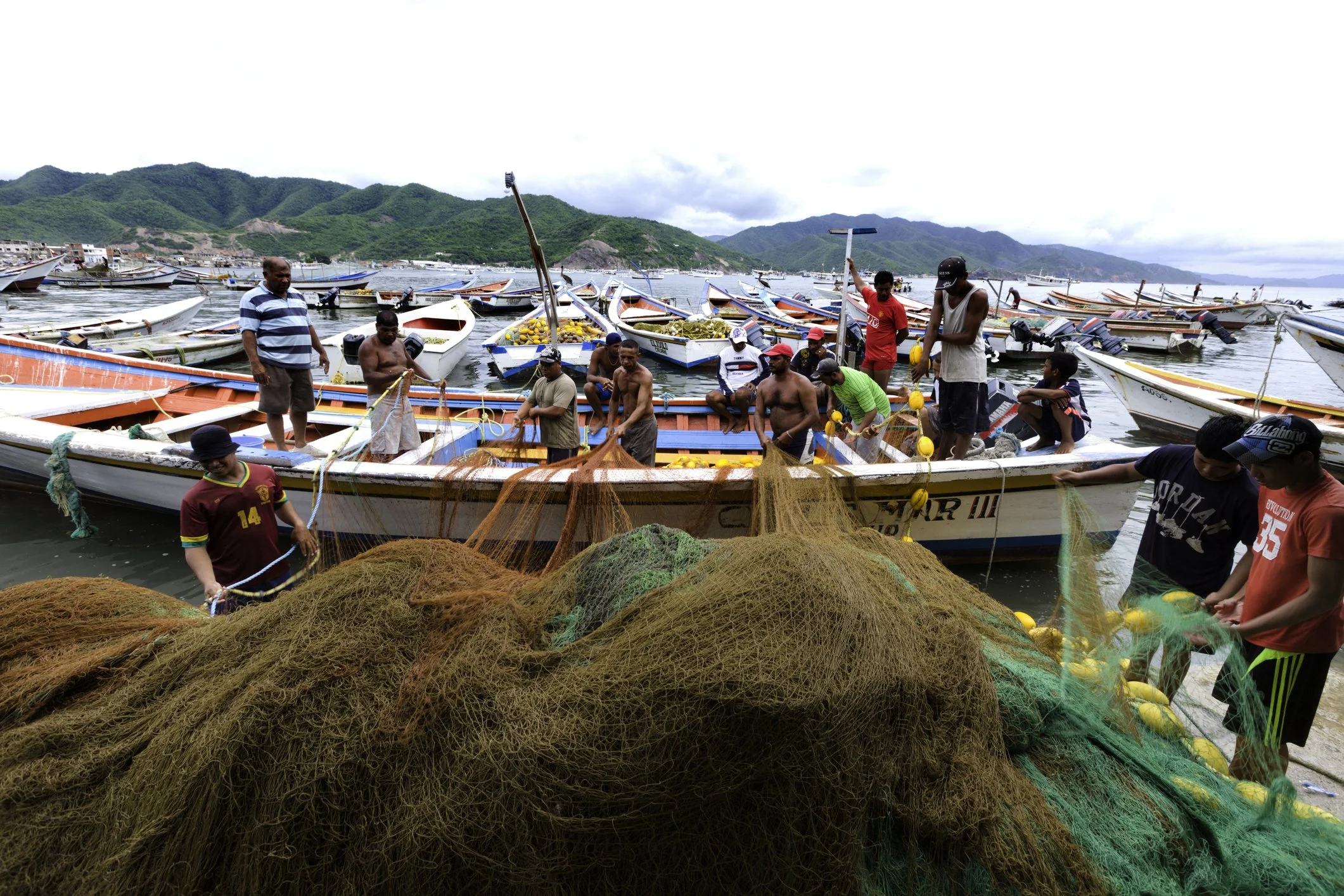

Women are essential to the future of fisheries
Across fisheries value chains, women contribute vital knowledge, labour and leadership, from processing, vending and trade to community livelihoods and decision-making. Yet much of this work remains informal, undervalued or overlooked.
Discover how the projects are helping to make women’s contributions more visible, strengthen participation and create fairer access to resources, leadership and opportunity.
Field Research
What the Trials Are Teaching Us
-
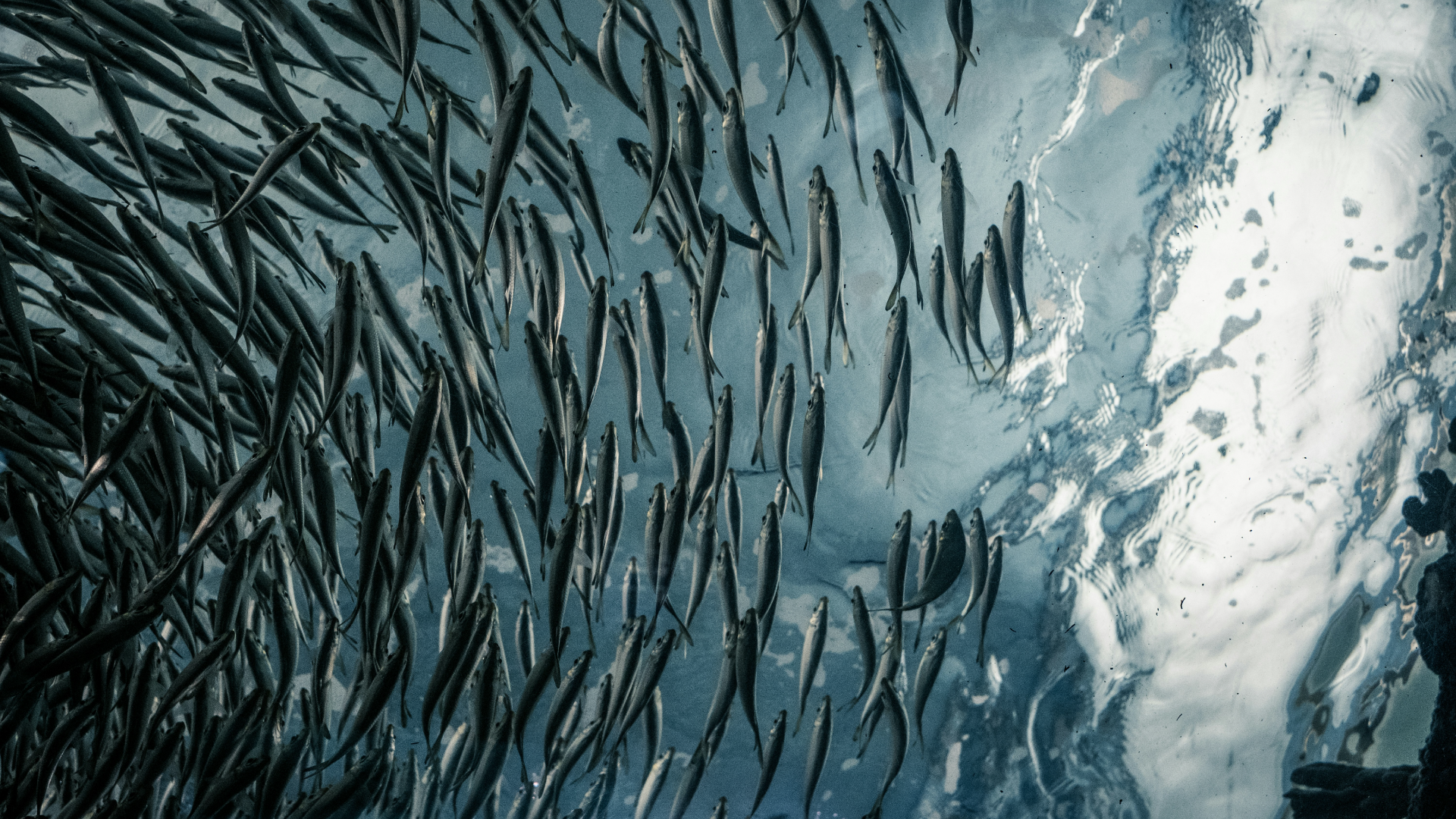
![A large school of small fish swimming underwater near a rocky coral reef.]()
Comparative Performance of Hook Types in the Barbados Pelagic Longline Pilot Trials
Hook geometry as a determinant of pelagic longline performance: evidence from Barbados
-
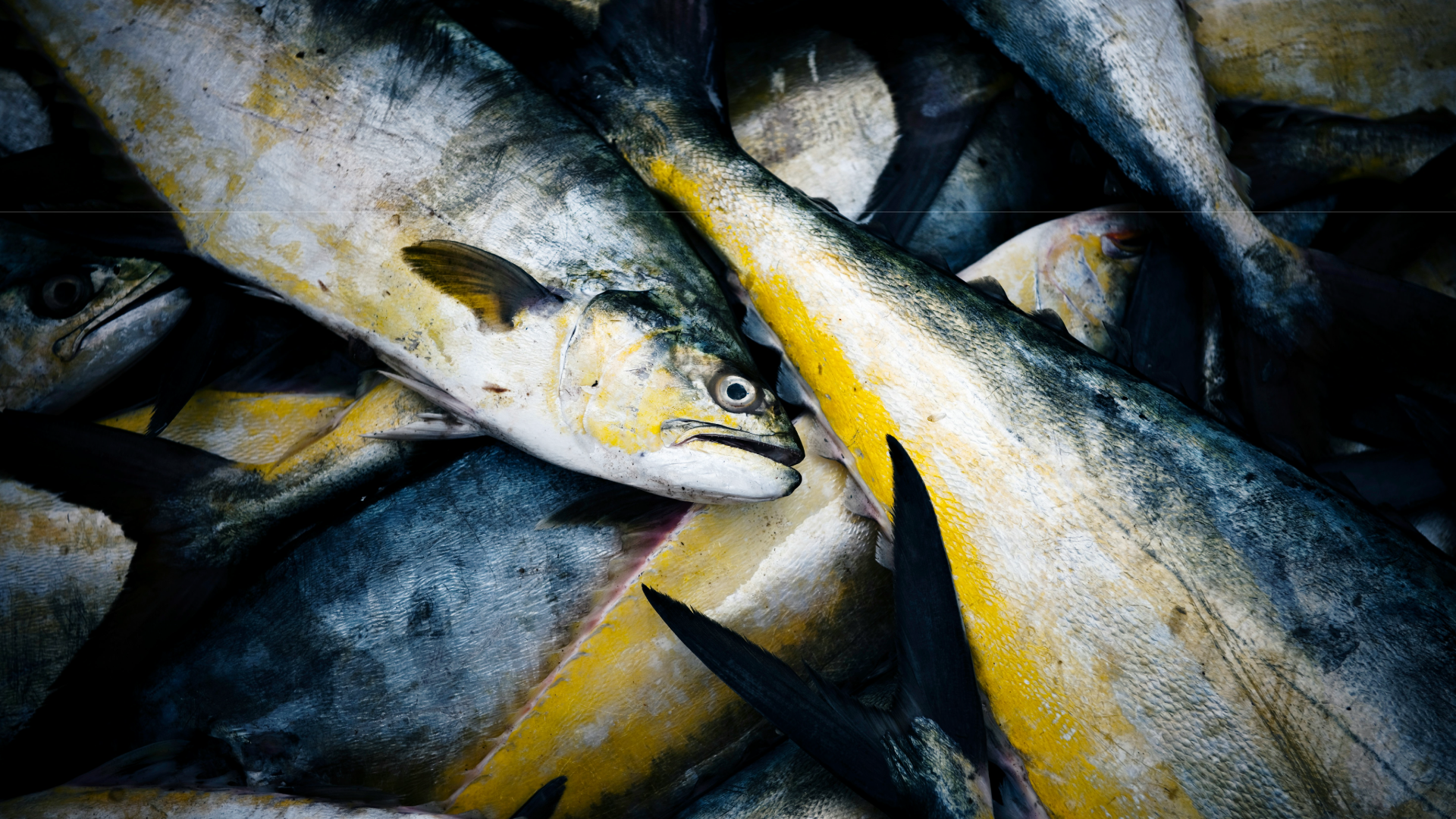
![Several freshly caught fish, including yellowtail and other varieties, piled together on a surface.]()
Effects of Acoustic Deterrent Devices on Fish CPUE and Catch Dominance in the Guyana Driftnet Fleet
The first pinger experiment in Guyana's coastal driftnet fishery