

Enhancing capacity for the adoption and implementation of Ecosystem Approach to Fisheries (EAF) in the shrimp and groundfish fisheries of the North Brazil Shelf Large Marine Ecosystem

EAF4SG is helping to build a more connected approach to fisheries management in Guyana, Suriname and Trinidad and Tobago. Focused on the shrimp and groundfish fisheries of the North Brazil Shelf Large Marine Ecosystem, the project advances the Ecosystem Approach to Fisheries by improving the data, governance, planning and collaboration needed to manage fisheries as part of a wider living system. Its work recognizes that sustainable fisheries depend not only on healthy fish stocks, but also on healthy habitats, strong institutions, informed decision-making and the well-being of the people and communities who rely on the sea.
A shared approach to fisheries management
EAF4SG is a four-year project supported by US$1.78 million in financing from the Global Environment Facility, implemented by the Food and Agriculture Organization of the United Nations and executed by The University of the West Indies, Faculty of Food and Agriculture.
The project supports implementation of the CLME+ Strategic Action Programme, particularly the development and implementation of the Ecosystem Approach to Fisheries for the shared shrimp and groundfish resources of the North Brazil Shelf Large Marine Ecosystem.
In Guyana, Suriname and Trinidad and Tobago, national fisheries authorities serve as executing partners and focal points, working with fisherfolk organisations and other fisheries stakeholders to strengthen the information, planning and participation needed for effective fisheries management.
Because many of these resources are shared across national boundaries, EAF4SG also works with the Western Central Atlantic Fishery Commission and the Caribbean Regional Fisheries Mechanism to strengthen subregional coordination and advance more harmonized approaches to managing shrimp and groundfish fisheries.
-
The project strengthens national and subregional fisheries information and data-management systems, providing a better foundation for planning, implementing and evaluating the Ecosystem Approach to Fisheries.
-
EAF4SG supports greater stakeholder participation in national decision-making, stronger management planning for shared shrimp and groundfish resources, and legal and regulatory frameworks that are better equipped to support ecosystem-based fisheries management.
-
The project develops gender-sensitive business opportunities for small-scale fishing communities and works to create a more supportive policy and investment environment for practices that contribute to EAF management.
-
Through knowledge management, outreach and shared learning, EAF4SG increases understanding of the processes, measures, options and incentives available for effective EAF management. Adaptive management and gender-responsive implementation allow the project to learn from experience and improve its work over time.
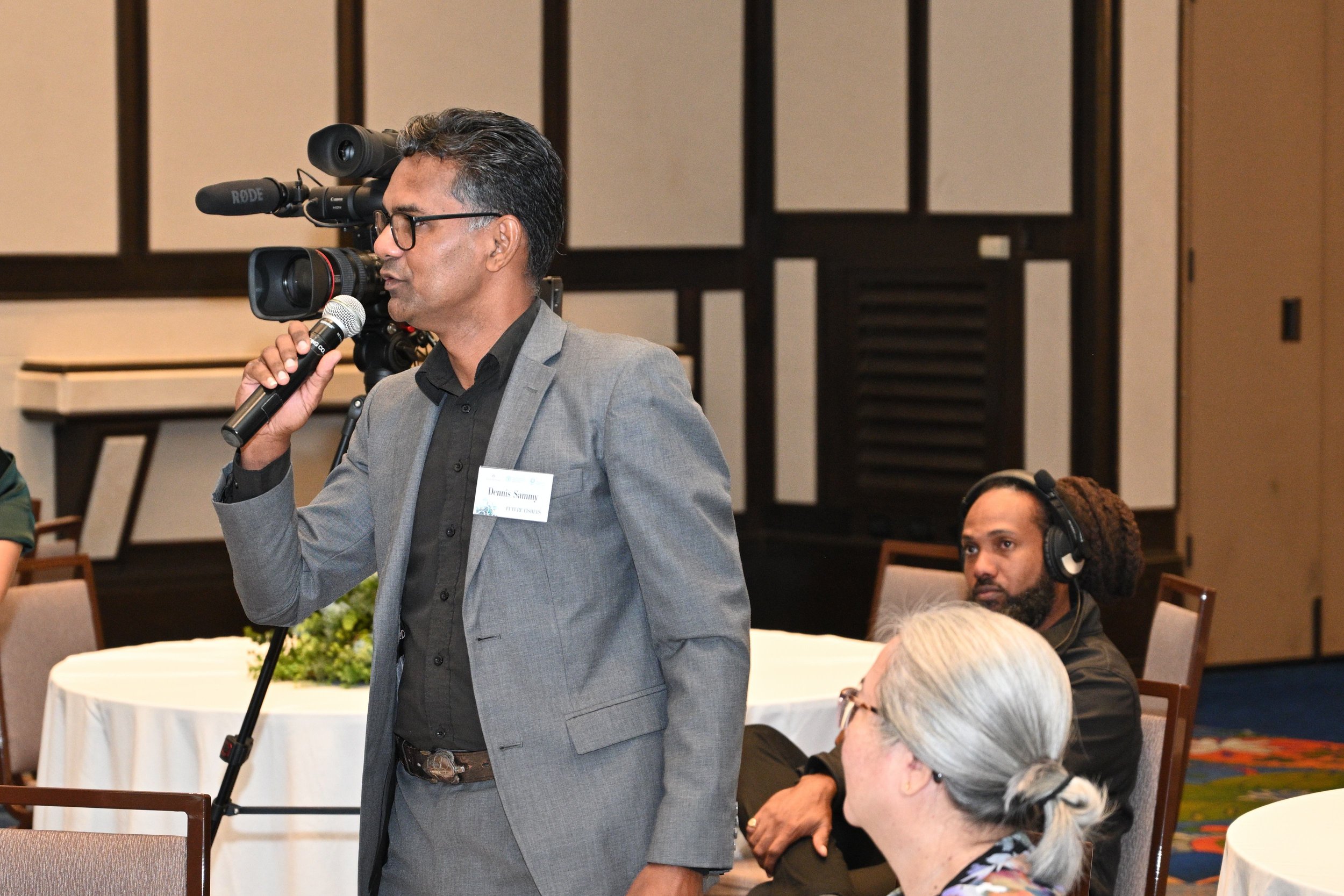
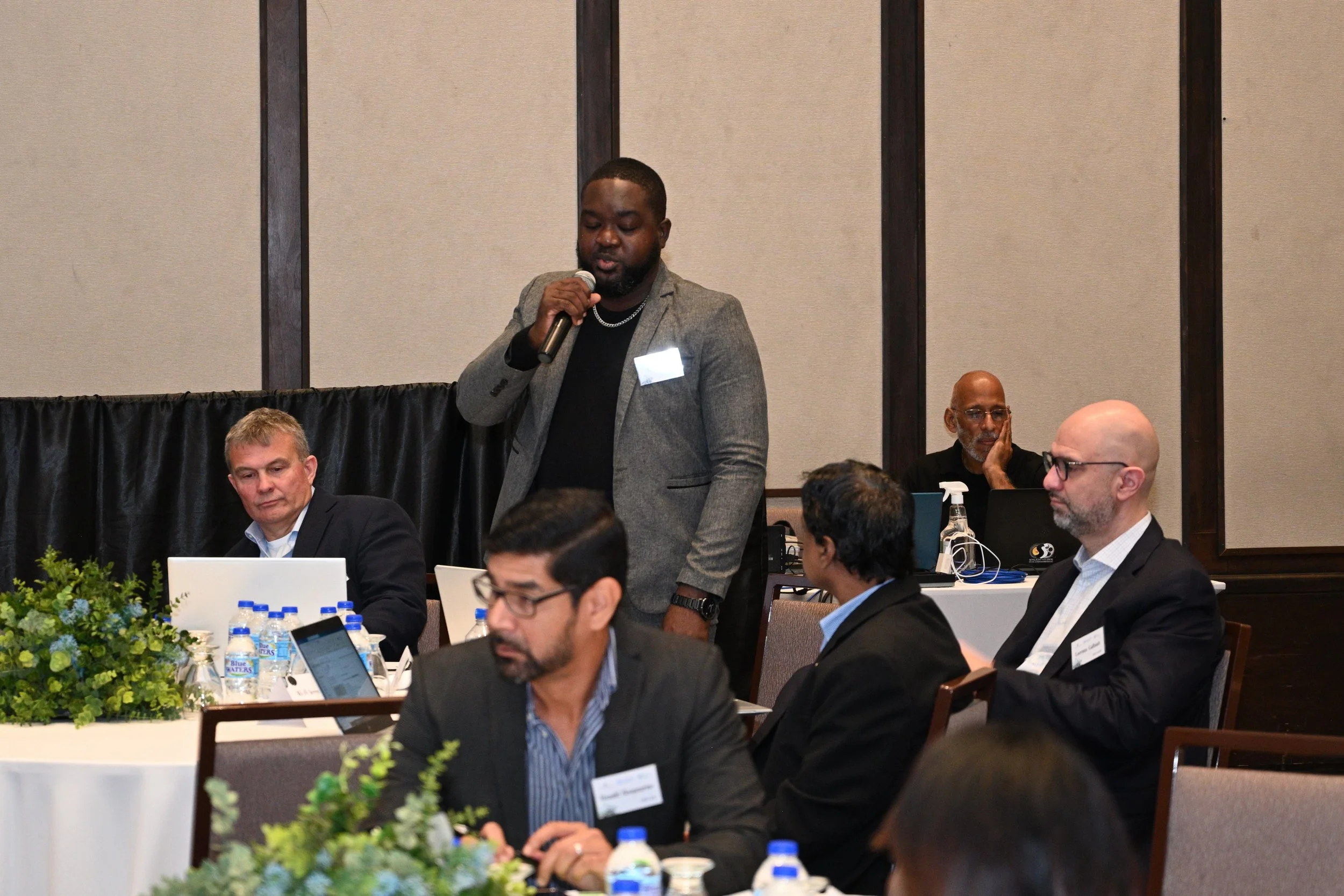
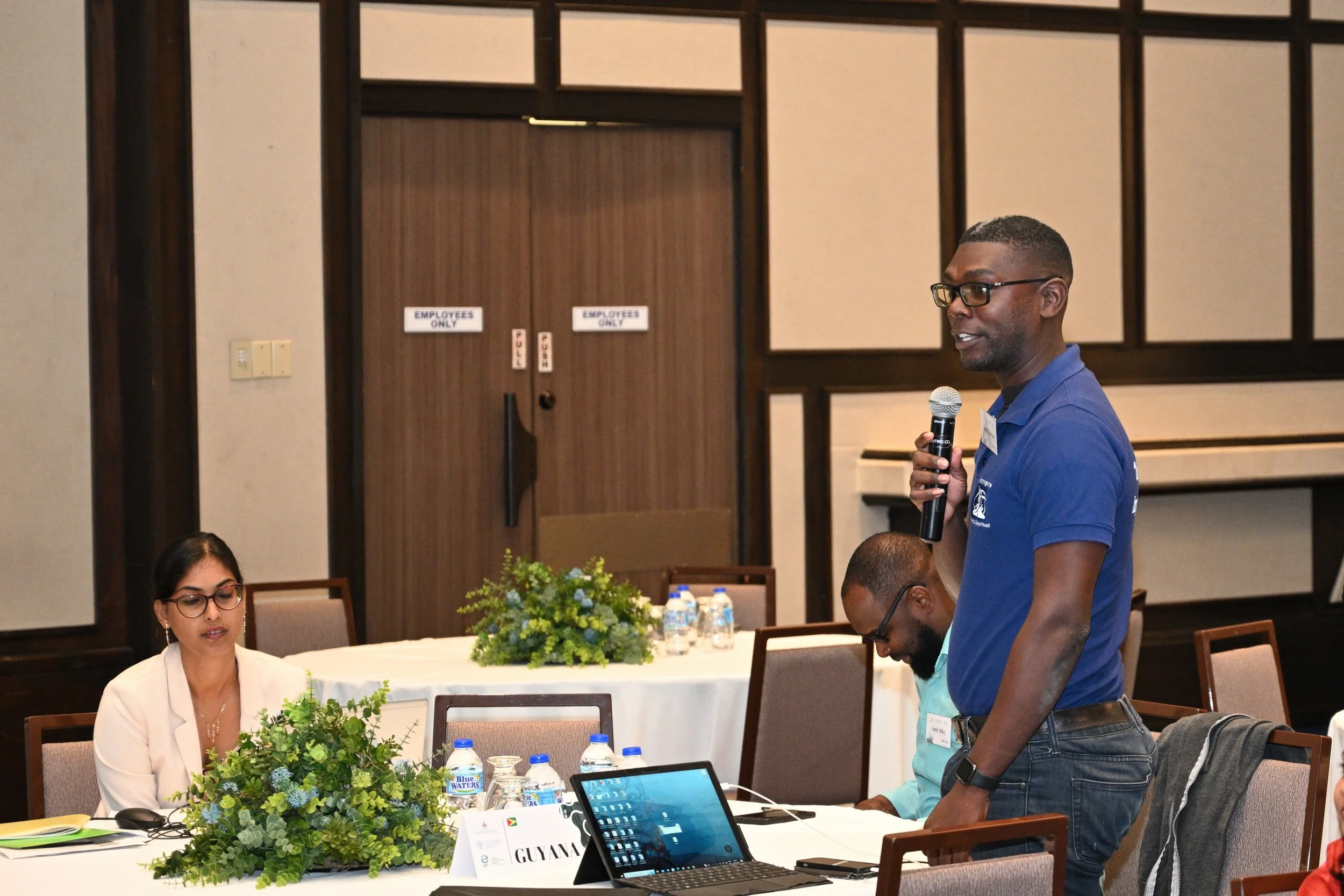
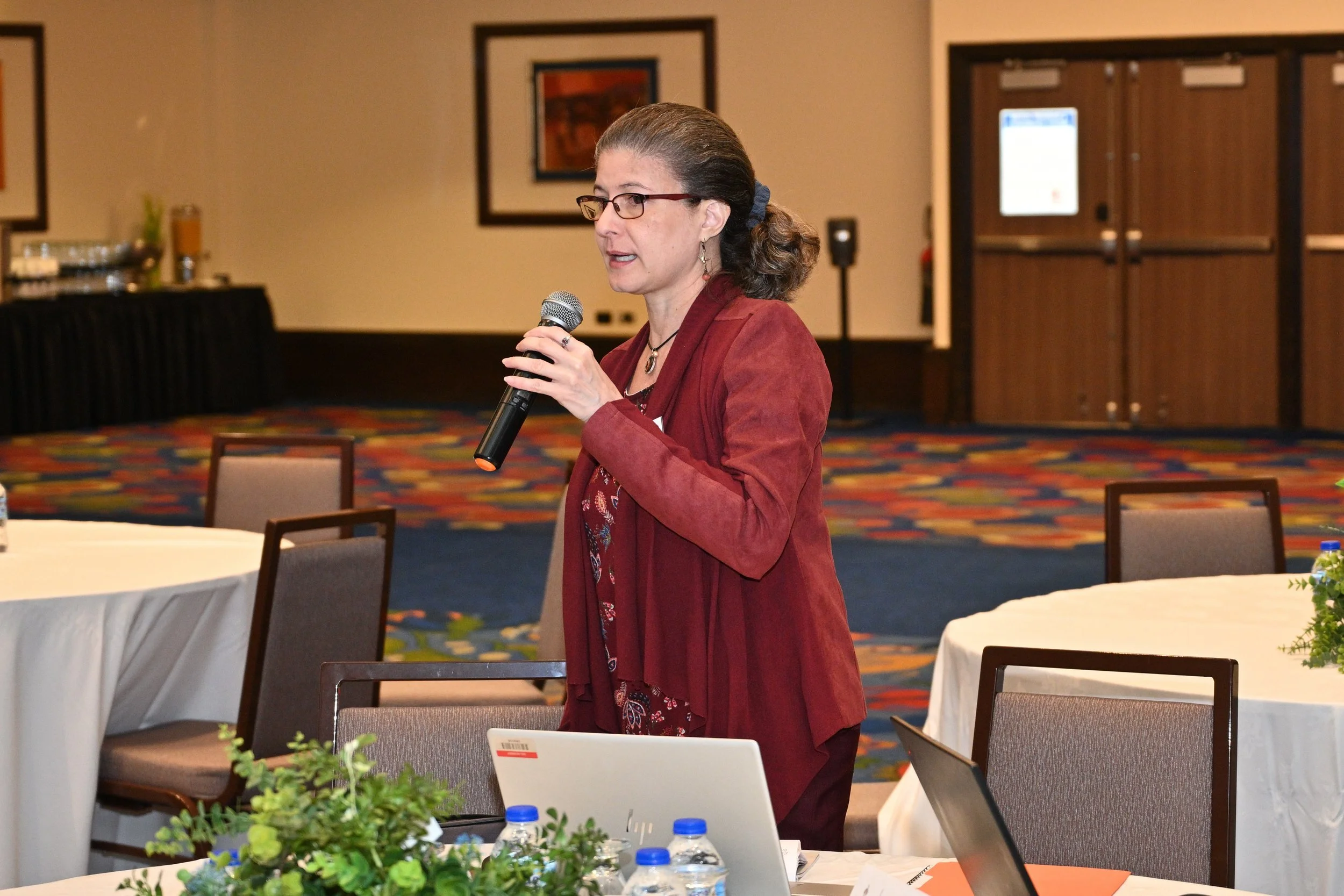
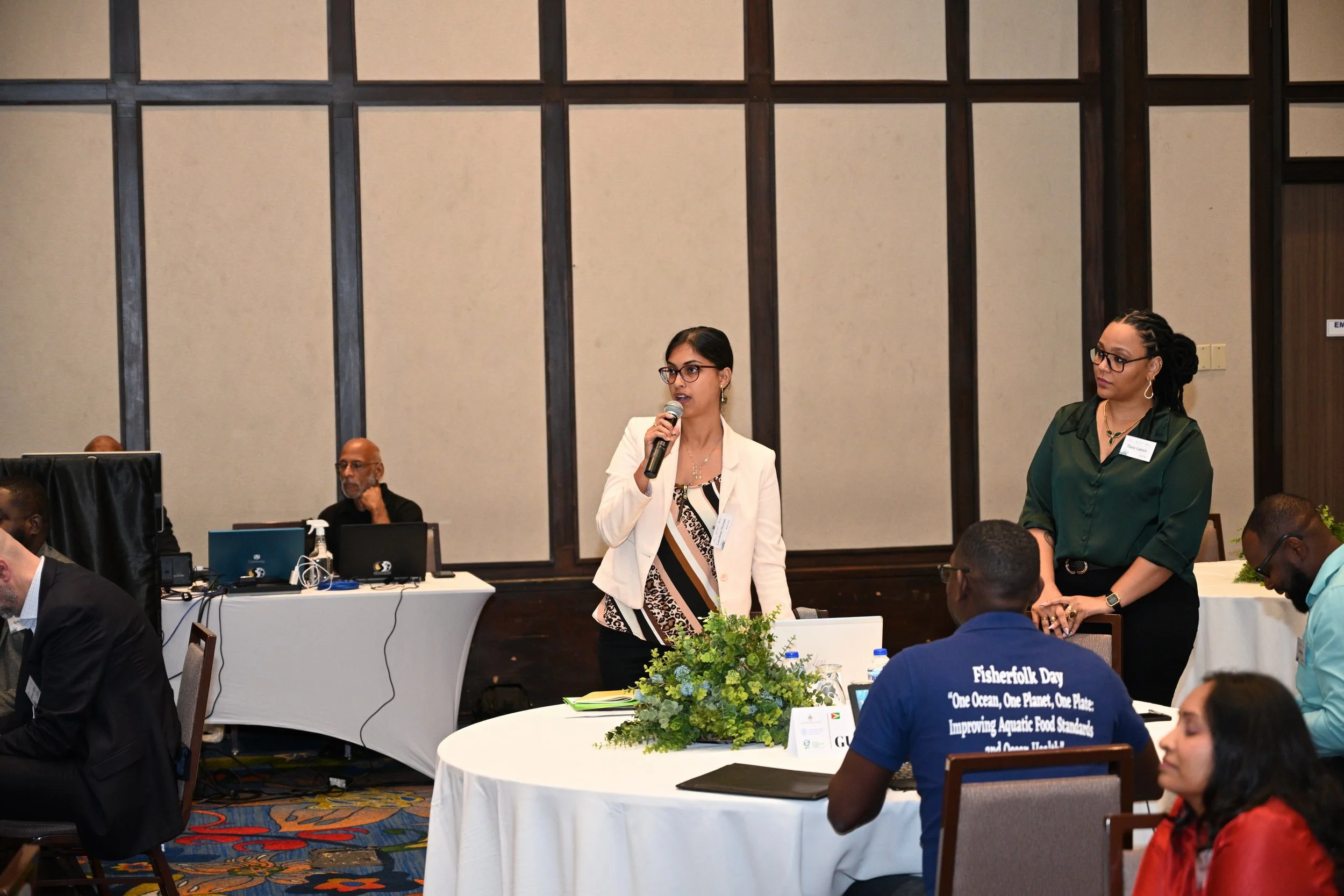
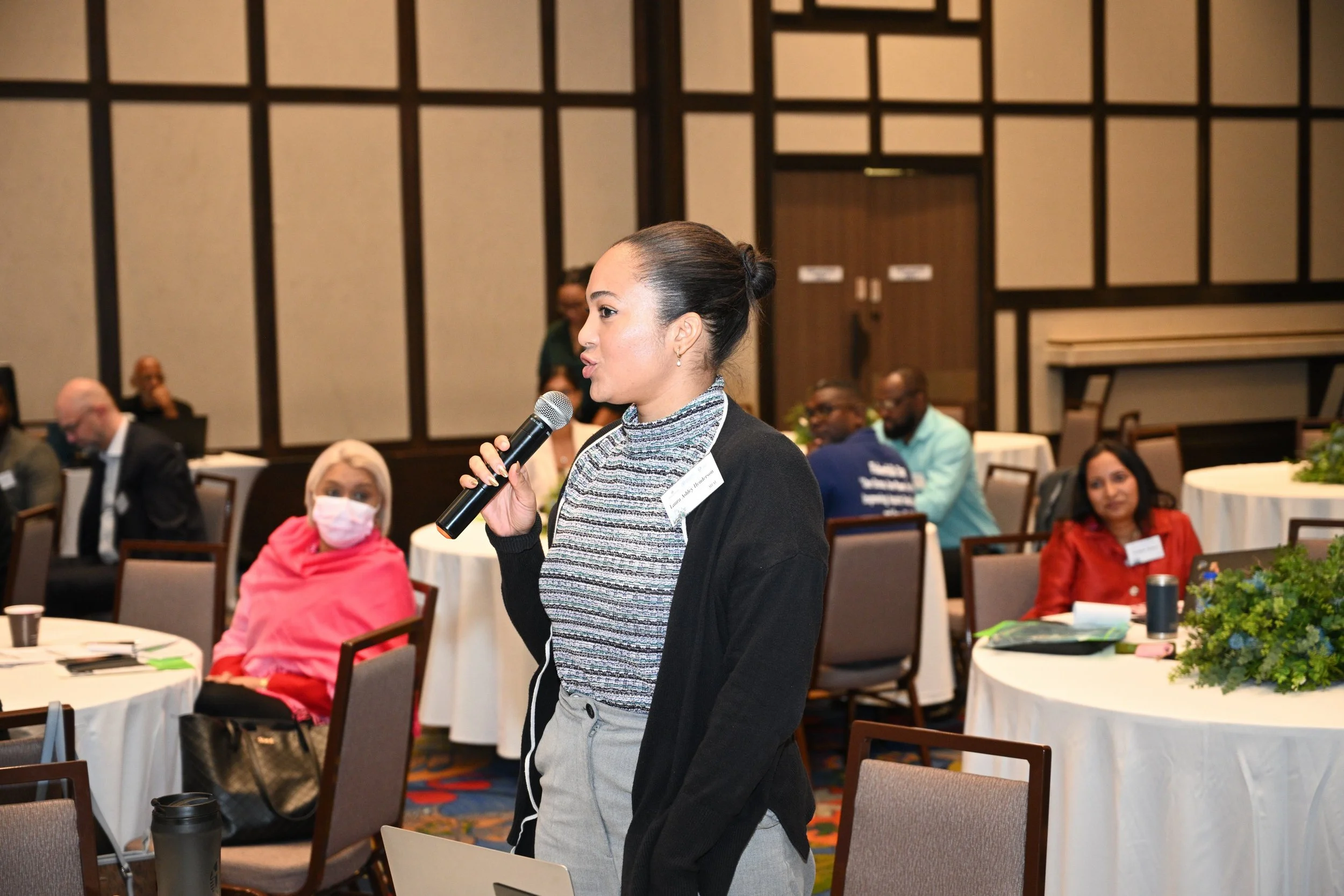
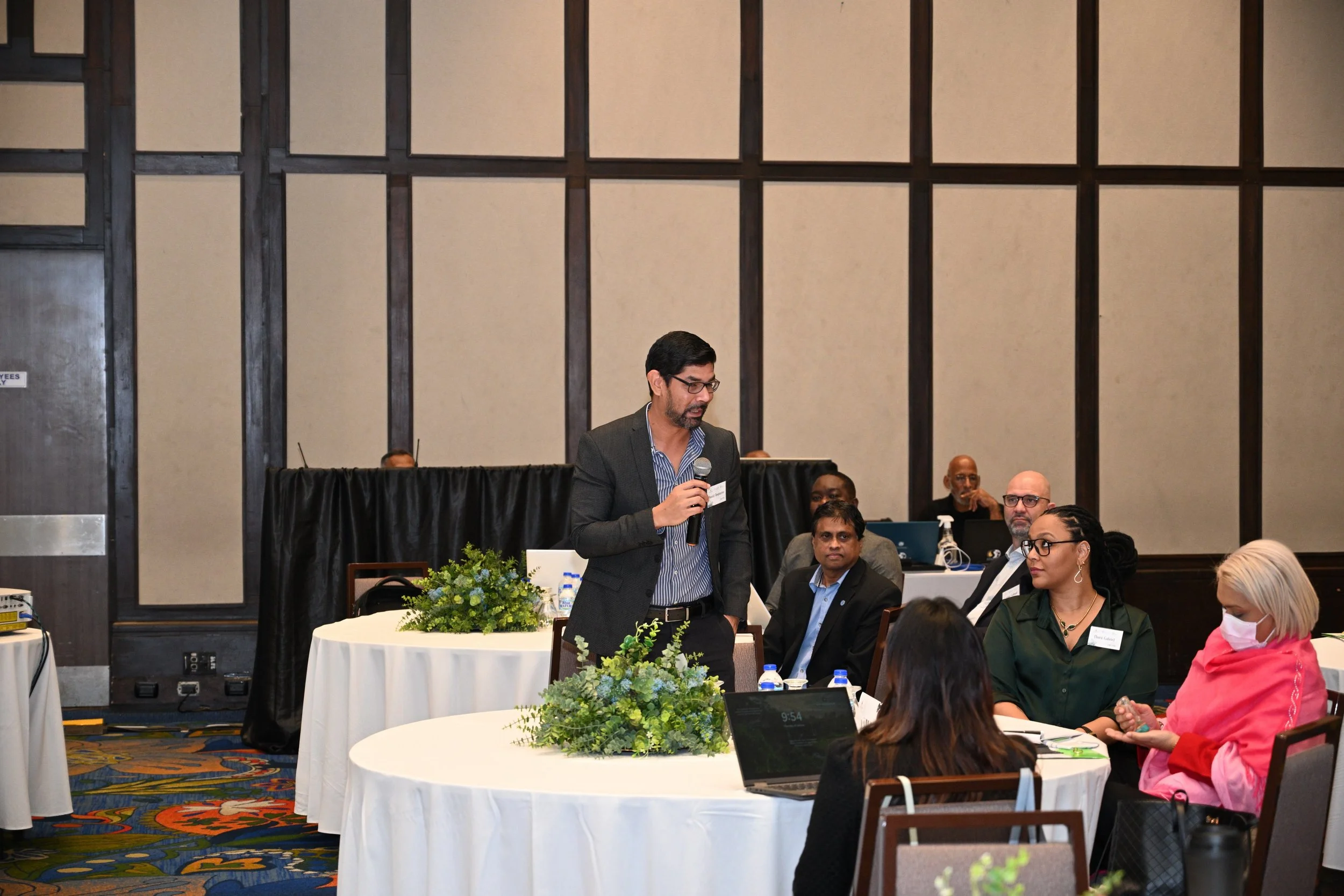
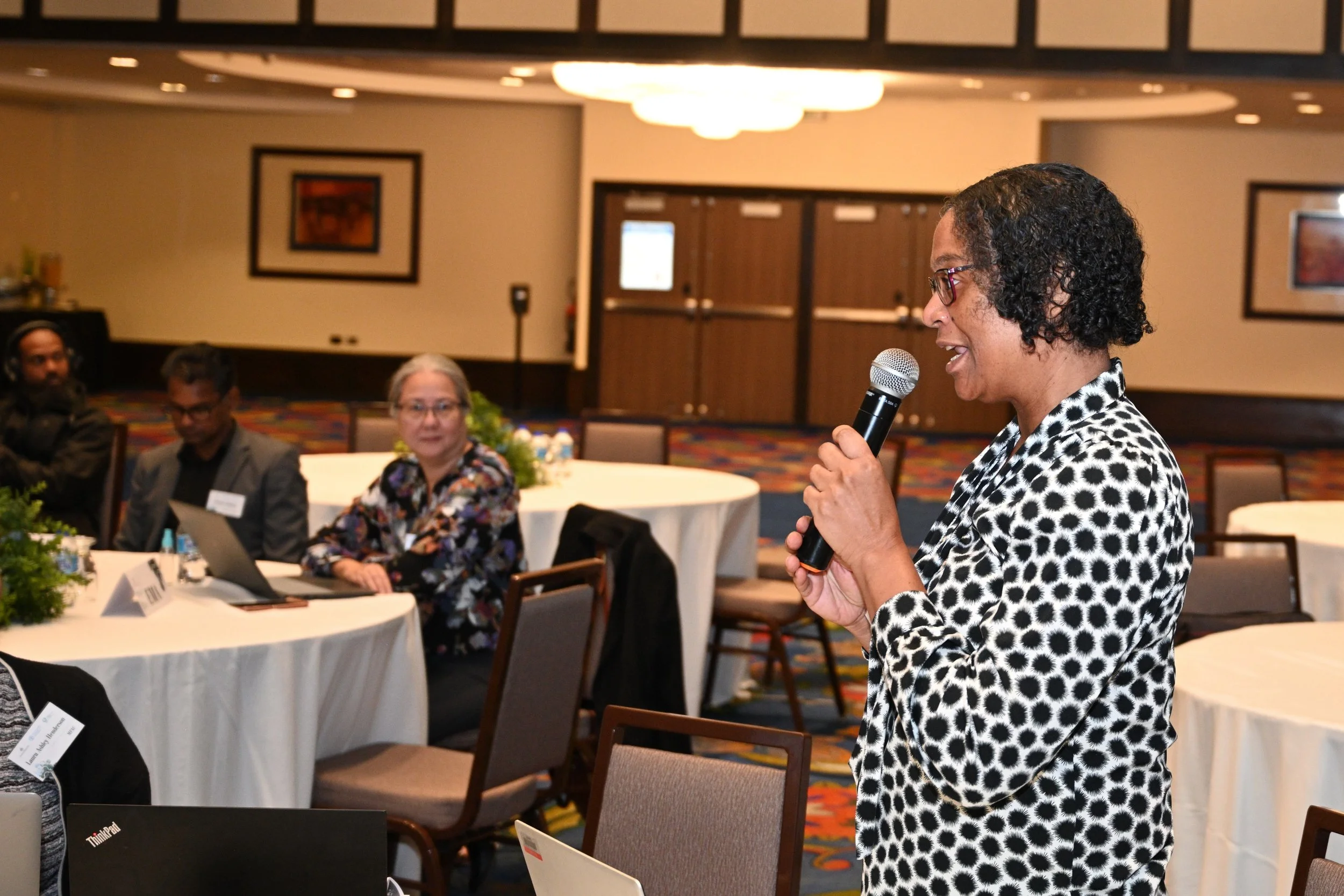
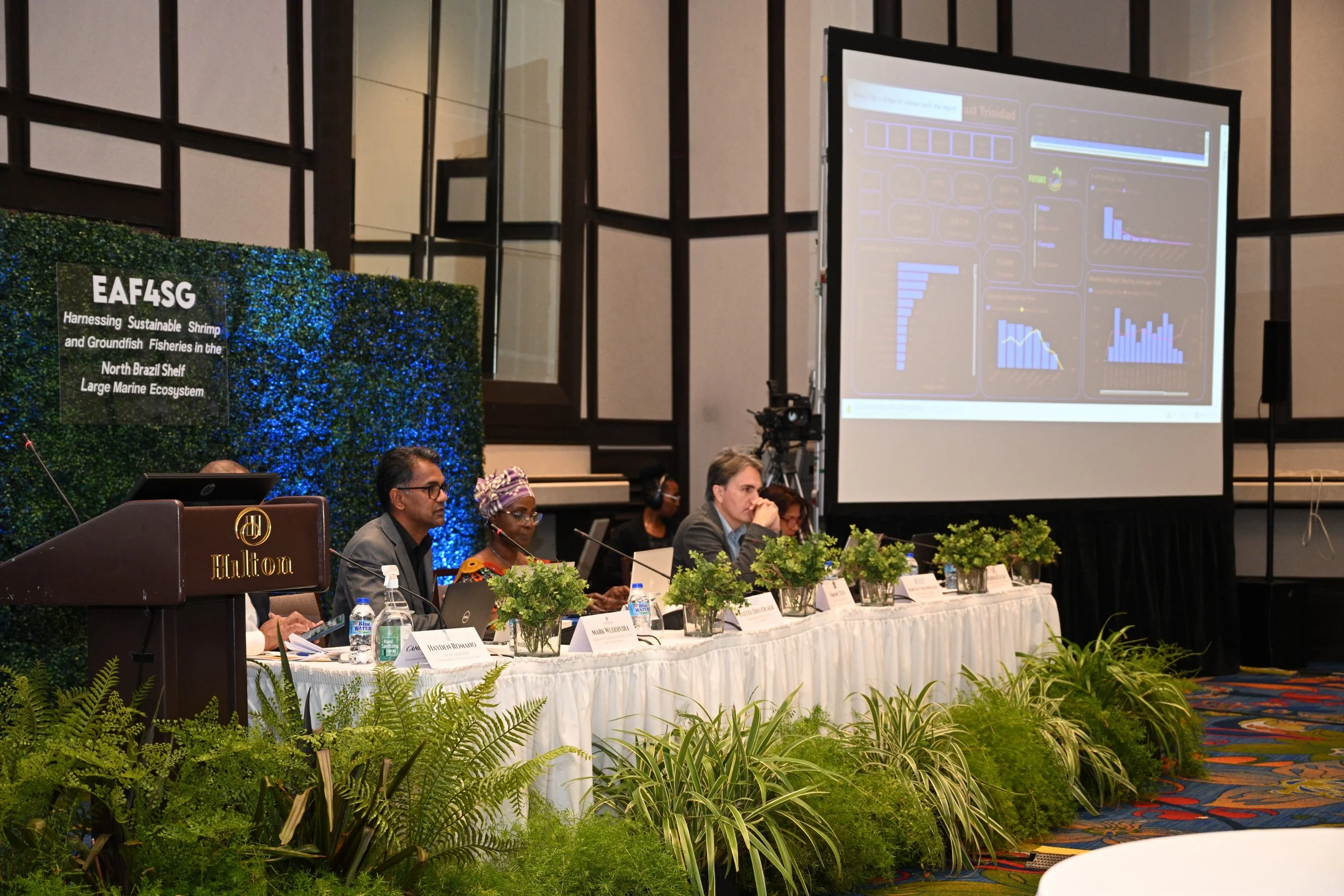
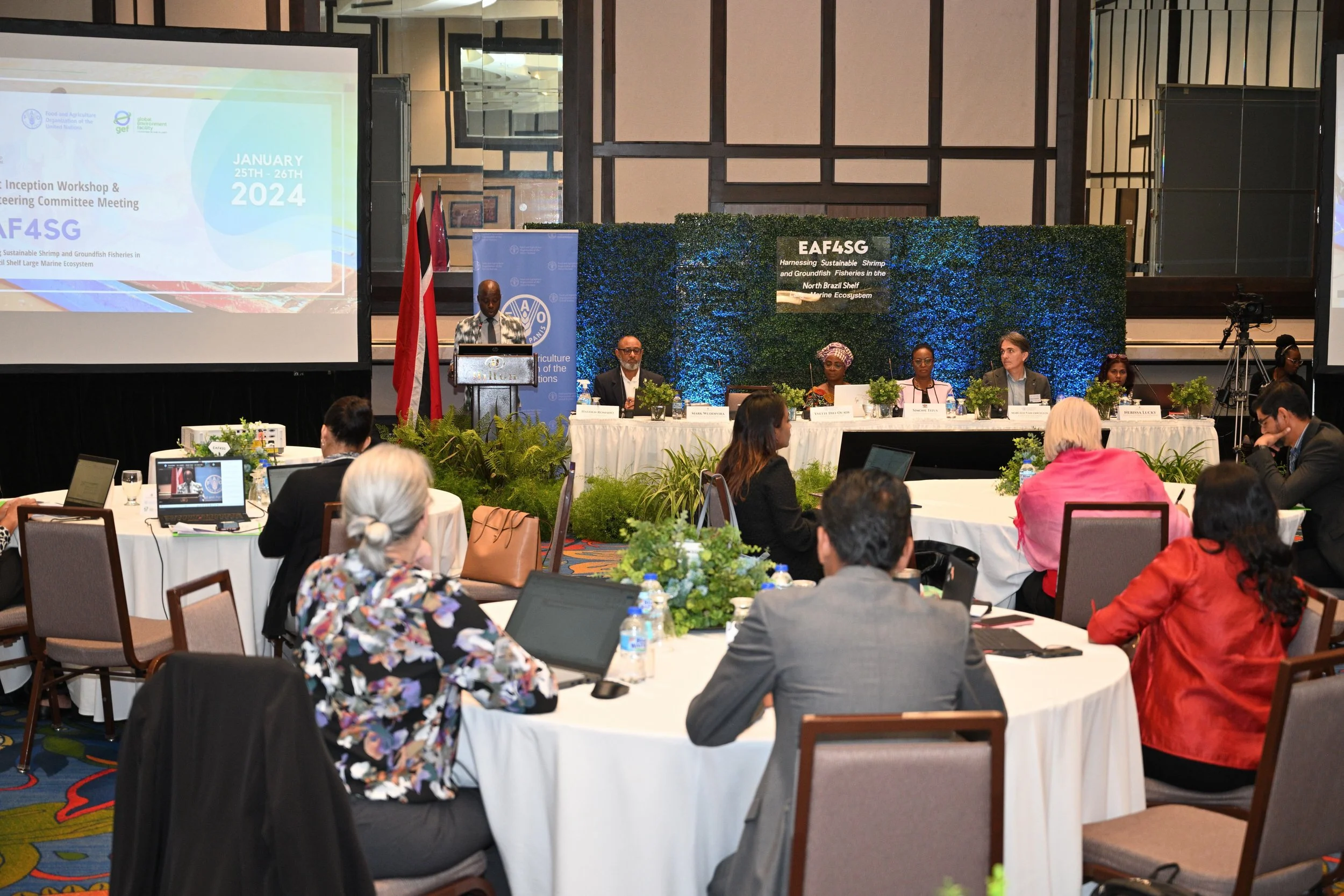
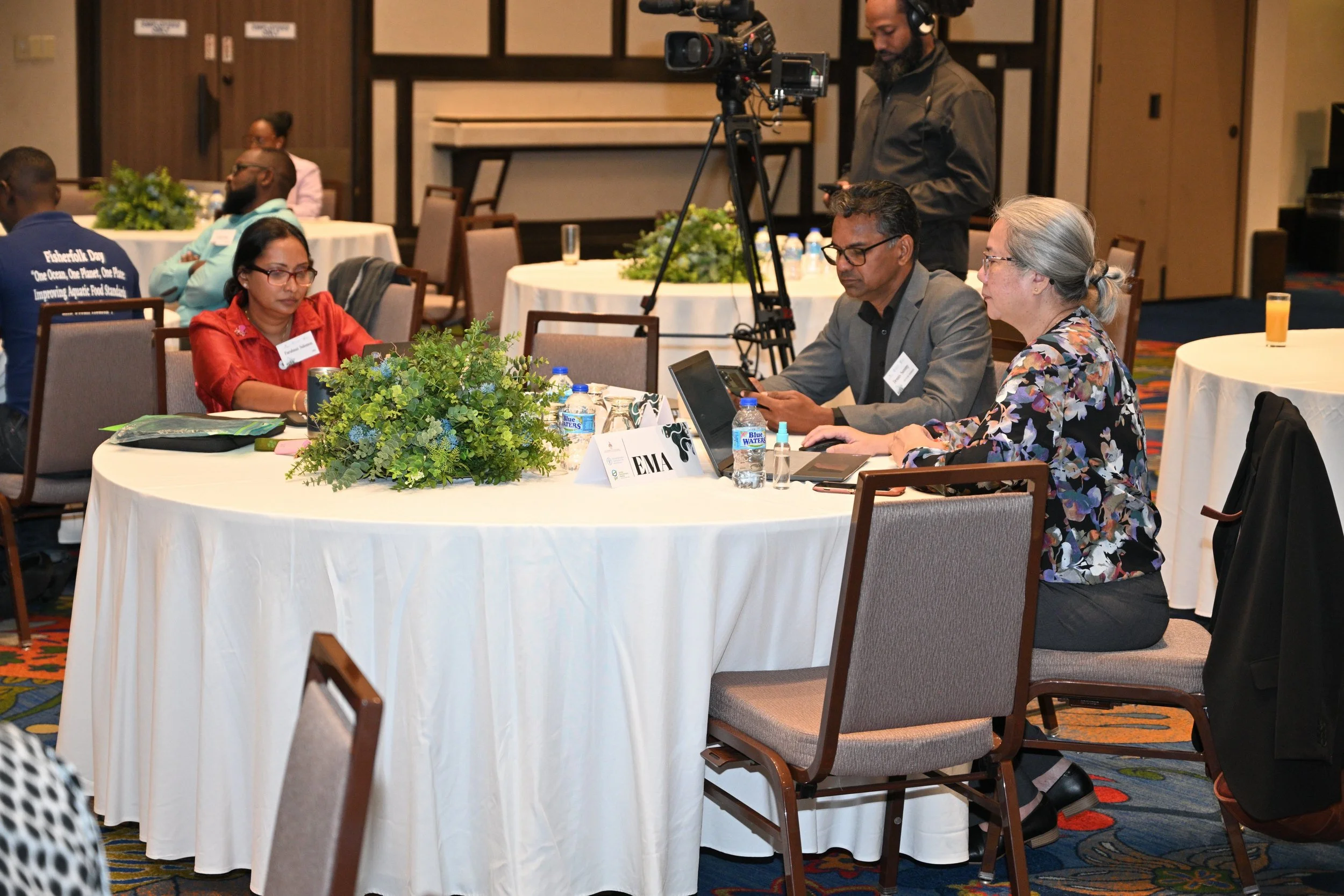
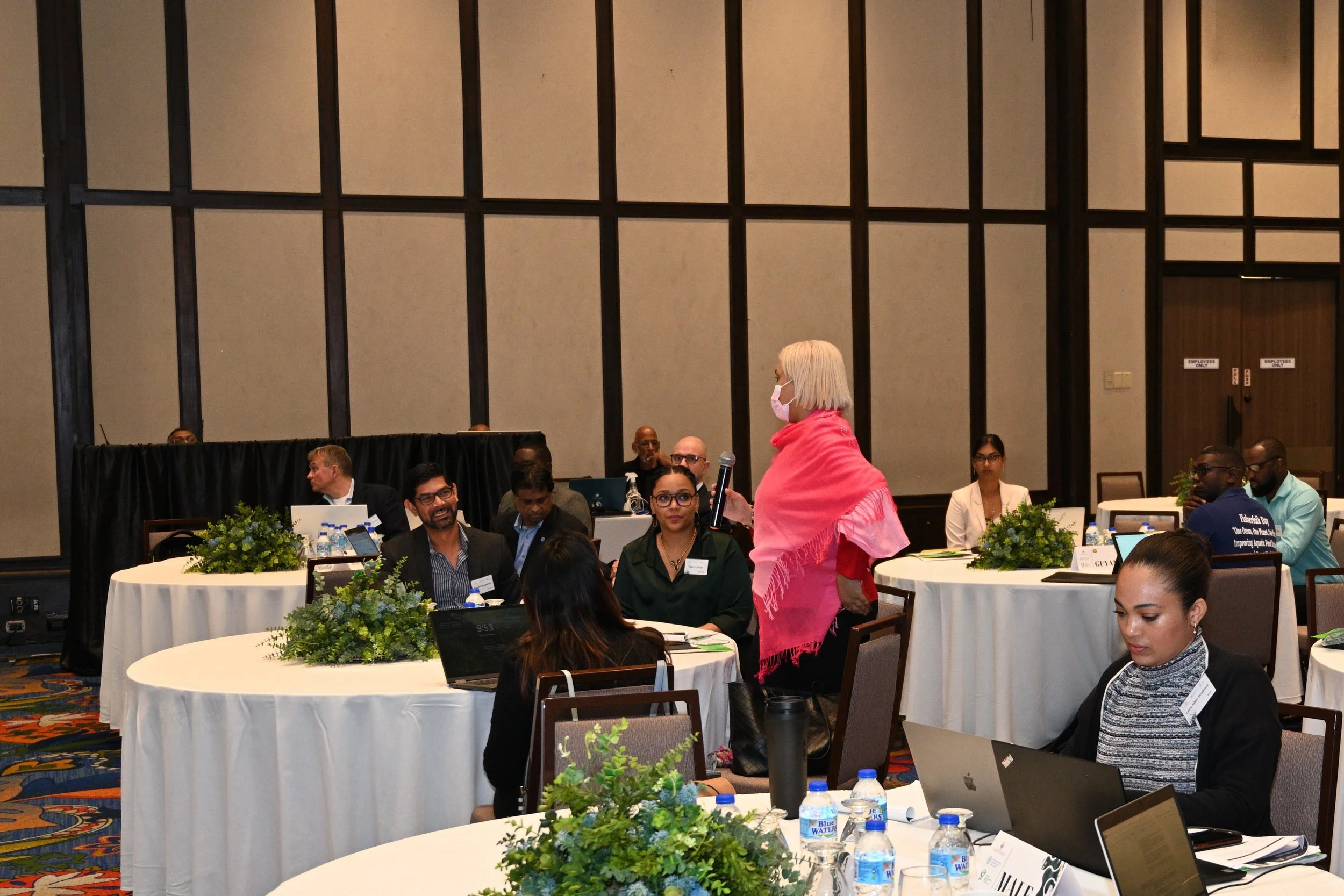
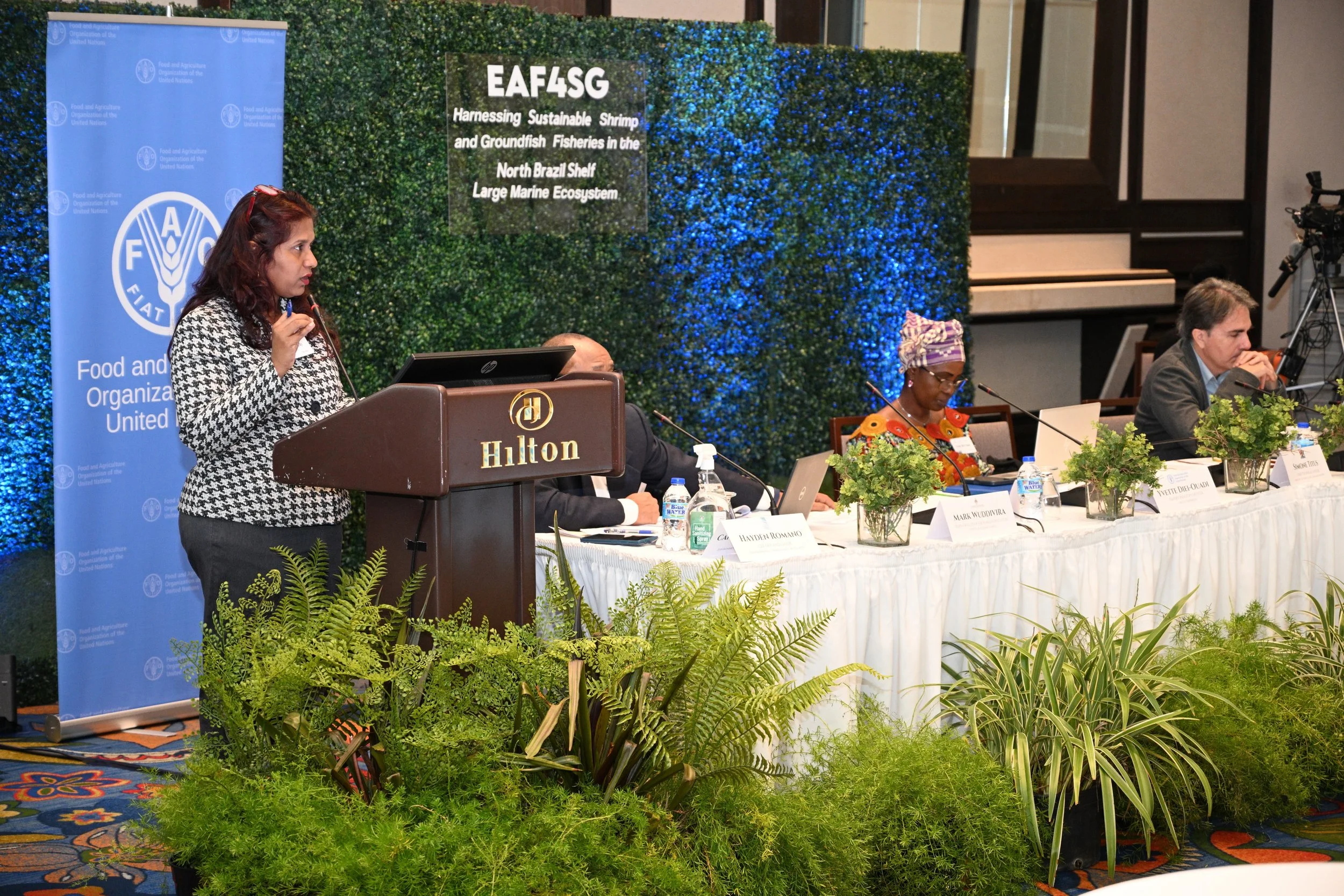
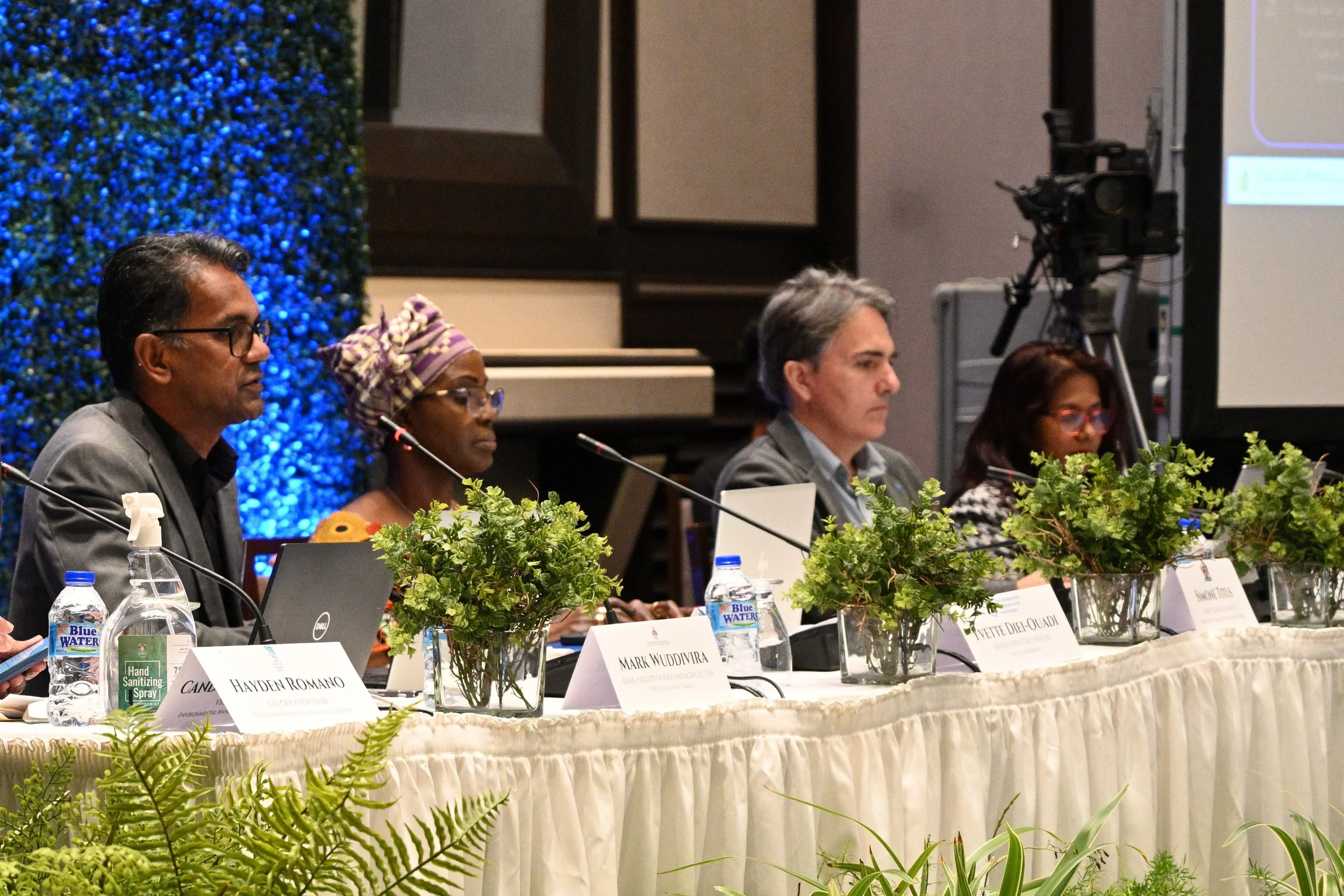
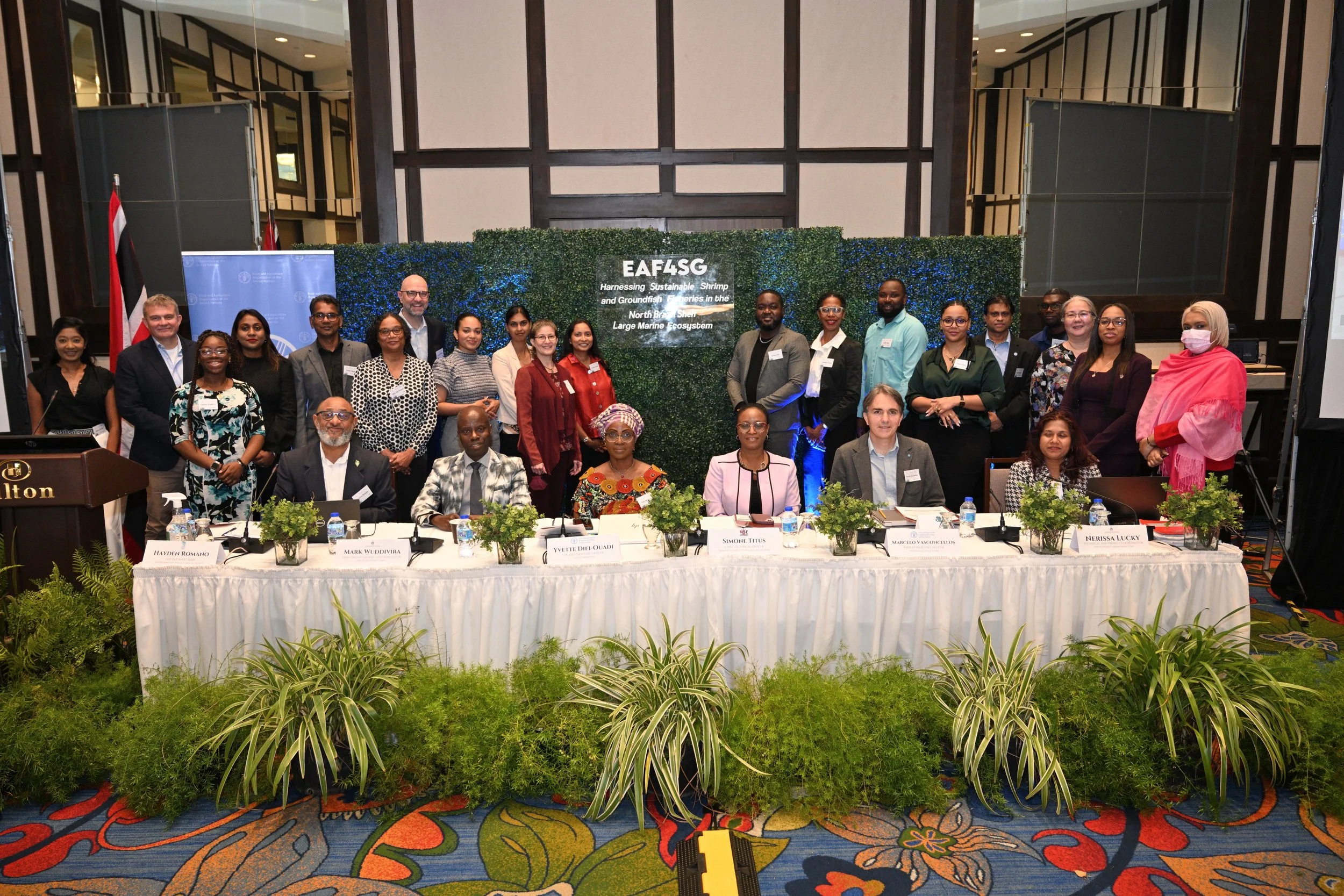
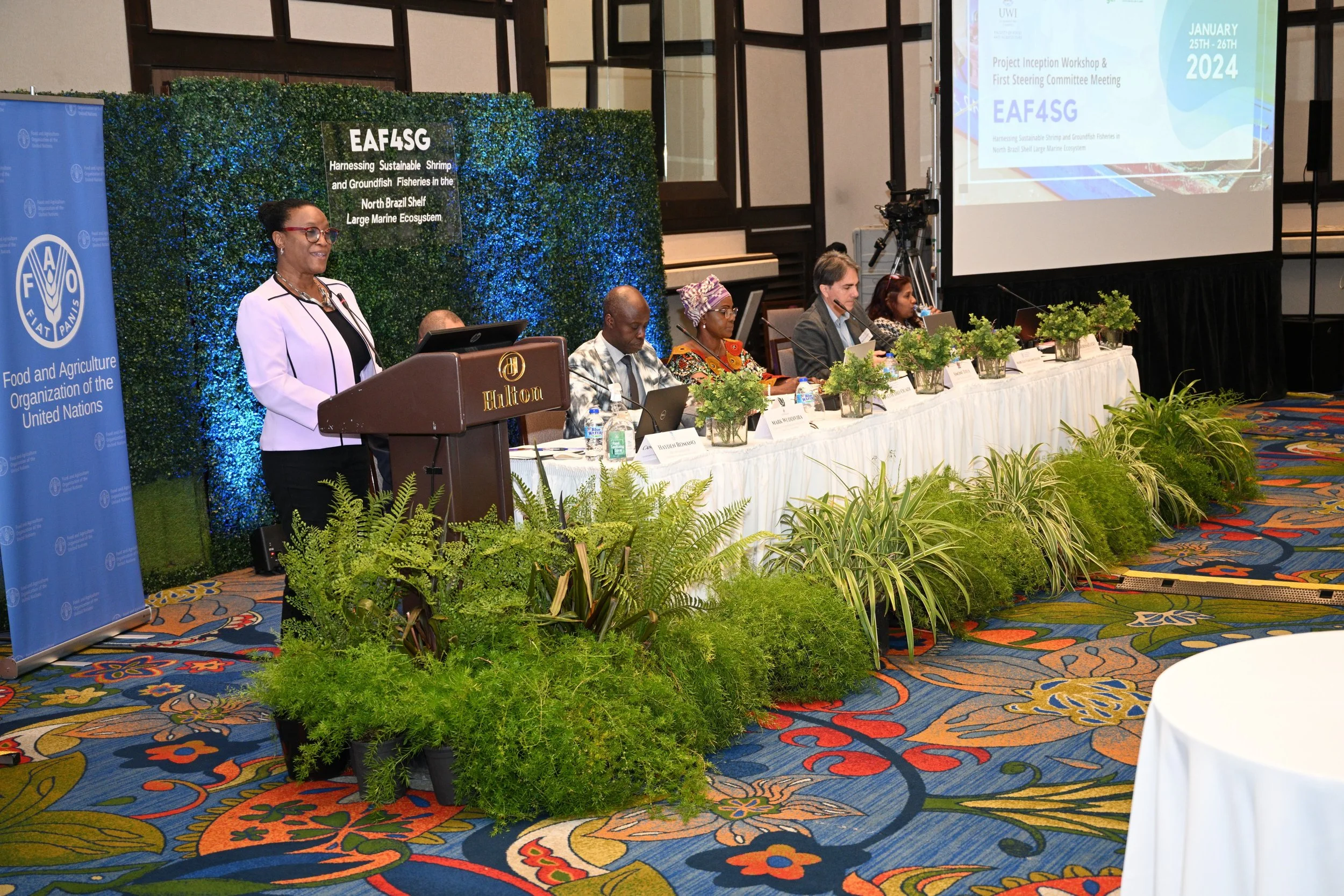
Participants at the EAFSG Project Inception Workshop and first meeting of the Project Steering Committee (PSC) held from January 24-25, 2024, in Port-of- Spain, Trinidad and Tobago.

GEF | IW:LEARN Project 10919
US$1.78 million in funding
Why fisheries need the ecosystem approach
Fisheries do not operate in isolation. Fish stocks are connected to habitats, other marine species, fishing practices, markets, institutions and the communities that depend on them. Decisions focused on only one part of this system can overlook pressures and consequences elsewhere.
The Ecosystem Approach to Fisheries provides a broader way to plan and manage fisheries. It brings ecological, social and economic considerations into the same decision-making process, helping countries protect marine ecosystems while supporting livelihoods, food security and long-term economic activity.
For the shared shrimp and groundfish resources of the North Brazil Shelf, this wider perspective is especially important. Fish stocks and environmental pressures extend across national boundaries, making coordinated management essential.
From Principle to Practice
While the case for EAF is strong, adopting it at the governmental level can be complex. It requires institutions to work across sectors and borders, involve stakeholders meaningfully, share and use information effectively, and align policy, legislation, planning and implementation.
Progress can be slowed by fragmented responsibilities, limited institutional capacity, gaps in data and differences in national priorities or regulatory systems. Even where there is agreement on what should change, governments and fisheries authorities still need the legal frameworks, resources, coordination mechanisms and political support required to act.
EAF4SG works to build the practical foundations needed to move EAF from an agreed principle into fisheries management. This includes strengthening the information used in decision-making, creating clearer processes for stakeholder participation, supporting the development and implementation of management plans, improving relevant legal and regulatory frameworks, and helping countries coordinate their approaches to shared shrimp and groundfish resources.