
Strategies Technologies and Solutions to Manage Bycatch in Tropical Large Marine Ecosystem Fisheries
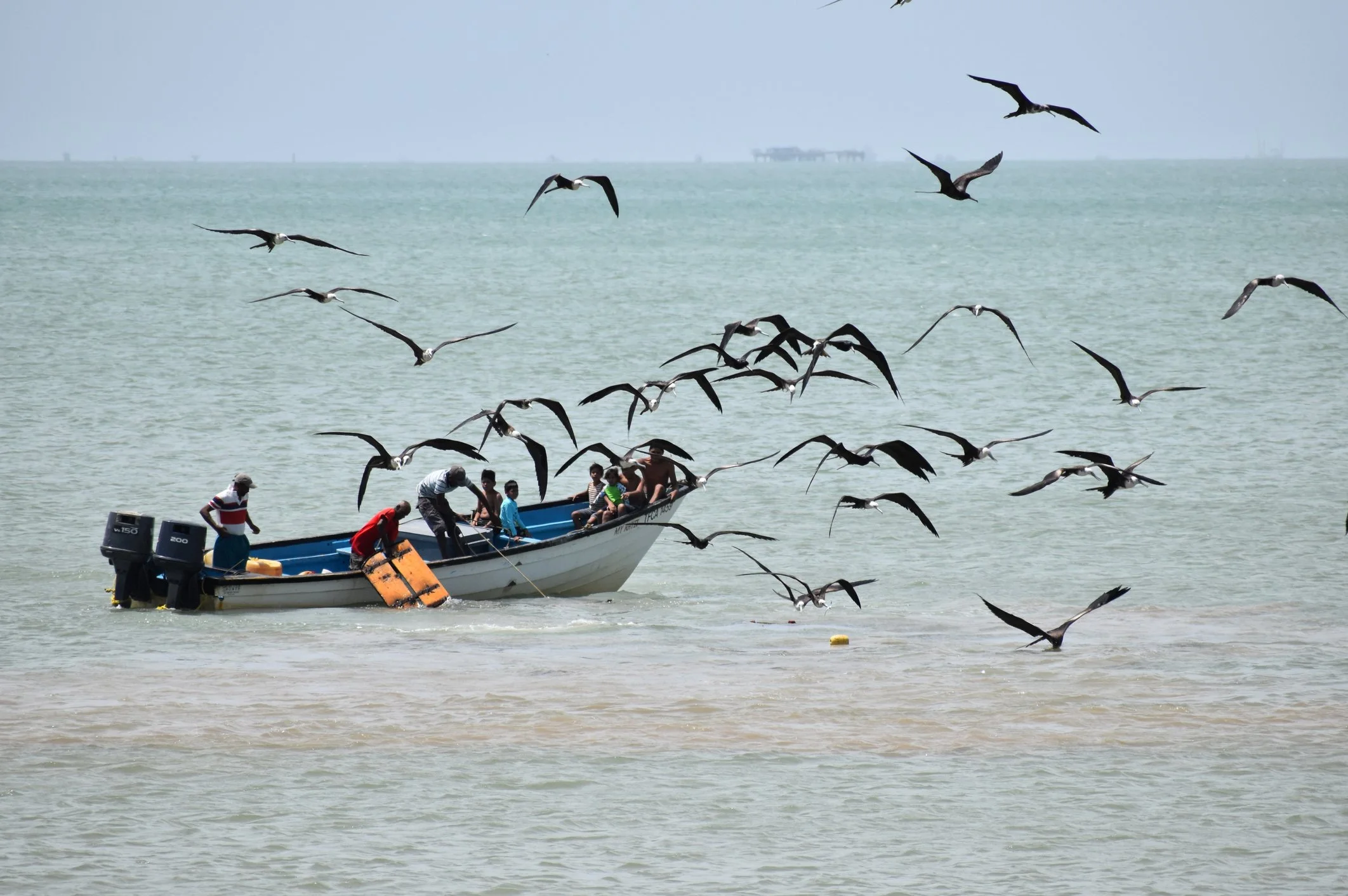
REBYC-III CLME+ is working to reduce bycatch, limit discards and address the harms caused by Abandoned, Lost and otherwise Discarded Fishing Gear in the Caribbean and North Brazil Shelf Large Marine Ecosystems. Through practical strategies, technologies and social solutions, the project supports safer and more responsible fishing practices that help protect Endangered, Threatened and Protected (ETP) species, conserve marine biodiversity, and support more sustainable fisheries in Barbados, Guyana, Suriname and Trinidad and Tobago.
Made possible through regional and international collaboration.
REBYC-III CLME+ is a four-year project supported by US$5.33 million in financing from the Global Environment Facility, implemented by the Food and Agriculture Organization of the United Nations, and executed by The University of the West Indies, Faculty of Food and Agriculture.
Fisheries authorities in Barbados, Guyana, Suriname and Trinidad and Tobago serve as national executing partners, working alongside fisherfolk organisations, fishing communities and other fisheries stakeholders.
At the regional level, collaboration with bodies including the Western Central Atlantic Fishery Commission and the Caribbean Regional Fisheries Mechanism supports greater cooperation and the development of more consistent approaches to bycatch, discards and fishing-gear management.
-
The project tests and promotes practical fishing approaches and technologies that reduce bycatch, limit discards, protect ETP species and lessen the impacts of fishing gear on marine habitats.
-
The project supports stronger policies, laws, management systems, monitoring and enforcement for addressing bycatch, discards and abandoned, lost or otherwise discarded fishing gear.
-
The project develops incentives, strategies and opportunities that make more responsible fishing practices practical, beneficial and easier for fishers and other stakeholders to adopt.
-
The project turns experience and evidence into accessible knowledge, strengthens stakeholder understanding, and uses ongoing learning and gender-responsive approaches to improve implementation.
Participants at the REBYC-III CLME+ Project Inception Workshop and first meeting of the Project Steering Committee (PSC) held from January 22-23, 2024, in Port-of- Spain, Trinidad and Tobago.

GEF | IW:LEARN Project 10857
US$5.33 million in funding
Understanding the challenges shaping sustainable fisheries management
Bycatch, discards, abandoned or lost fishing gear, and impacts on vulnerable marine species are closely connected challenges. Together, they can place pressure on marine biodiversity, waste valuable fisheries resources, create safety and economic concerns, and make fisheries more difficult to manage.
-
The unintended capture of fish and other marine animals while fishing for a target species. It may include non-target fish, juvenile fish, marine turtles, marine mammals, sharks and rays, and may be retained, released or discarded.
-
Discards are the parts of a catch that are returned to the sea, whether alive or dead. They may include target or non-target species that are not kept for economic, legal or practical reasons.
-
Abandoned, Lost or Otherwise Discarded Fishing Gear, or ALDFG, is fishing gear that has been abandoned, accidentally lost or deliberately discarded and is no longer under the control of its owner or operator. It can continue catching marine animals through ghost fishing, damage marine habitats and create hazards for fishing operations and navigation.
-
Endangered, Threatened and Protected, or ETP, species are animals recognised as being endangered, threatened or otherwise requiring protection within fisheries management and conservation efforts. In the project region, they may include marine turtles, marine mammals, sharks and rays that can be injured or killed through interactions with fishing gear.
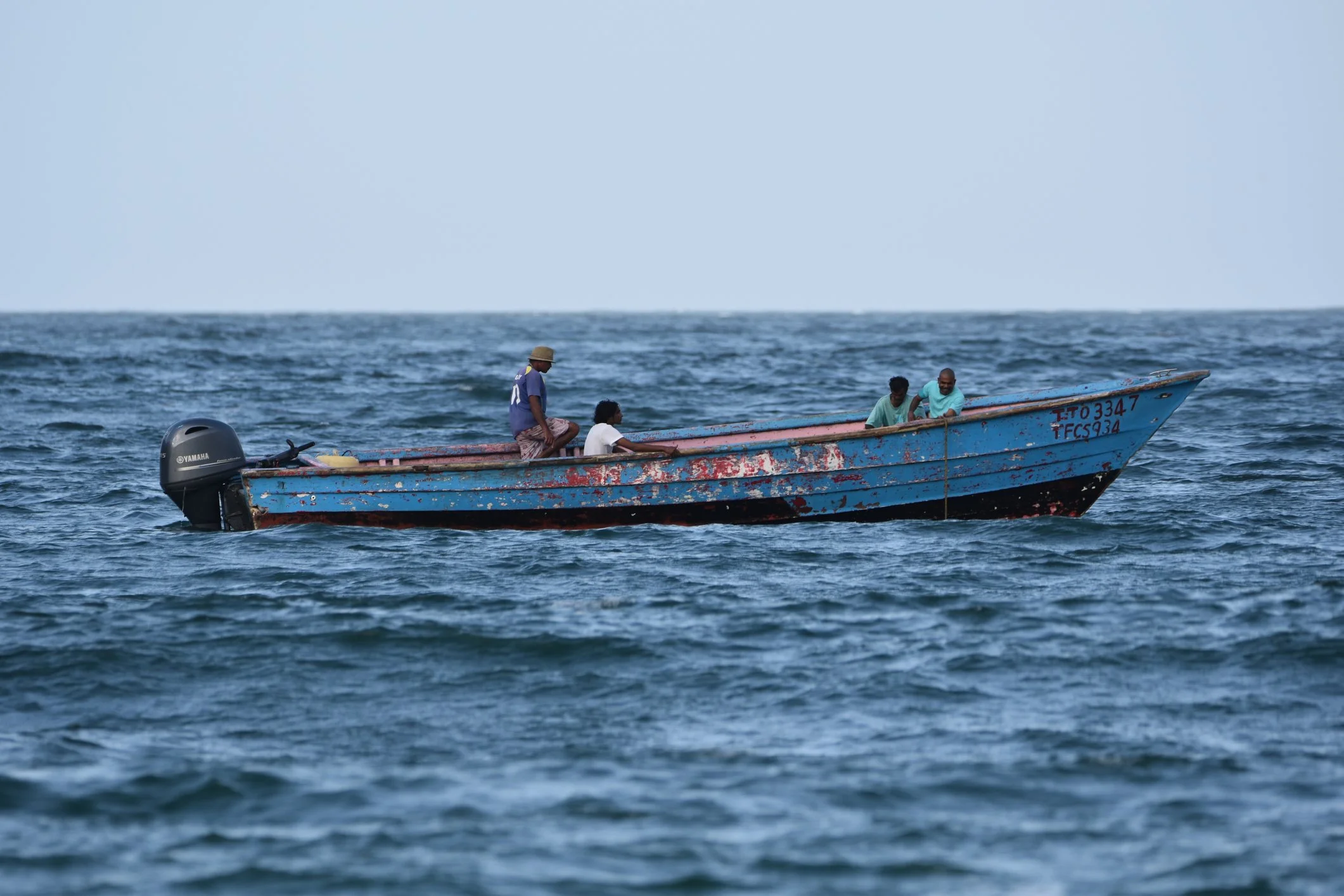
REBYC-III CLME+ Highlights
Across the region, REBYC-III CLME+ is moving from research and planning into practical action. The project is testing more selective fishing technologies, strengthening data and management systems, engaging fishing communities, and creating opportunities for countries to share experience and develop solutions together. These highlights reflect the progress being made as new ideas are tested, lessons are captured and regional collaboration continues to grow.
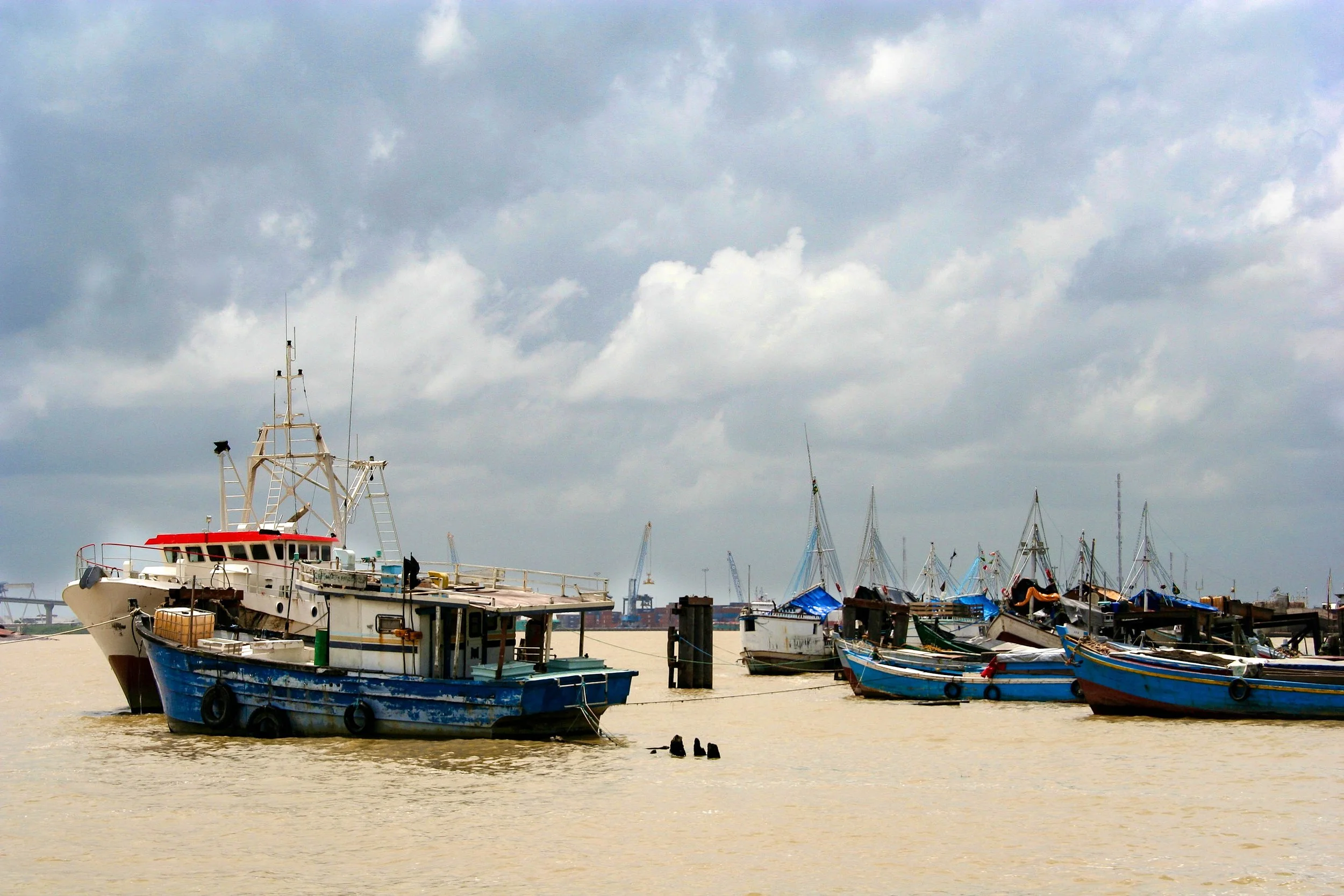
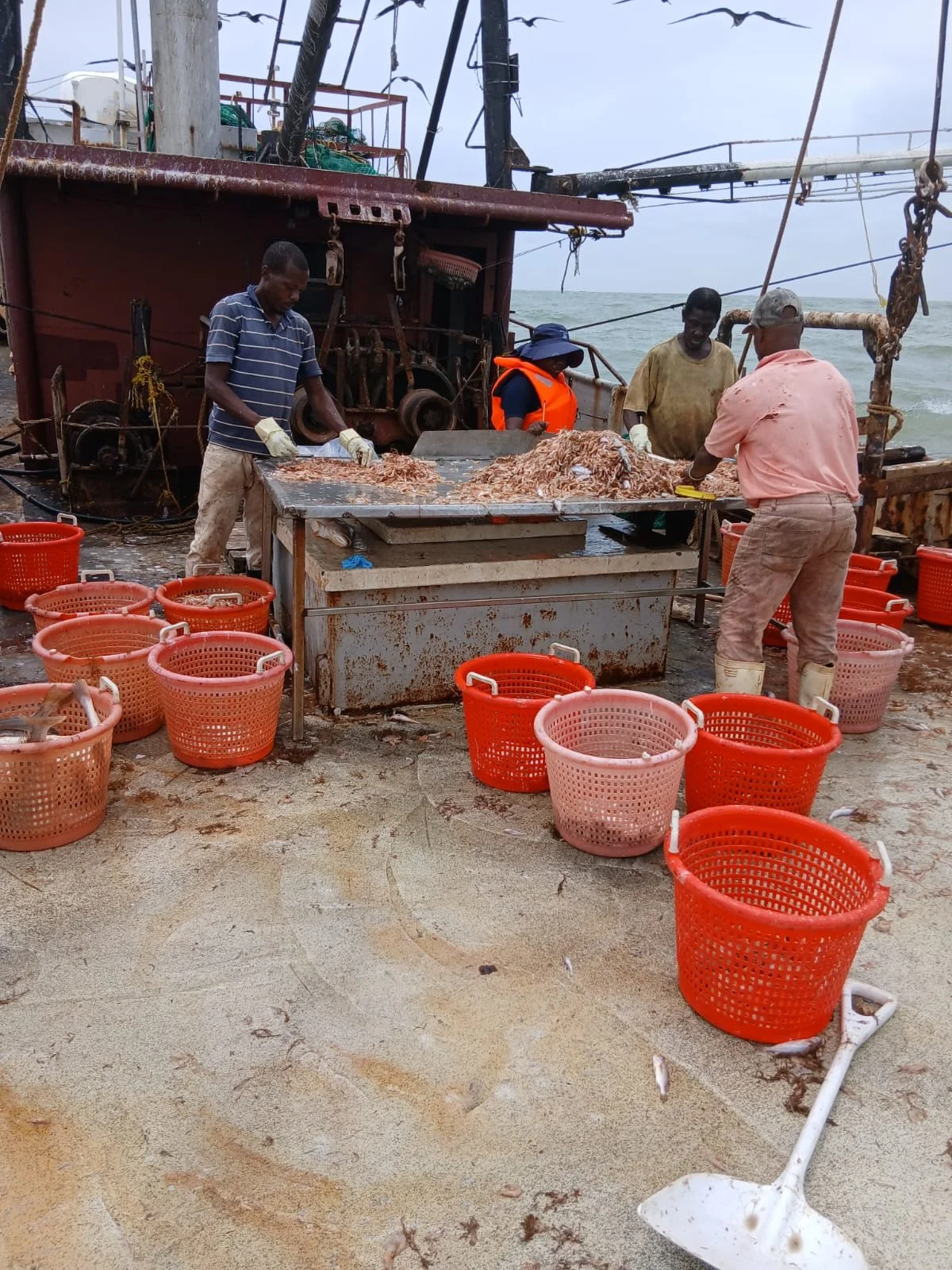
REBYC-III CLME+ brings fisheries authorities, technical experts, fishing communities and regional partners together to strengthen skills, exchange knowledge and develop practical responses to shared fisheries challenges. Through workshops, consultations and hands-on training, participants are building the capacity needed to test new approaches, improve fisheries management and apply project learning within their own countries and communities.
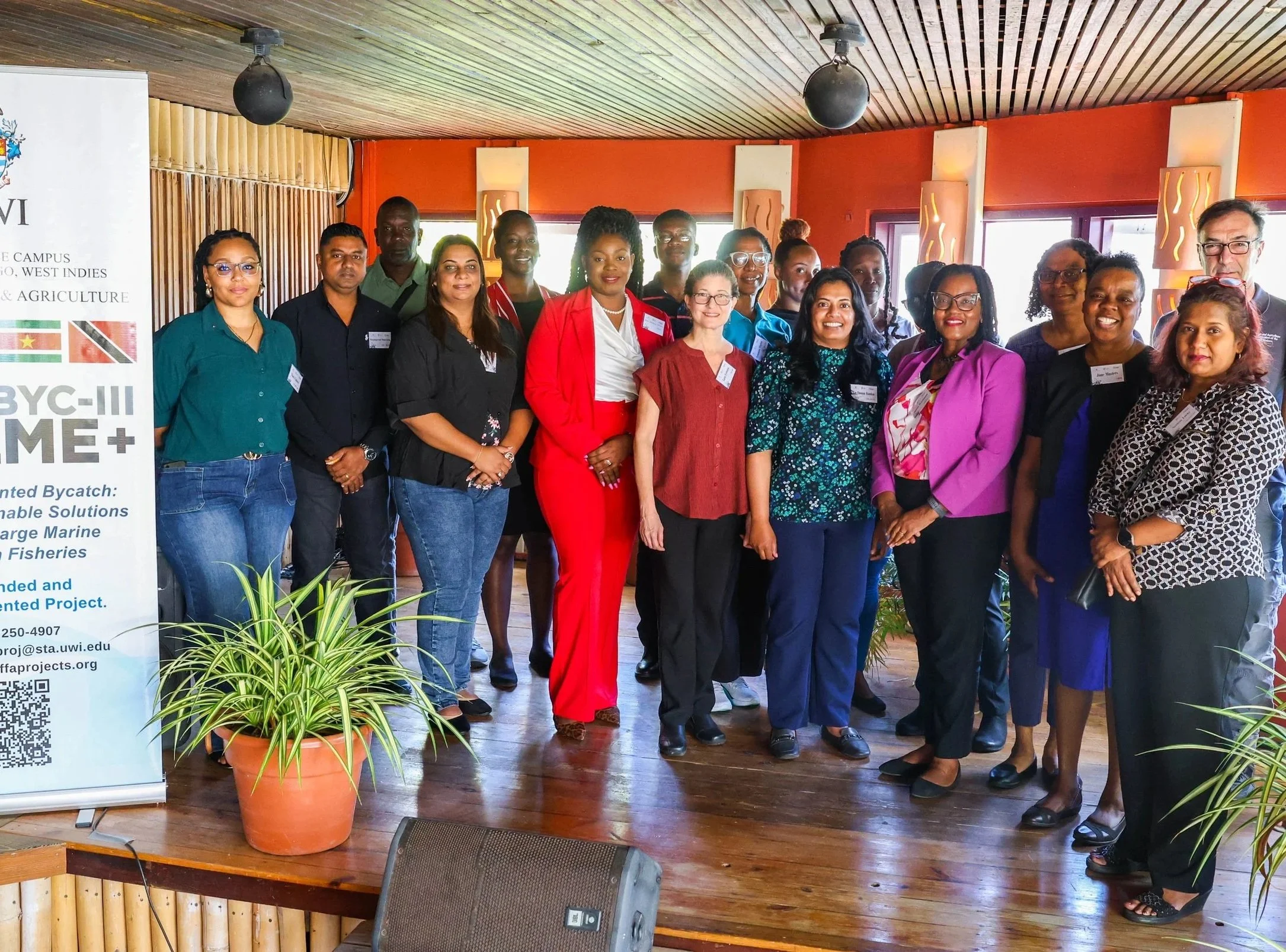
The Subregional Workshop on ALDFG and Gear Marking
Representatives from across the region gathered to explore practical approaches to preventing and managing abandoned, lost or otherwise discarded fishing gear, with a focus on gear marking, traceability and pilot implementation.
Sharing Caribbean lessons at IWC10: 10th GEF Biennial International Waters Conference
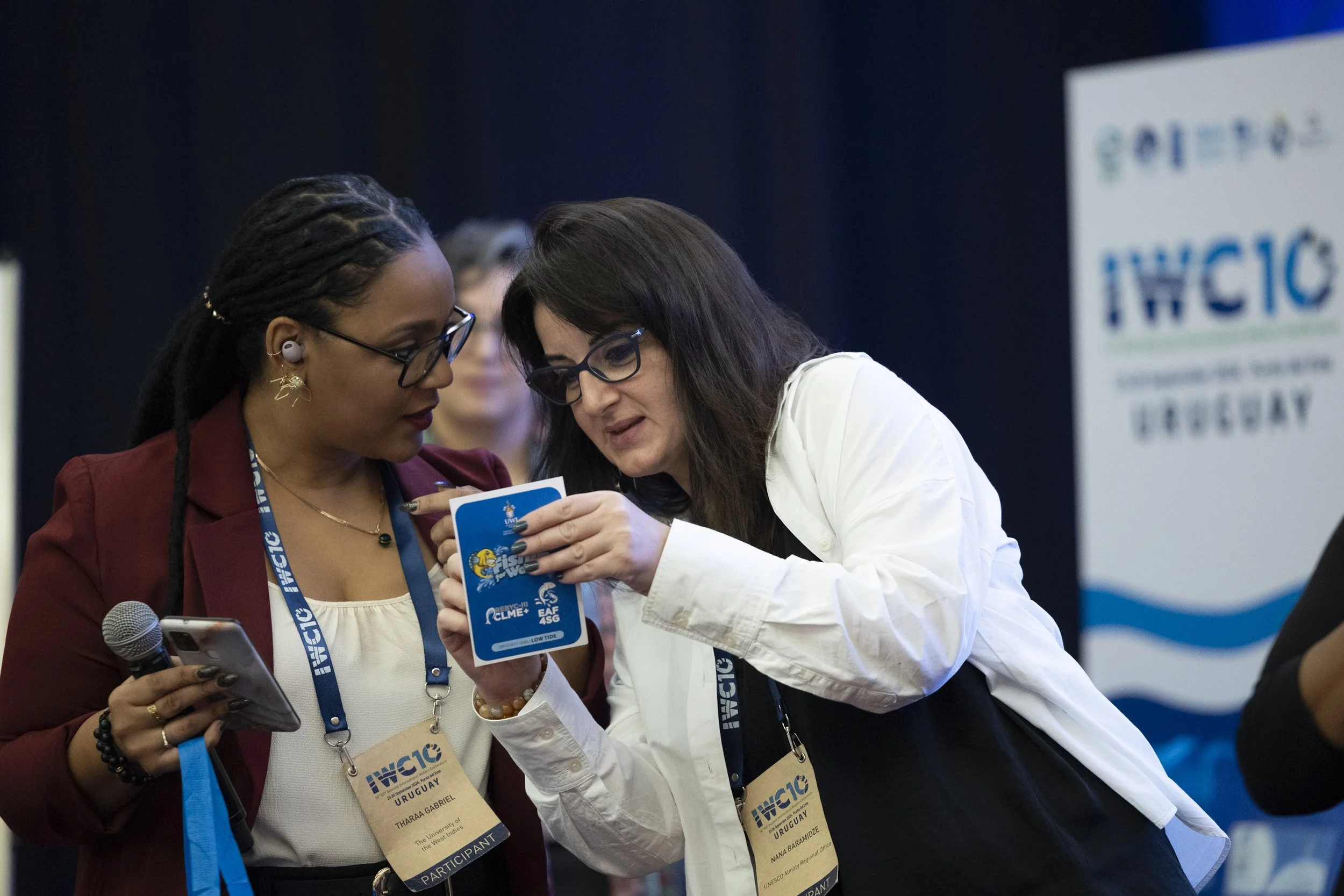
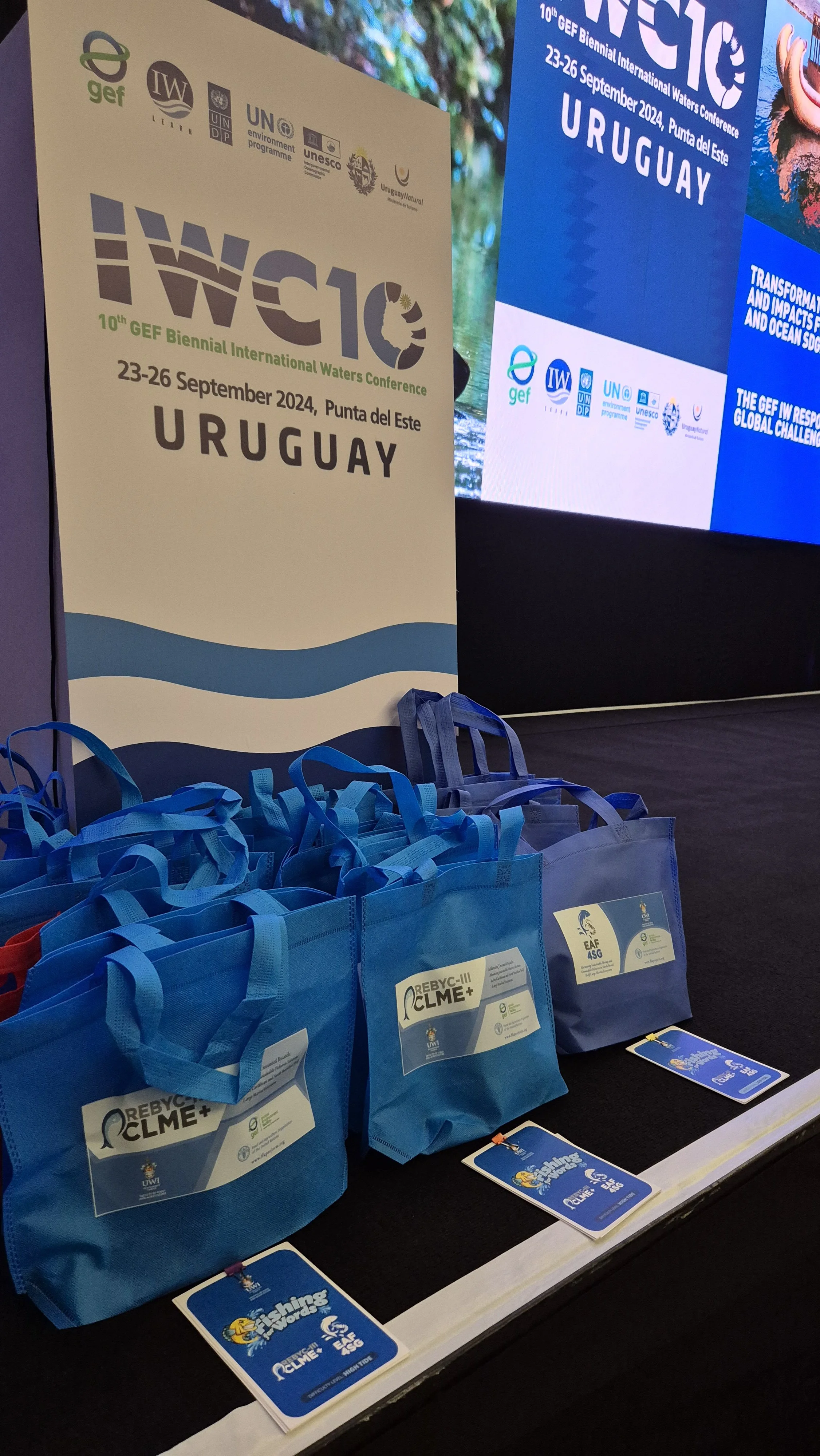
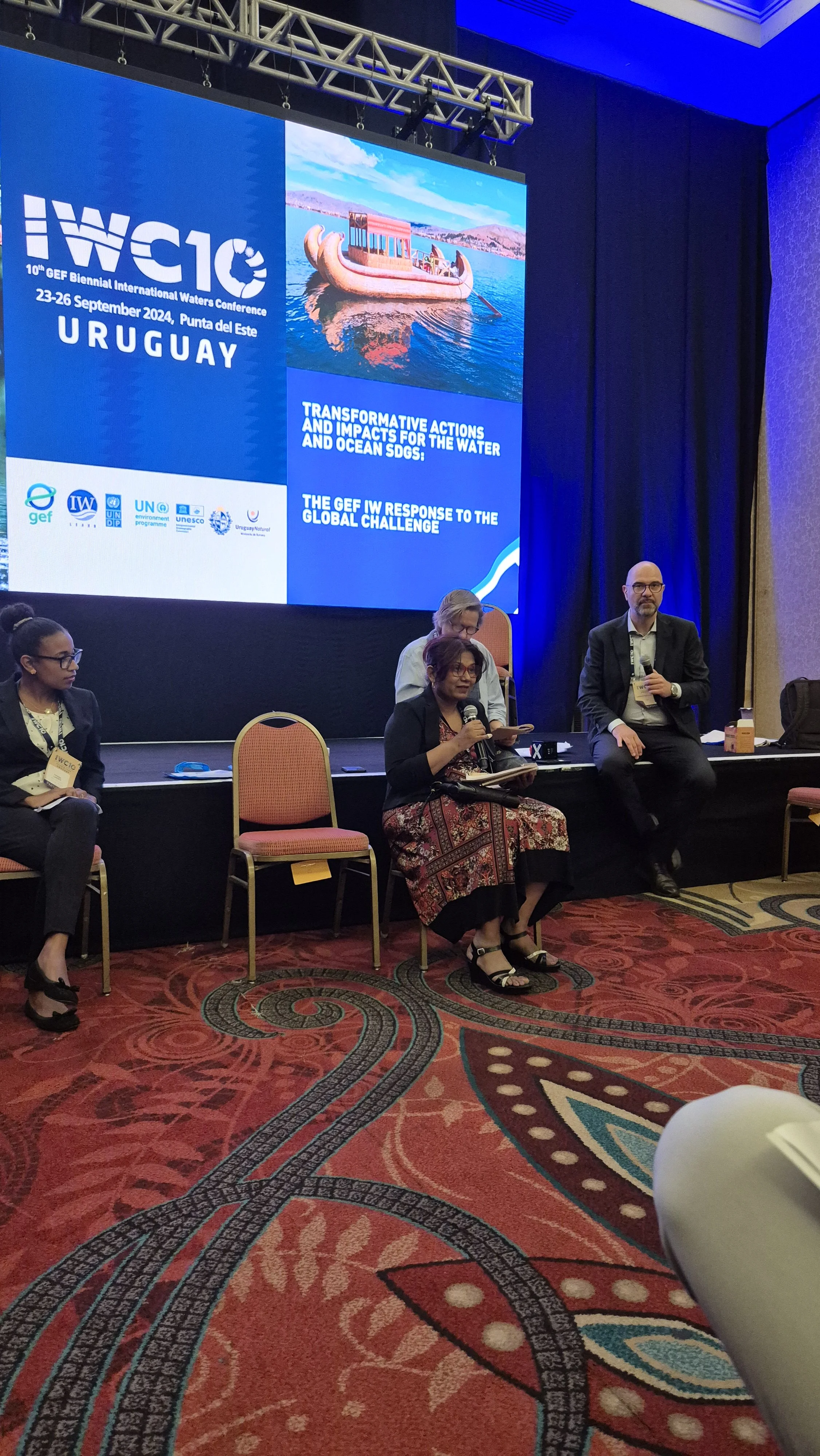
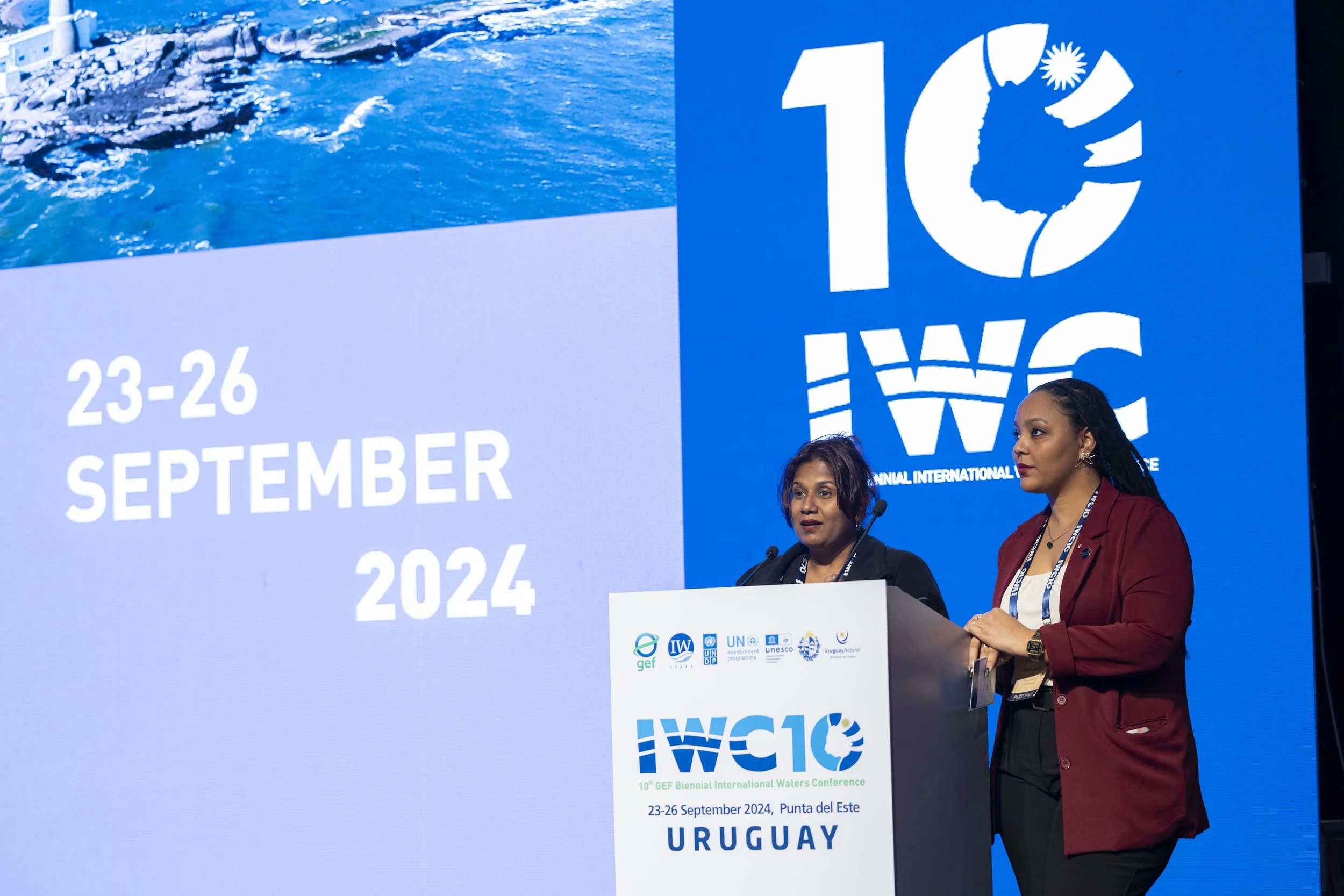
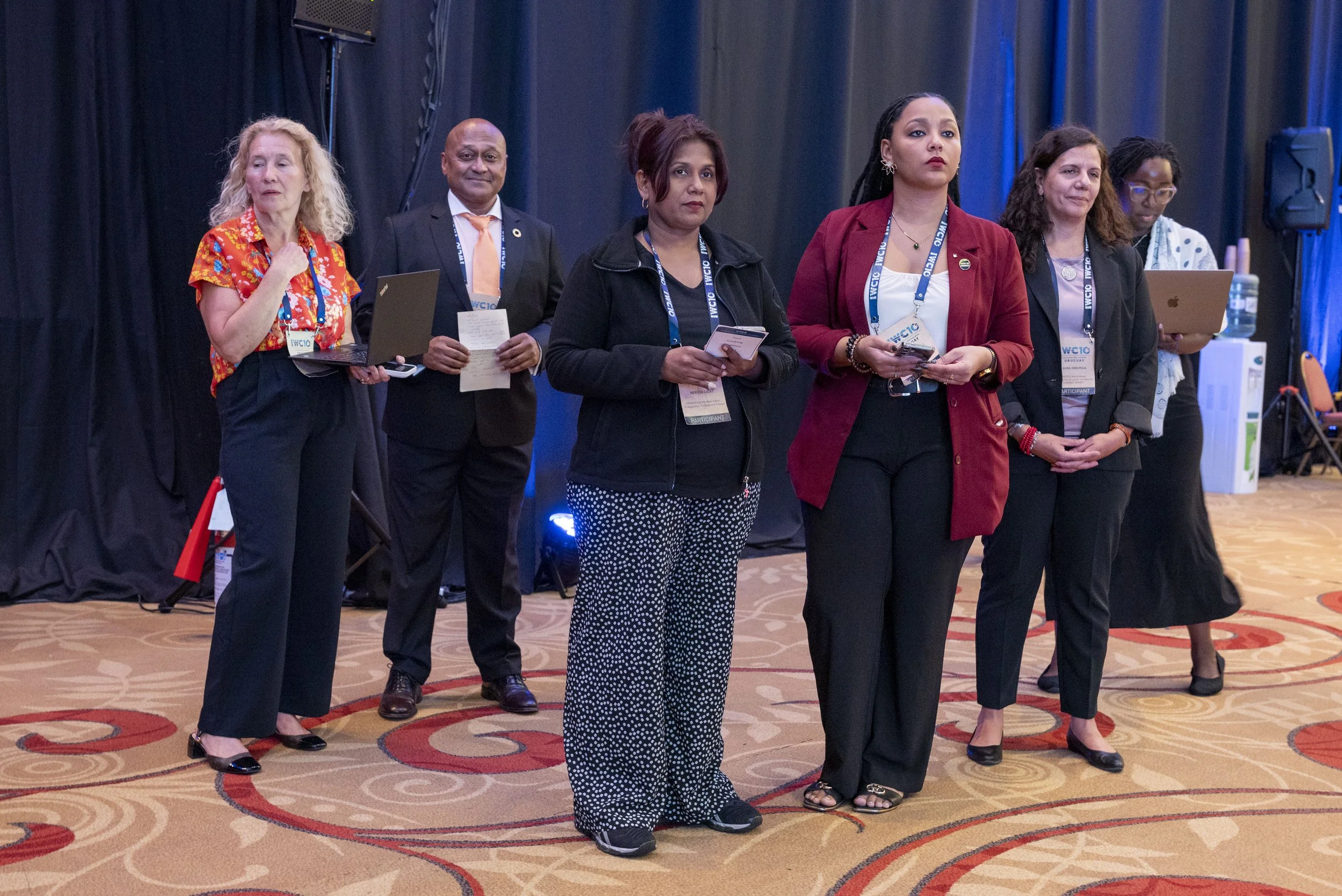
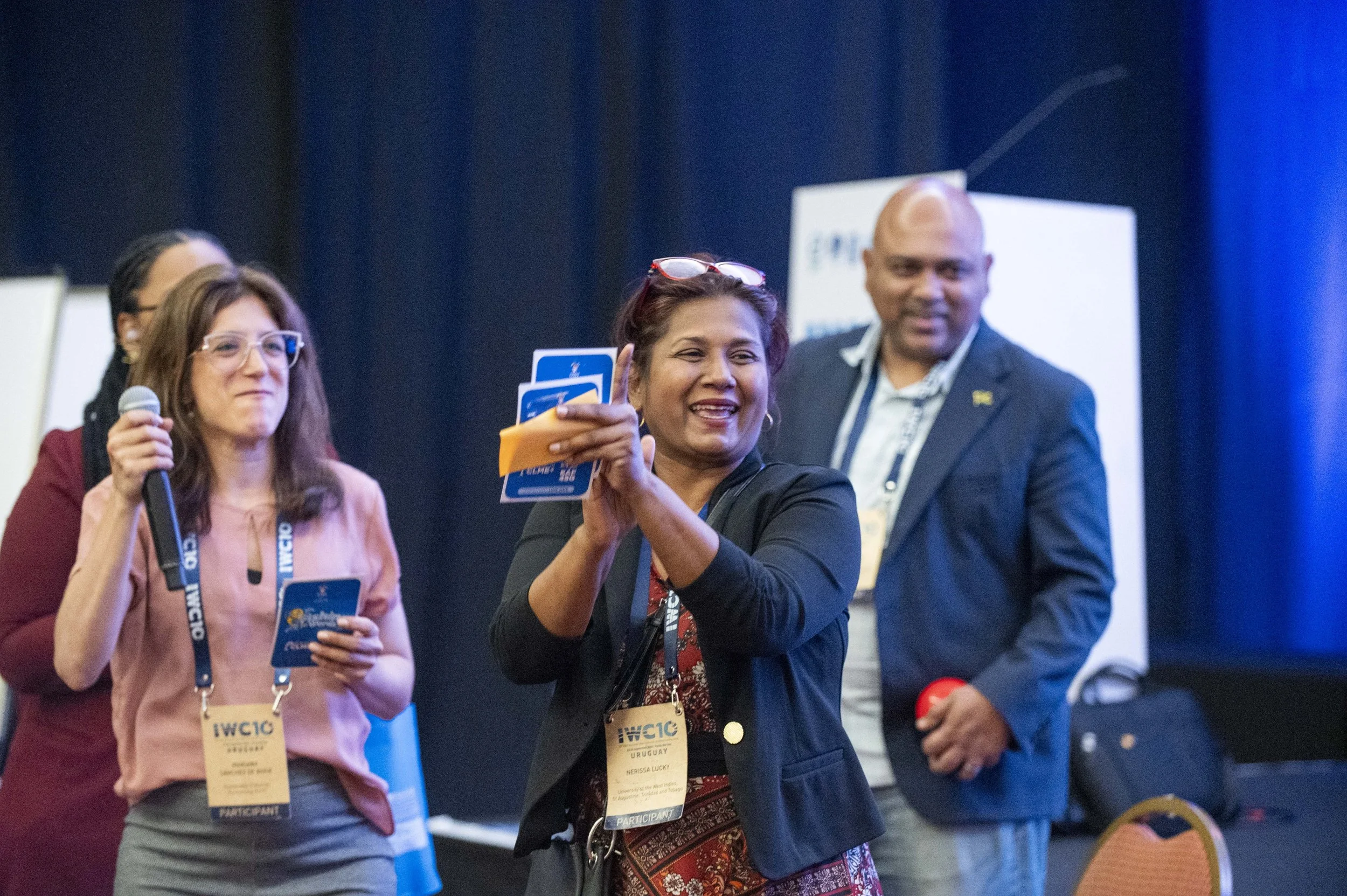
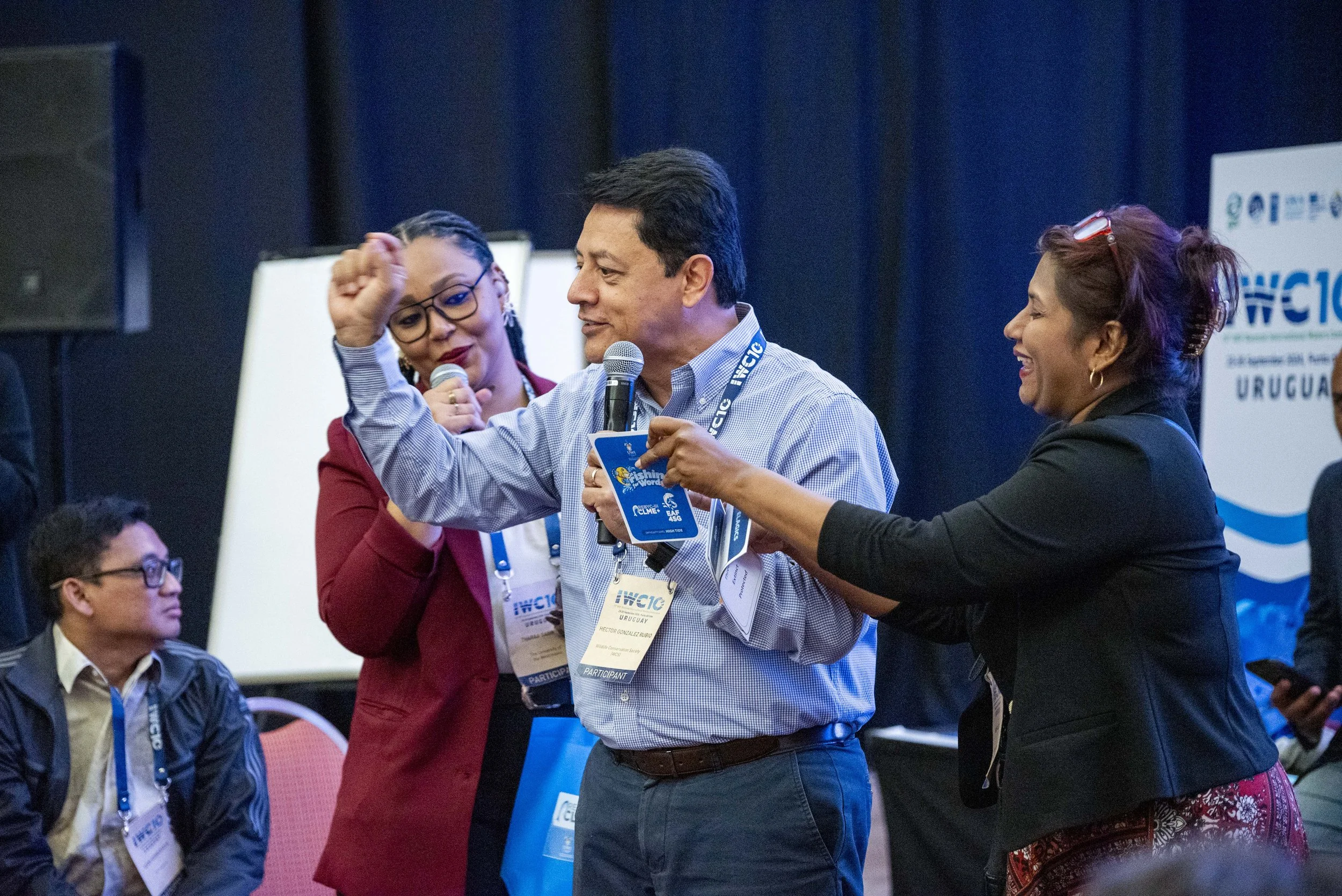
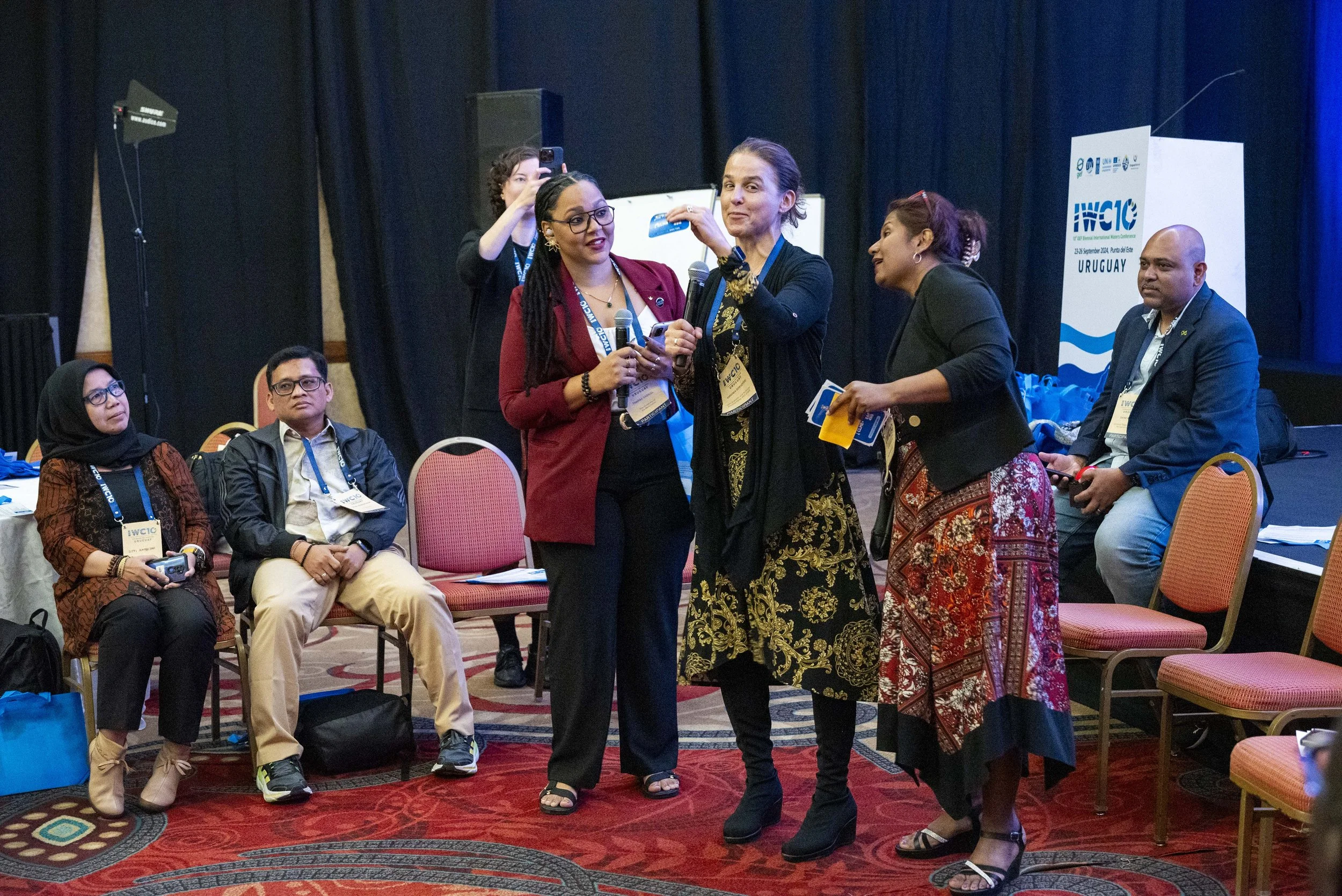
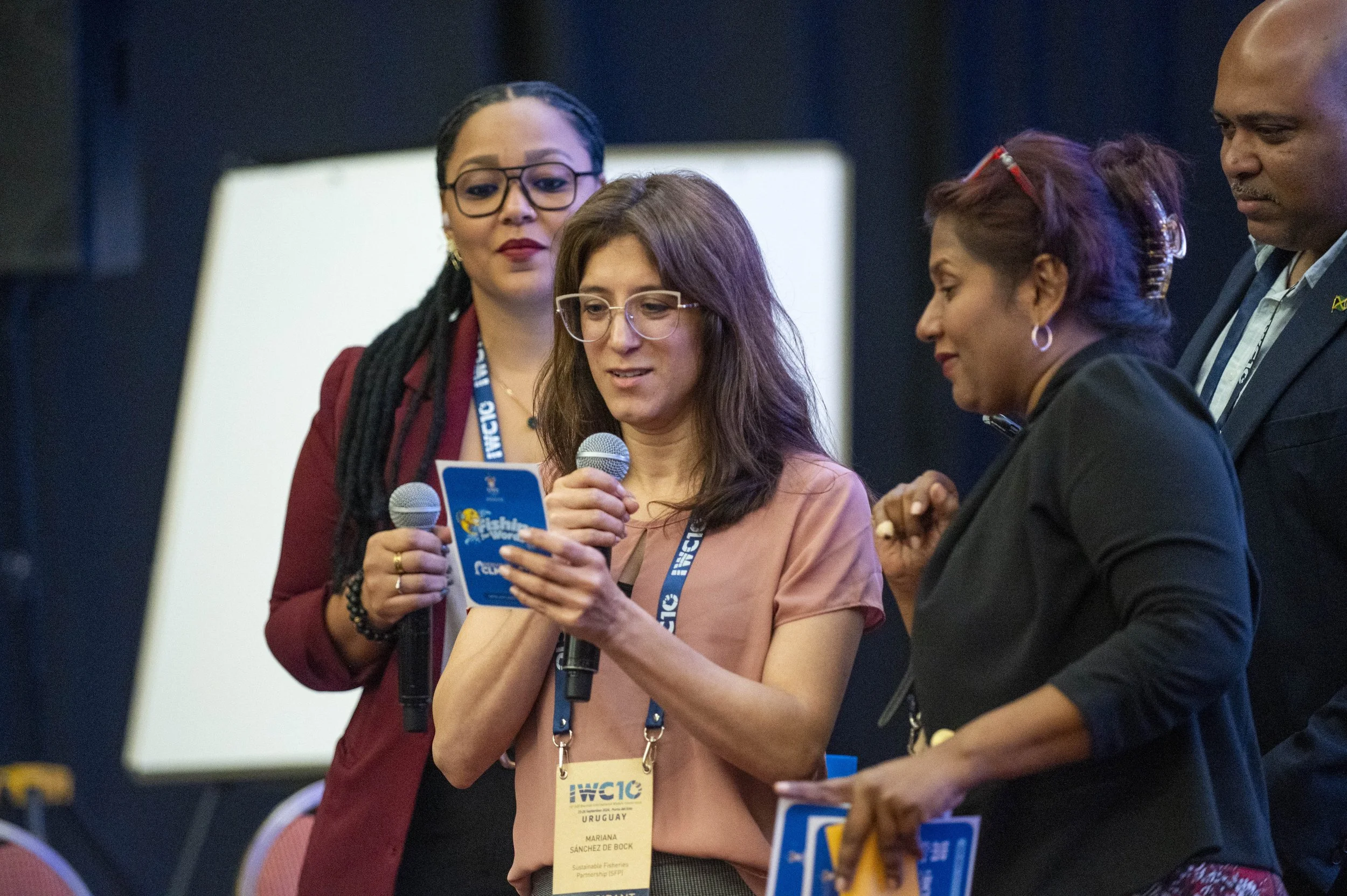
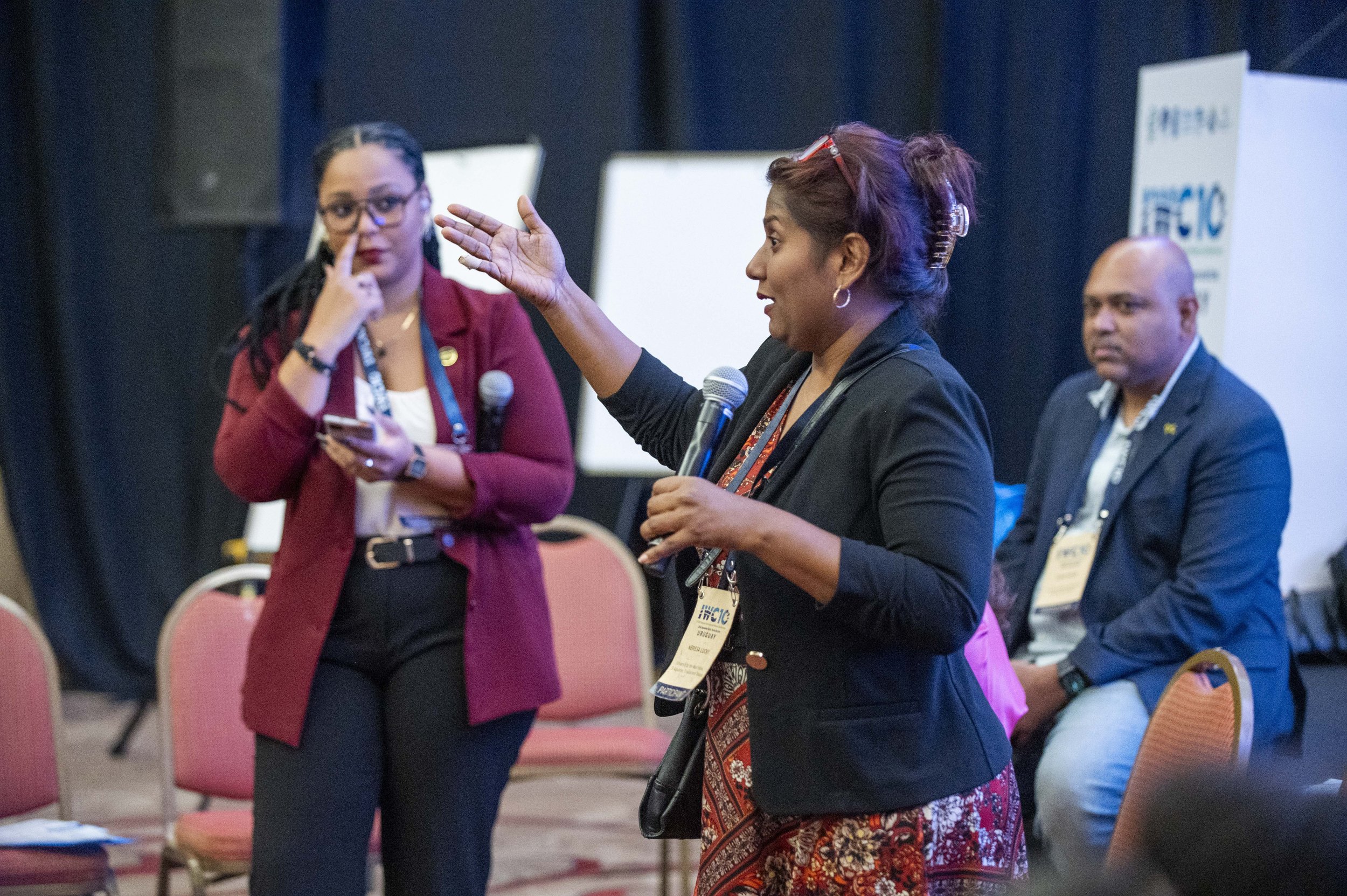
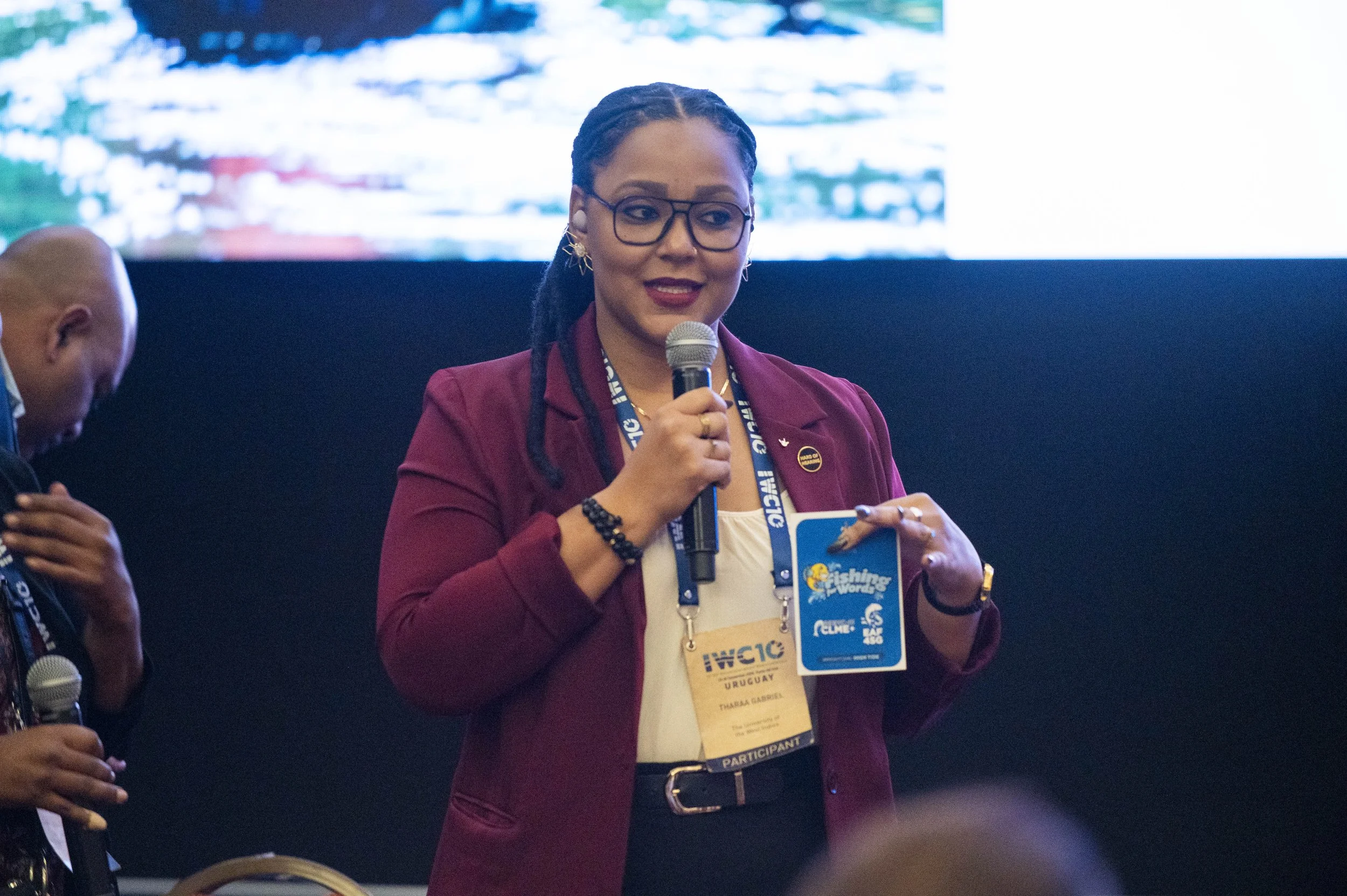
In September 2024, team members representing REBYC-III CLME+ joined the 10th GEF Biennial International Waters Conference in Punta del Este, Uruguay. Organised by GEF IW:LEARN, IWC10 brought together nearly 400 participants representing more than 90 active International Waters projects from 72 countries to exchange experience, explore practical solutions and strengthen learning across the global portfolio.
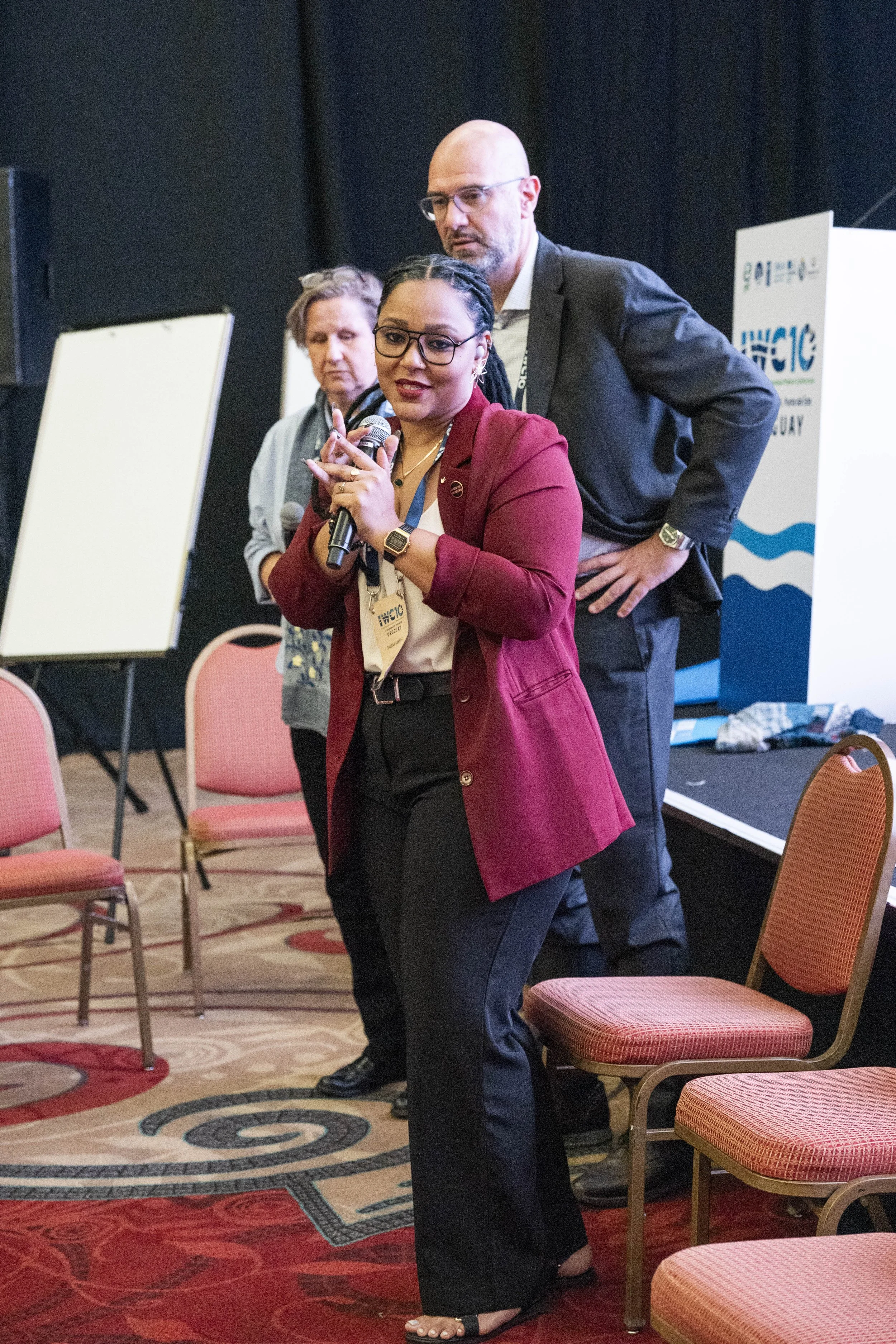
The team contributed to discussions on both inclusive communication and sustainable fisheries management. During the clinic “How to Improve Communication and Outreach Using Contemporary Means and Tools,” Thara Gabriel, Administration and Operations Support Officer, presented practical ways to make project communication more accessible. These included the use of captions, transcripts and sign-language interpretation, alongside thoughtful choices in colour, typography and content formats to help people with hearing or visual impairments engage more fully.
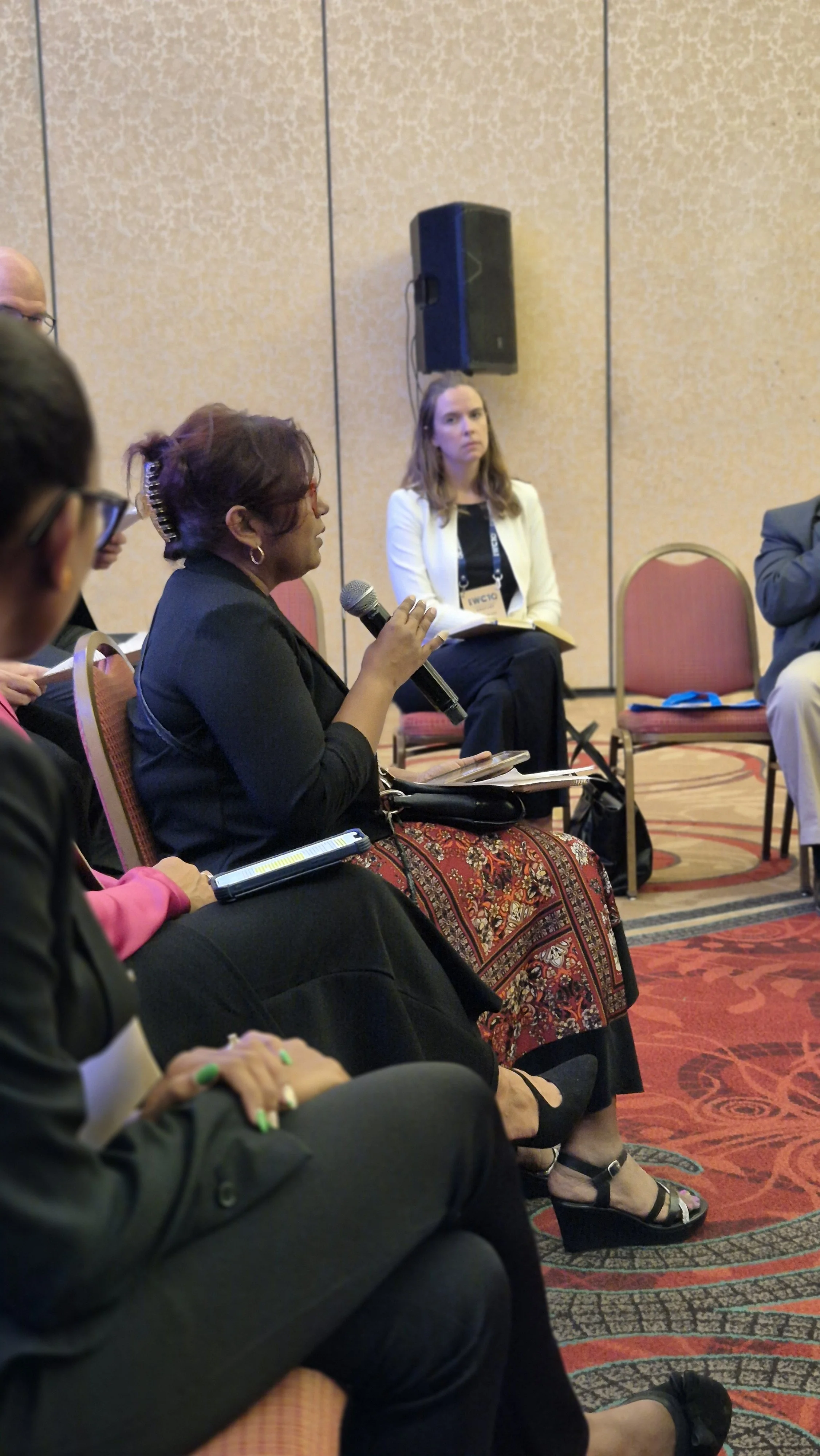
REBYC-III CLME+ was also represented in an interactive session on integrating ecosystem approaches into fisheries and aquaculture management. Hosted by FAO and the World Bank, the session explored regional cooperation, climate resilience and the importance of community co-management in sustaining fisheries and livelihoods. This provided an opportunity to share REBYC-III CLME+ work on reducing bycatch, improving fishing selectivity, addressing abandoned, lost or otherwise discarded fishing gear, and testing green LED lights in gillnets to reduce leatherback sea turtle interactions in Trinidad and Tobago.