
Comparative Performance of Hook Types in the Barbados Pelagic Longline Pilot Trials
Hook geometry as a determinant of pelagic longline performance: evidence from Barbados
A two-cruise pelagic longline pilot trial off Barbados evaluated catch-per-unit-effort (CPUE) performance and haul-back condition outcomes across three hook configurations — C16 circle hooks, C18 circle hooks, and conventional J hooks — under a within-haul paired design. C16 consistently outperformed both alternatives on target CPUE and live-at-haul-back proportion, providing the first quantitative hook-type evidence base for the eastern Caribbean pelagic longline sector.
Pelagic longline gear: operational structure and the role of hook design
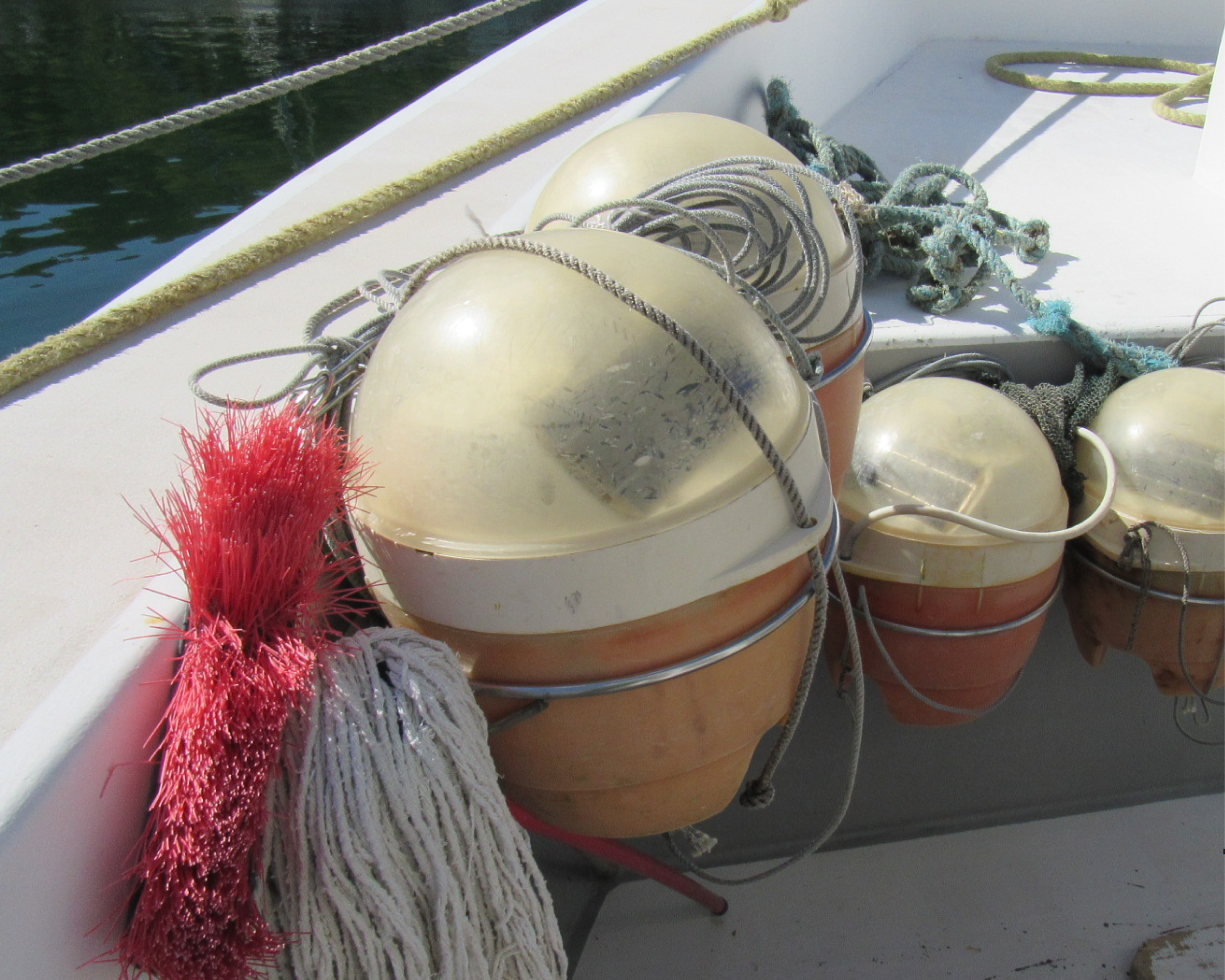
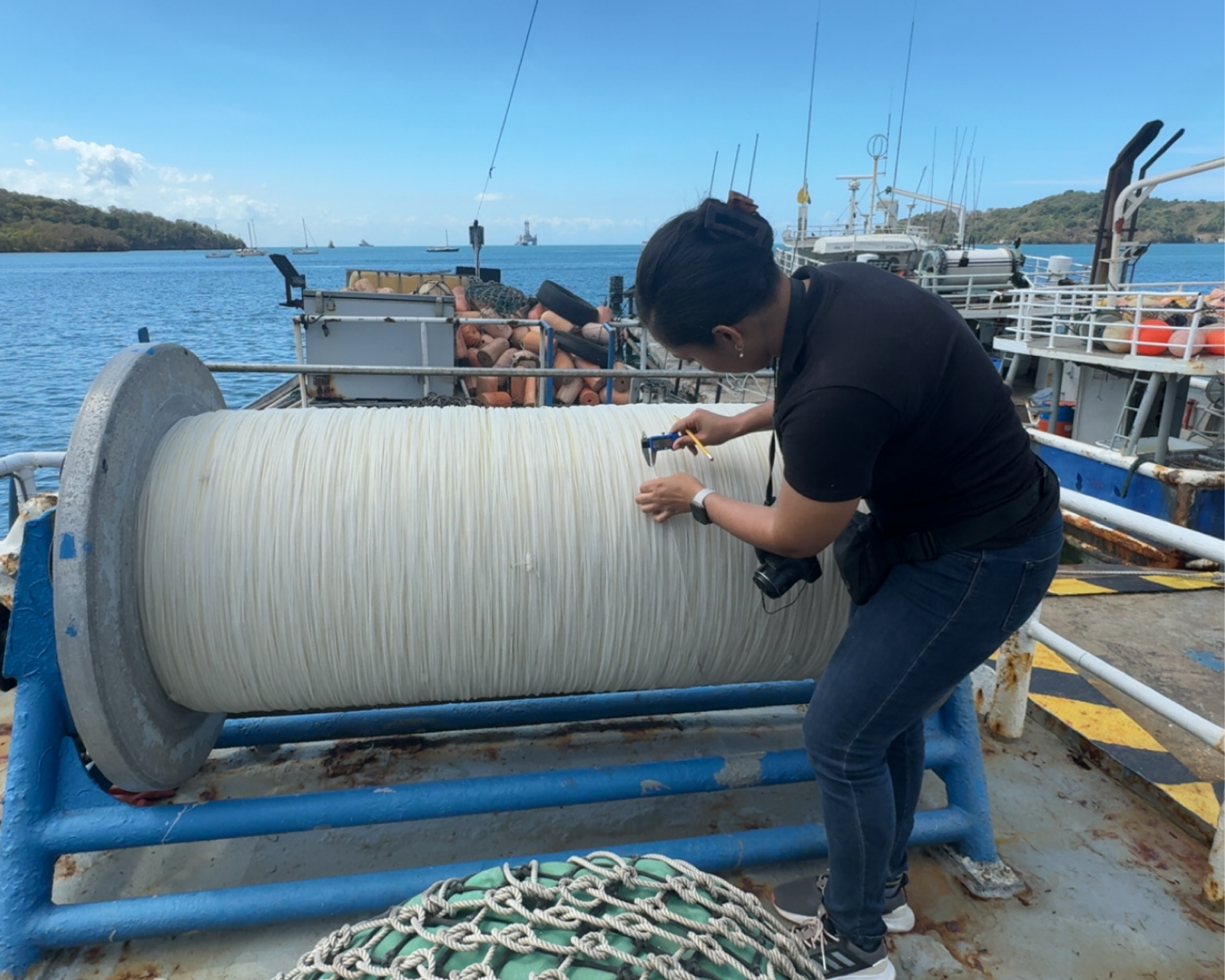
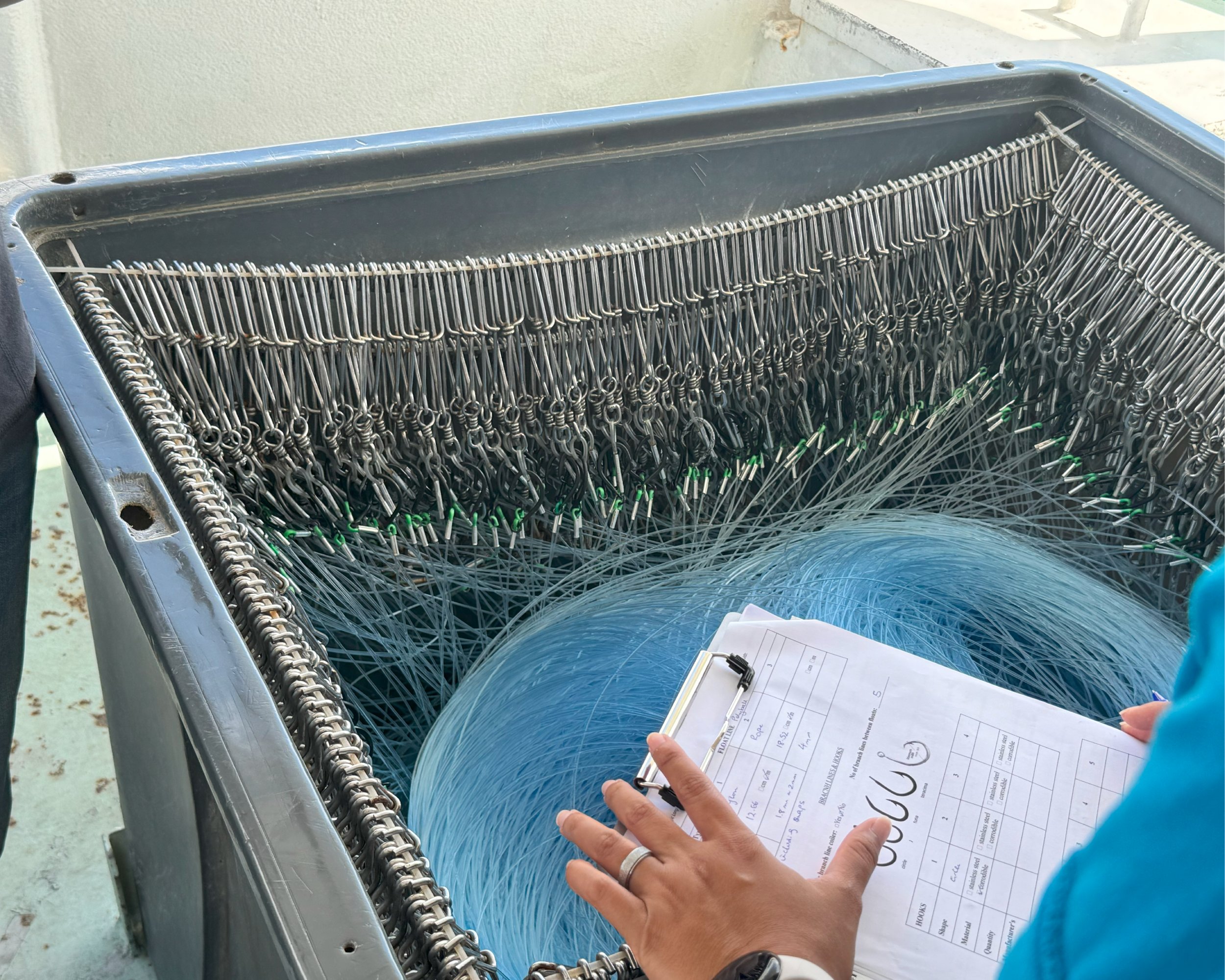
Pelagic longlines consist of a primary mainline suspended horizontally in the water column via surface floats, from which gangions descend at regular intervals to baited terminal hooks. Operational deployments in the eastern Caribbean typically range from 50 to 400 m depth. Gear is set at dusk and retrieved the following morning, with soak times spanning overnight periods of peak pelagic activity.
The Barbados fleet targets primarily yellowfin and blackfin tuna and other scombrids across the eastern Caribbean and adjacent Atlantic, with billfishes, swordfish, and sharks taken as bycatch. As a small-scale artisanal sector operating on narrow commercial margins, target CPUE maintenance is a prerequisite for any gear modification to be operationally viable.
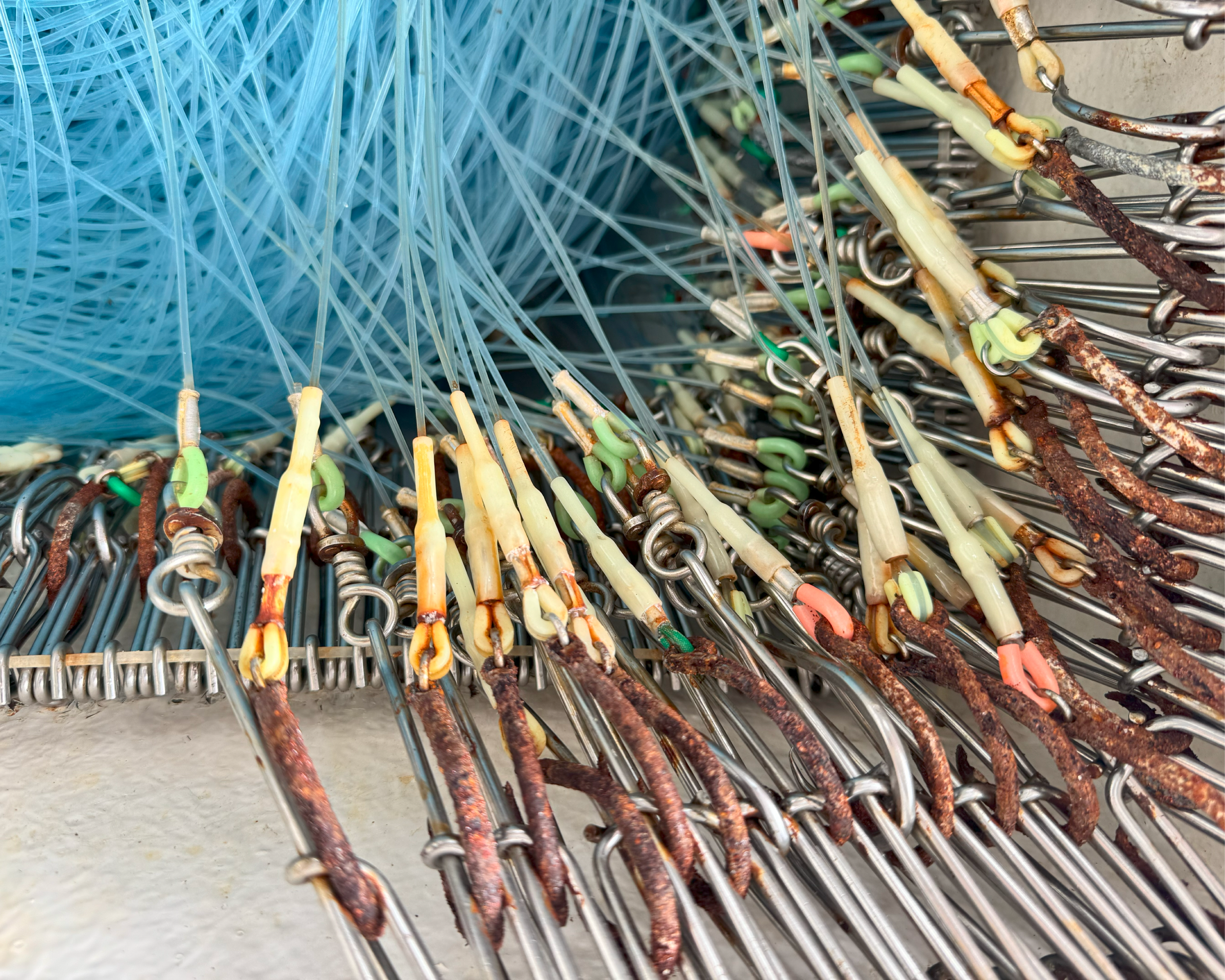
Hook morphology — encompassing wire gauge, gap width, point angle, shank length, and overall curvature — determines selectivity through several interacting mechanisms. Hooking site is among the most consequential: the inward-recurved point of circle hooks preferentially engages the jaw commissure, whereas J hooks exhibit higher rates of throat and gastric hooking. Hooking site correlates directly with injury severity, physiological stress during soak, live proportion at haul-back, and post-release survival probability. It also influences product condition — individuals that die on the line prior to retrieval undergo accelerated autolysis and bacterial spoilage, reducing ex-vessel value relative to live-retrieved catch.
Circle hooks have been evaluated in pelagic longline systems across multiple ocean basins since the 1990s. Results are heterogeneous: substantial bycatch reductions with maintained target CPUE in some Atlantic and Pacific swordfish trials; commercially unacceptable target CPUE reductions in others. Outcome variability reflects interactions among hook size, bait type, target assemblage, fishing depth, and operational practice. The eastern Caribbean had not been assessed prior to this pilot.
Hook geometry as a simultaneous lever on catch efficiency, bycatch mortality, and product value
Hook-type evaluation in commercial pelagic longline fisheries operates across three distinct performance dimensions, each with different implications for adoption and management.
-
The primary commercial constraint. A modification that fails to maintain target catch rates will not achieve voluntary uptake in an artisanal sector and faces significant resistance under regulatory frameworks without compensatory mechanisms. CPUE maintenance is therefore the necessary first criterion — not because conservation outcomes are secondary, but because commercial viability is a prerequisite for implementation.
-
Not adequately captured by encounter rate alone. CPUE measures the number of non-target individuals caught per unit effort; it does not measure post-capture mortality. Hook-type effects on hooking site, injury severity, haul-back condition, and post-release survival operate independently of encounter rate and may produce meaningful mortality reductions even where catch counts are similar. Evaluating bycatch mitigation requires the full capture-to-outcome pathway.
-
Presents a convergence of commercial and conservation incentives. Live proportion at haul-back is simultaneously a conservation proxy for released individuals and a product condition indicator for retained catch. Hook types that increase jaw-hooking rates reduce pre-retrieval mortality and the associated post-mortem degradation. Where this effect is detectable in ex-vessel value, it generates a market-based adoption incentive that does not depend on regulatory enforcement.
Key Findings
C16 outperformed J hooks by 114% on total CPUE and by 91% on target CPUE in Cruise 1. In Cruise 2, C16 also outperformed C18 on both total and target CPUE.
C16 circle hooks outperformed J hooks by 114% on total CPUE in Cruise 1 (bootstrap 95% CI: +388.1 to +1,693.1; p = 0.031) and outperformed C18 circle hooks by 55% in Cruise 2 (bootstrap 95% CI: −1,808.8 to −288.4; p = 0.045). Live-at-haul-back proportions were 81.3% for C18 and 70.7% for C16, against 45.5% for J hooks. For tunas and scombrids specifically, J hooks recorded a live proportion of 40% — less than half the C16 figure of 78.6% and a fifth of C18's 100% live retrieval rate for that group.
Cruise 1: C16 vs. J hooks
Seven paired hauls. Mean total CPUE: 1,902.8 (C16) vs. 889.2 (J). Paired difference: +1,013.6 (+114.0%). Bootstrap 95% CI: +388.1 to +1,693.1. Randomisation test: p = 0.031. Mean target CPUE: 1,638.1 (C16) vs. 857.7 (J). Paired difference: +780.4 (+91.0%). Bootstrap 95% CI: +268.0 to +1,311.8. Paired t-test: p = 0.034.
Bycatch CPUE was higher for C16 but not statistically robust — bootstrap 95% CI: −3.8 to +746.9; p = 0.219. Haul-level trajectories confirmed the positive mean was driven by a single high-catch haul, not a directionally consistent pattern across the set.
At the biological group level, the C16 advantage was concentrated in tunas and other scombrids (conditional mean CPUE: 1,626.6 vs. 726.5 for J). Billfishes and swordfish showed reversed directionality — J hooks produced higher conditional means in hauls where this group occurred (319.3 vs. 81.9 for C16). Shark observations were sparse but favoured C16.
Cruise 2: C16 vs. C18 circle hooks
Six paired hauls. Mean total CPUE: 2,151.7 (C16) vs. 965.5 (C18). Paired difference: −1,186.2 (−55.1% for C18). Bootstrap 95% CI: −1,808.8 to −288.4. Paired t-test: p = 0.045. Mean target CPUE: 2,010.6 (C16) vs. 874.1 (C18). Paired difference: −1,136.5 (−56.5%). Bootstrap 95% CI: −1,646.9 to −434.8. p = 0.024.
Bycatch differences were not statistically robust — bootstrap 95% CI: −244.3 to +189.5. No paired test reached significance. C18 produced higher conditional means for billfishes and swordfish (672.4 vs. 509.1) and sharks (123.4 vs. 38.0 for C16), but these did not compensate for the tuna and scombrid deficit — conditional mean CPUE of 1,667.2 (C16) vs. 319.7 (C18).
Product quality: haul-back status and proportion alive
-
C18 81.3% (bootstrap mean 83.2%), C16 70.7% (bootstrap mean 70.6%), J hooks 45.5% (bootstrap mean 45.0%). For tunas and scombrids: C18 100.0%, C16 78.6% (bootstrap mean 78.3%), J hooks 40.0% (bootstrap mean 43.1%).
-
Fisher exact p = 0.043, Pearson χ² p = 0.037 (all catch); Fisher exact p = 0.005, χ² p = 0.003 (tunas and scombrids). Pairwise Fisher tests: C16 vs. J — OR = 2.86, p = 0.042; C18 vs. J — OR = 4.97, p = 0.043; C18 vs. C16 — non-significant (OR = 1.79, p = 0.542).
J hooks were deployed in Cruise 1 only; C18 in Cruise 2 only; C16 in both. Pairwise quality contrasts involving J and C18 are partially confounded with cruise-level variation in conditions, soak duration, and species composition. C16 is the only hook type with cross-cruise comparability and the cleanest reference point for quality inference.
The target CPUE findings are robust at current sample sizes. Bycatch and product quality results are directionally consistent but require further replication before supporting management-level inference.
The trial comprised seven paired hauls in Cruise 1 and six in Cruise 2. These sample sizes are sufficient to detect the large, consistent effects observed on target CPUE. They are insufficient for stable bycatch inference, where episodic high-catch events produce wide confidence intervals and mean differences that remain statistically unresolved. A minimum of 20 paired hauls per hook-type comparison is required for reliable inference across all catch categories.
The absence of a fully crossed design is a structural limitation. J and C18 hooks were never tested within the same cruise. Indirect comparisons between them require transitivity assumptions — that cruise-level conditions were comparable enough to support inference — that cannot be validated within the current dataset. C16 is the only hook type appearing in both cruises and functions as the sole cross-cruise reference point.
Bycatch CPUE measures encounter rate, not mortality. Hook-type effects on hooking site, haul-back condition, handling stress, and post-release survival are not captured by catch counts and may diverge substantially from encounter rate patterns. A full bycatch impact assessment requires integration of the complete capture-to-outcome pathway, including hooking location classification, vitality indexing at retrieval, release condition assessment, and post-release survival estimation through telemetry where feasible.
The biological group heatmaps report conditional mean CPUE — catch rate given group occurrence in at least one hook-type section of a haul. This differs from unconditional encounter probability and may misrepresent hook-type effects for low-frequency groups such as billfishes and elasmobranchs, where occurrence patterns and positive catch rates may respond differently to hook geometry. Delta or hurdle modelling approaches are not estimable at current sample sizes.
Next Steps
The pilot establishes C16 as the leading configuration. The next trial should be designed to confirm it under fully crossed conditions with expanded replication and integrated survival endpoints.
The data support advancing C16 circle hooks as the baseline configuration for a next-phase trial. C16 produced the highest target CPUE in both paired comparisons, with confidence intervals excluding zero in both cruises. It is the only hook type with cross-cruise comparability and the appropriate anchor for subsequent evaluation.
The next trial should implement a fully crossed simultaneous comparison — C16, C18, and J hooks, or any revised candidate set, deployed within the same cruise or fishing period. This eliminates cruise-level confounding and enables valid pairwise and multi-way inference. A minimum of 20 paired hauls per hook-type comparison should be targeted, with randomised or systematically alternating gangion assignments to minimise positional bias.
Endpoint collection should be expanded to include standardised hooking site classification (jaw vs. oropharyngeal vs. gastric), haul-back vitality indexing for principal bycatch taxa, release condition assessment using species-specific rapid assessment protocols, and post-release survival estimation through pop-up satellite archival tags or accelerometry for priority elasmobranch and billfish taxa where operationally feasible.
The live-proportion advantage of circle hooks over J hooks — most pronounced for tunas and scombrids — has not been quantified in ex-vessel value terms. If circle hook adoption produces a detectable price premium at landing through quality grading or market price comparison, this generates a commercial adoption incentive independent of regulatory pressure. Quantifying that linkage should be incorporated into the next-phase trial design.
The next trial should be designed with pre-specified effect sizes, power calculations, and endpoint hierarchies established prior to data collection, at a scale sufficient to support management-relevant inference across all primary catch categories.
Barbados Longline Tuna Fishery
-
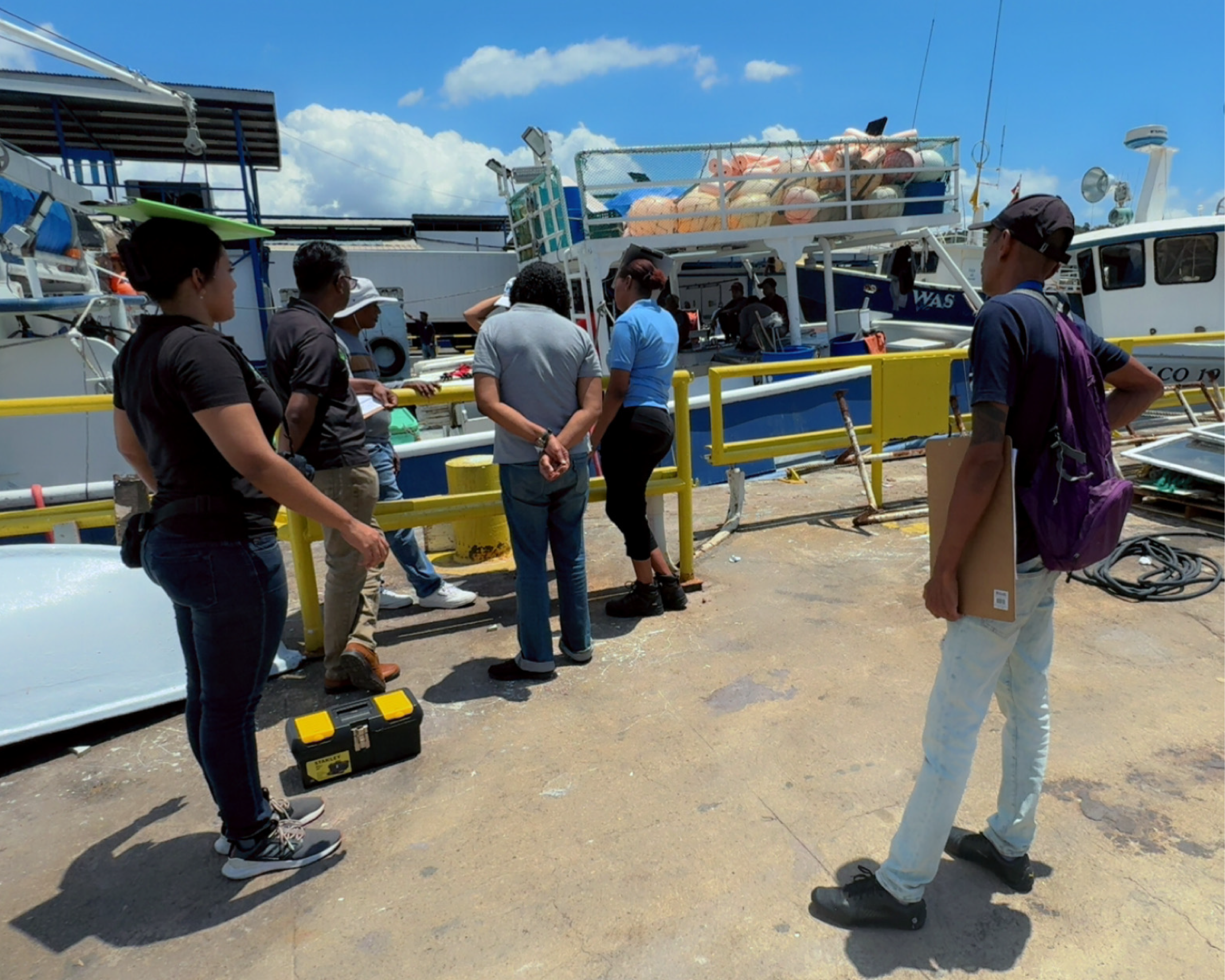
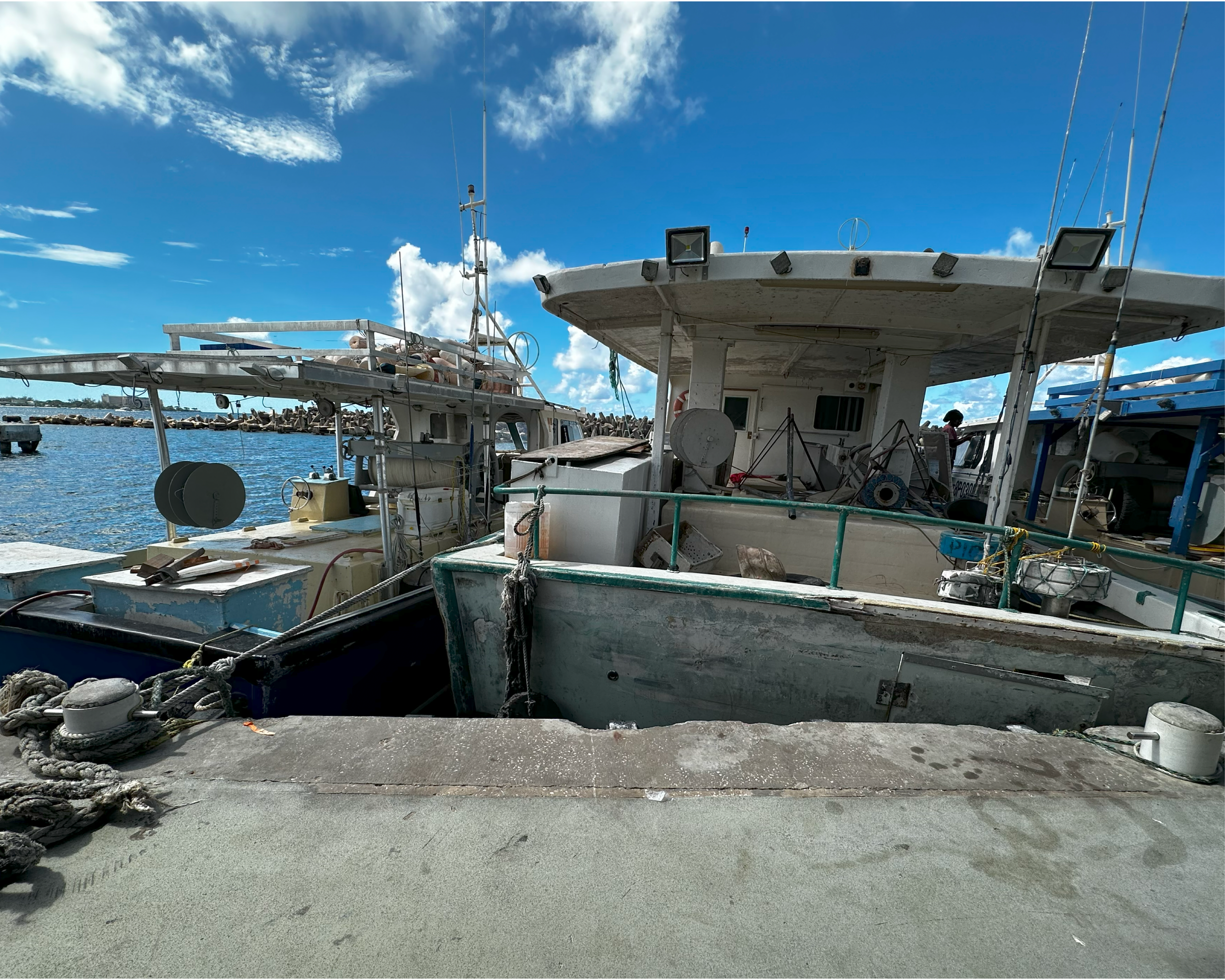
Barbados’s longline tuna fishery is made up of approximately 47 active vessels. These vessels generally range from 10 to 15 metres in length, operate with a single inboard diesel engine, and typically carry crews of three to five people.
-
The primary target species in this fishery is yellowfin tuna (Thunnus albacares). Yellowfin tuna is the core of the fishery and forms Barbados’s largest export fishery.
-
The fishery is a significant source of export revenue for Barbados. In 2019 alone, tuna exports generated approximately US$5 million.
-
Barbados’s tuna exports are regulated under ICCAT. This means the fishery is subject to strict reporting and compliance requirements, which are necessary for continued access to export markets.
-
Barbados' pelagic longline export fishery was reviewed under NOAA's Marine Mammal Protection Act (MMPA) import provisions, and in the 2025 determinations, Barbados received a comparability finding confirming its fishery is comparable in effectiveness to the U.S. regulatory programme. Continued market access nonetheless depends on maintaining effective bycatch monitoring, mitigation, and reporting systems.
-
In 2025, Barbados enacted the Sustainable Fisheries Management Act. Among other things, the Act requires ecosystem-based management plans for large pelagic species, including tunas.
-
To reduce bycatch and improve protection for Endangered, Threatened and Protected (ETP) pelagic species, Barbados introduced measures aligned with ICCAT requirements. These measures include gear restrictions and enhanced monitoring.
Voluntary Uptake and Community Engagement
-
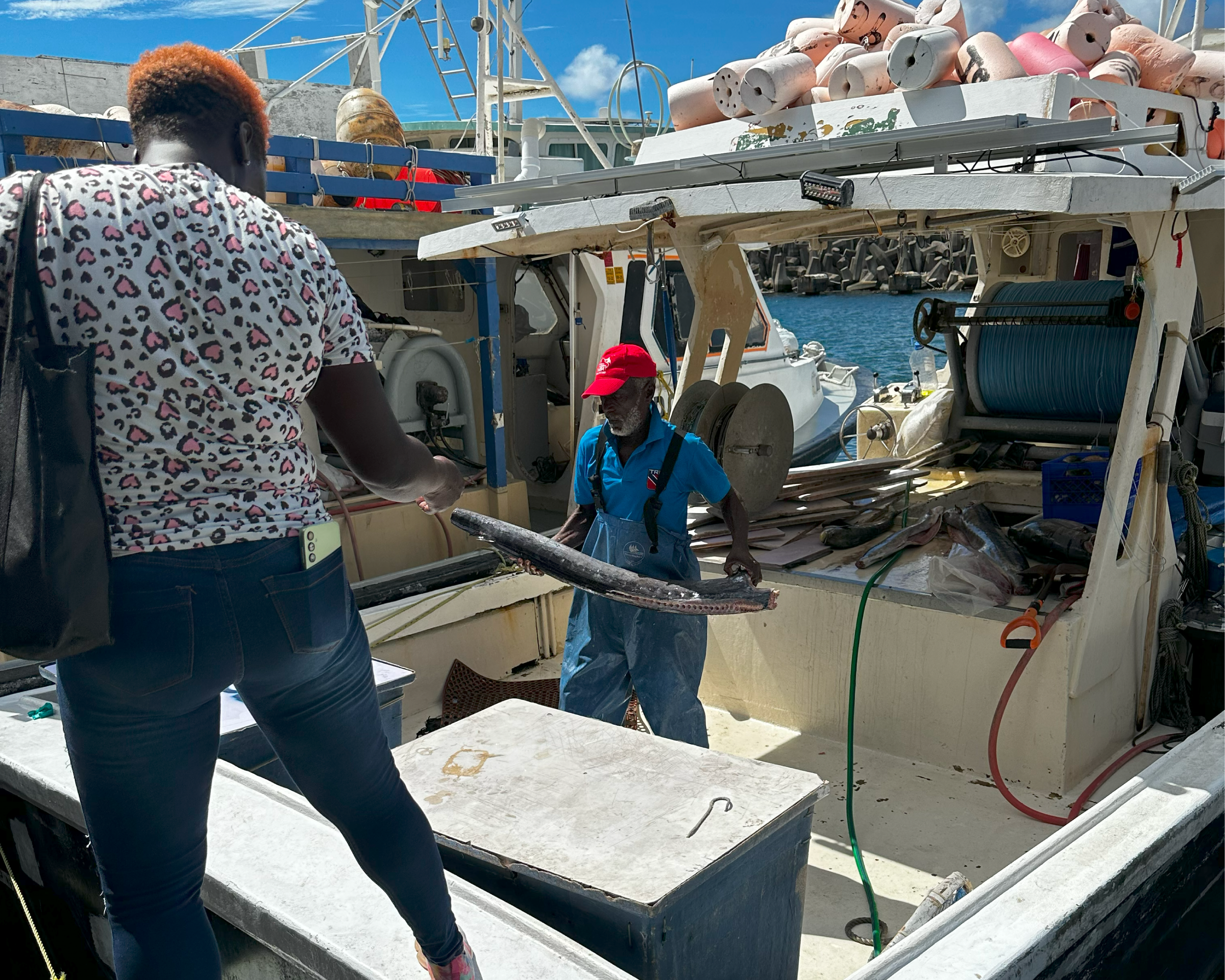
WhatsApp broadcasts and group chats were used to share information quickly during the sea trials. This made it possible to keep fishers updated in real time and helped ensure they remained engaged and informed throughout the process.
-
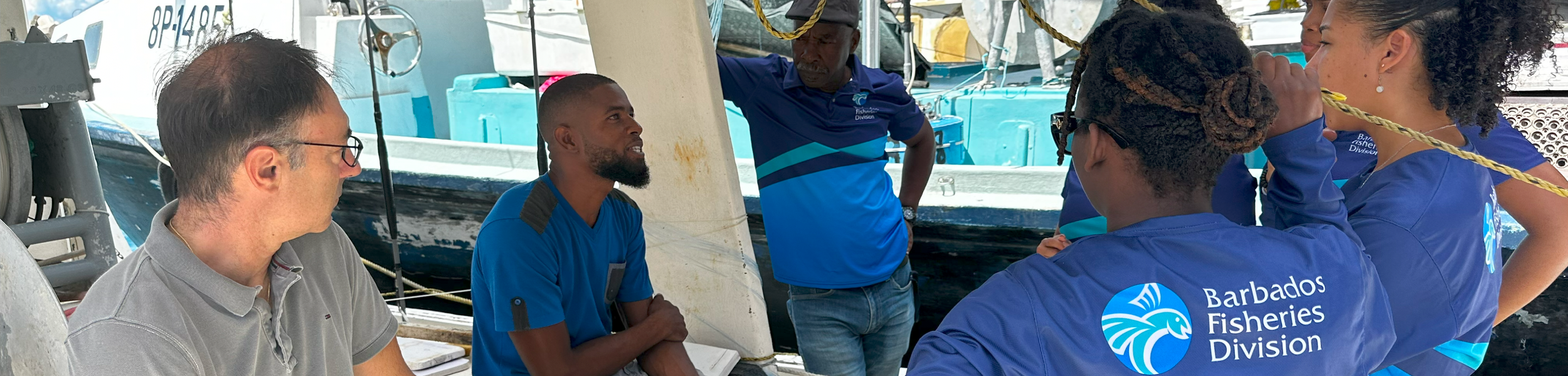
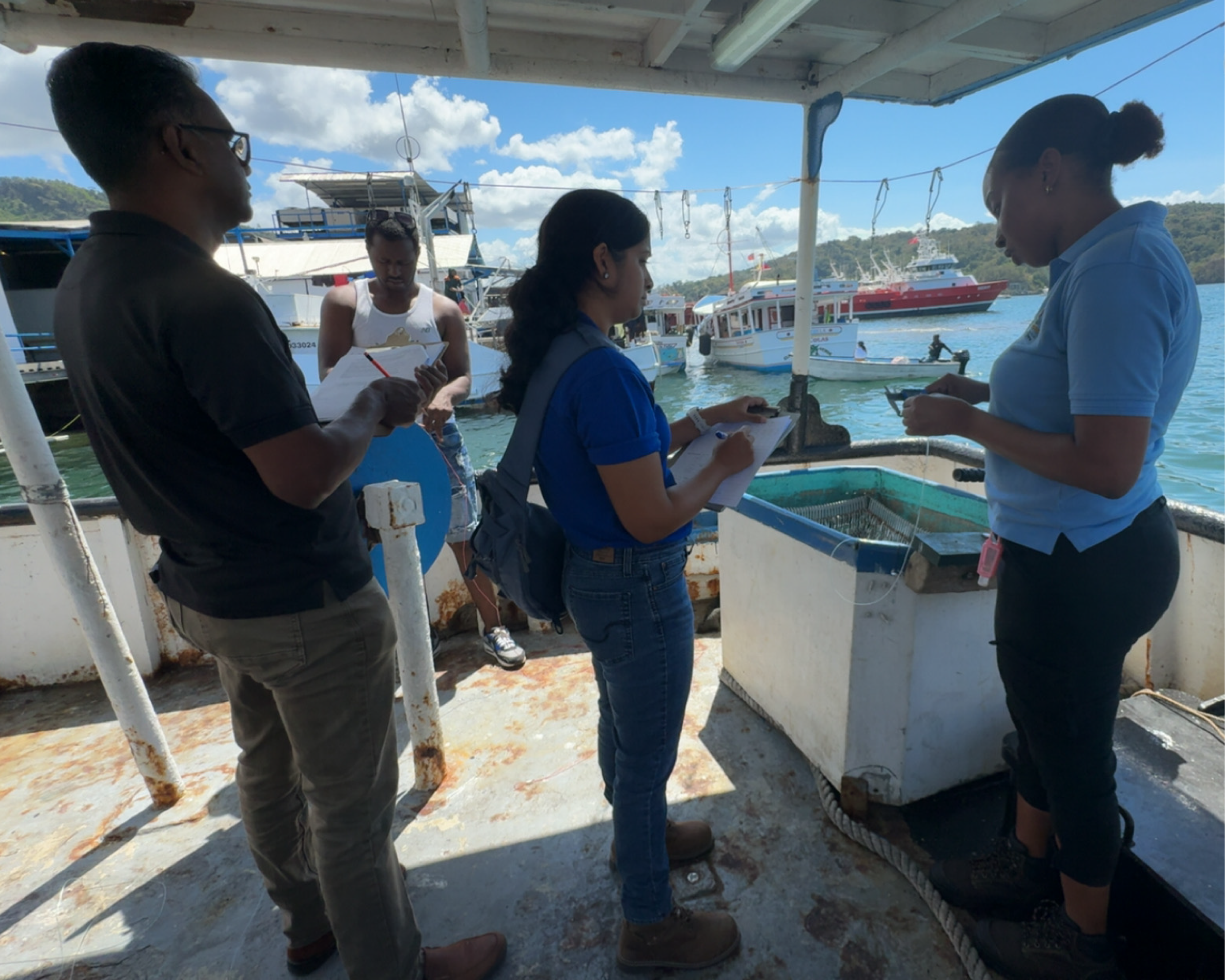
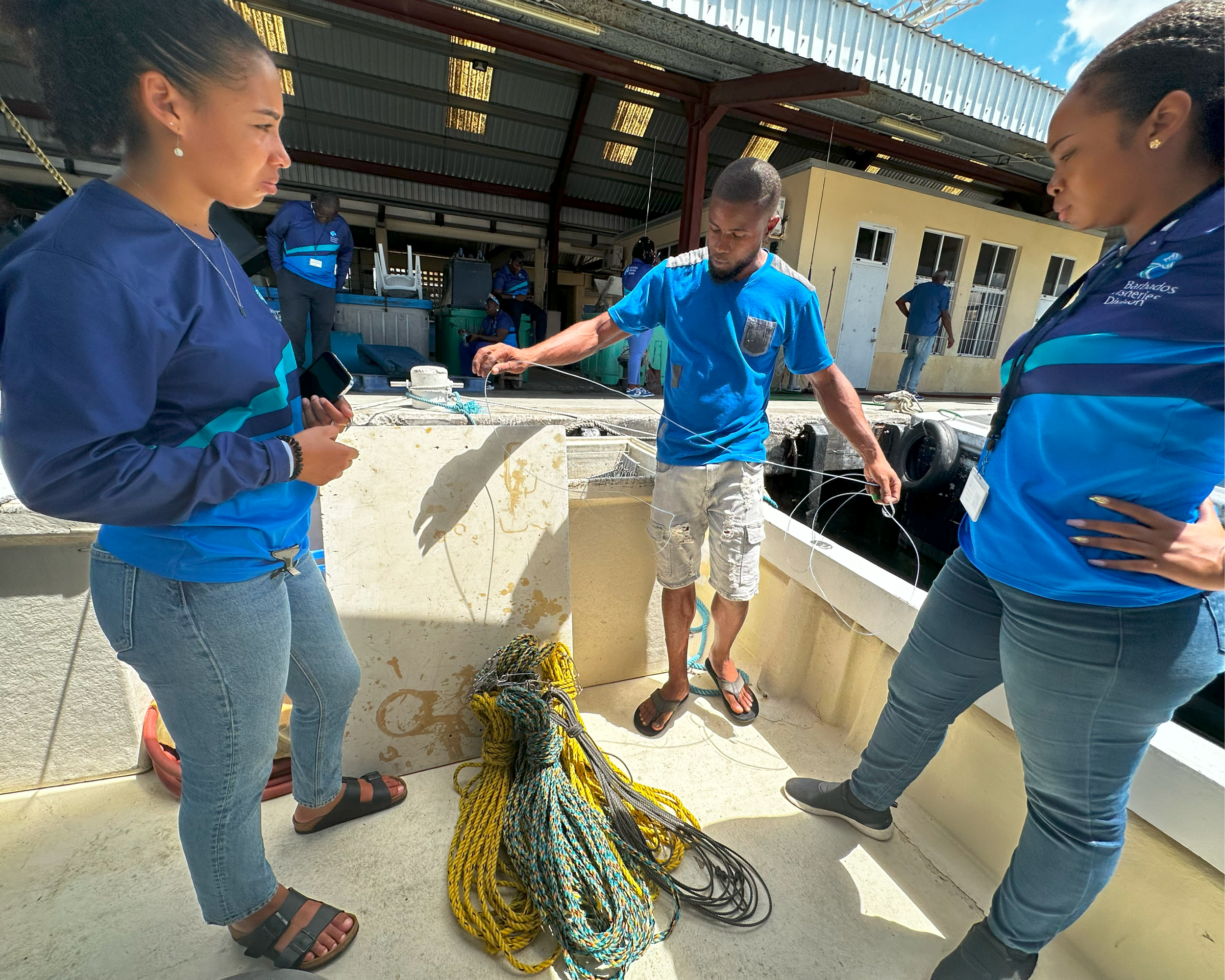
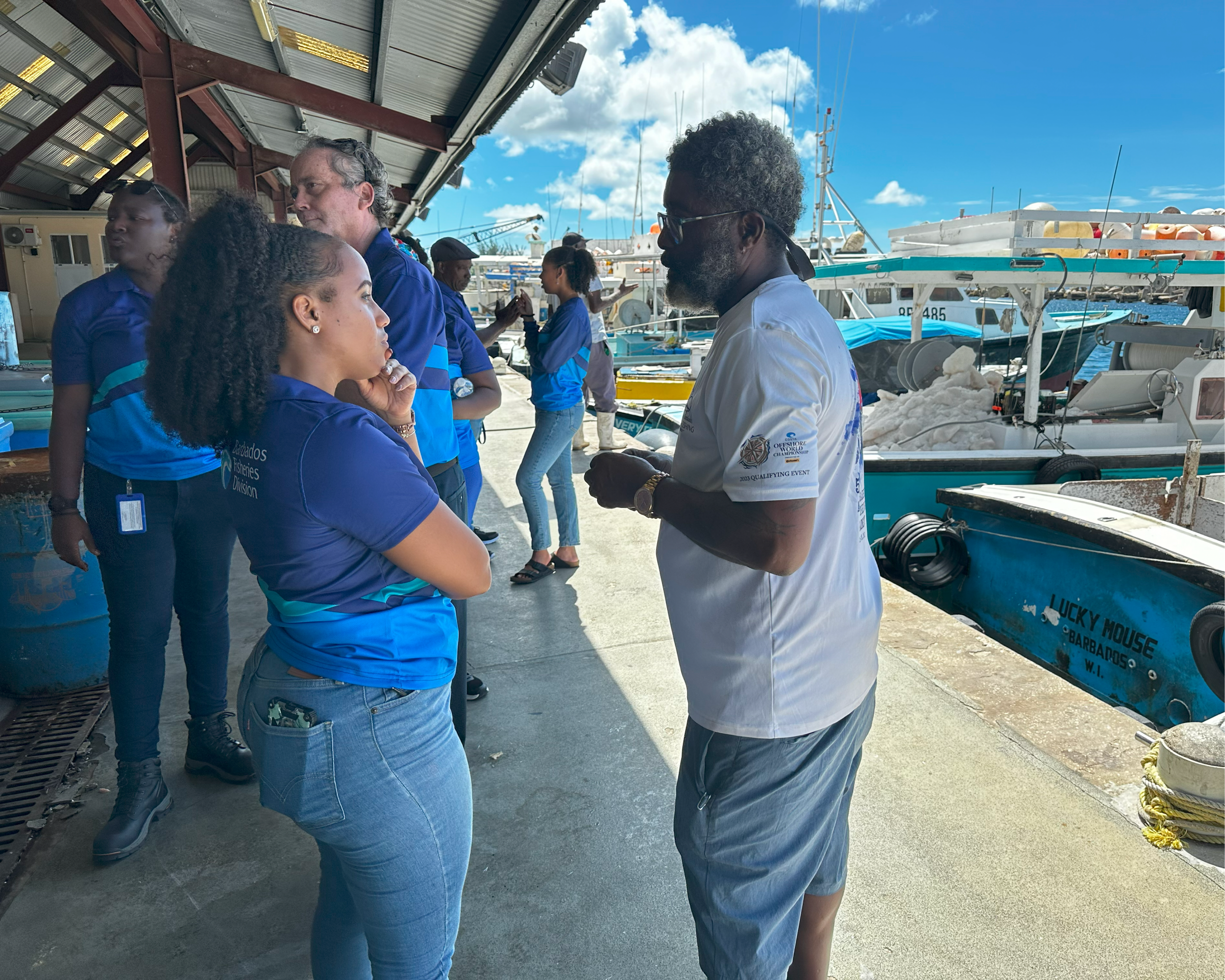
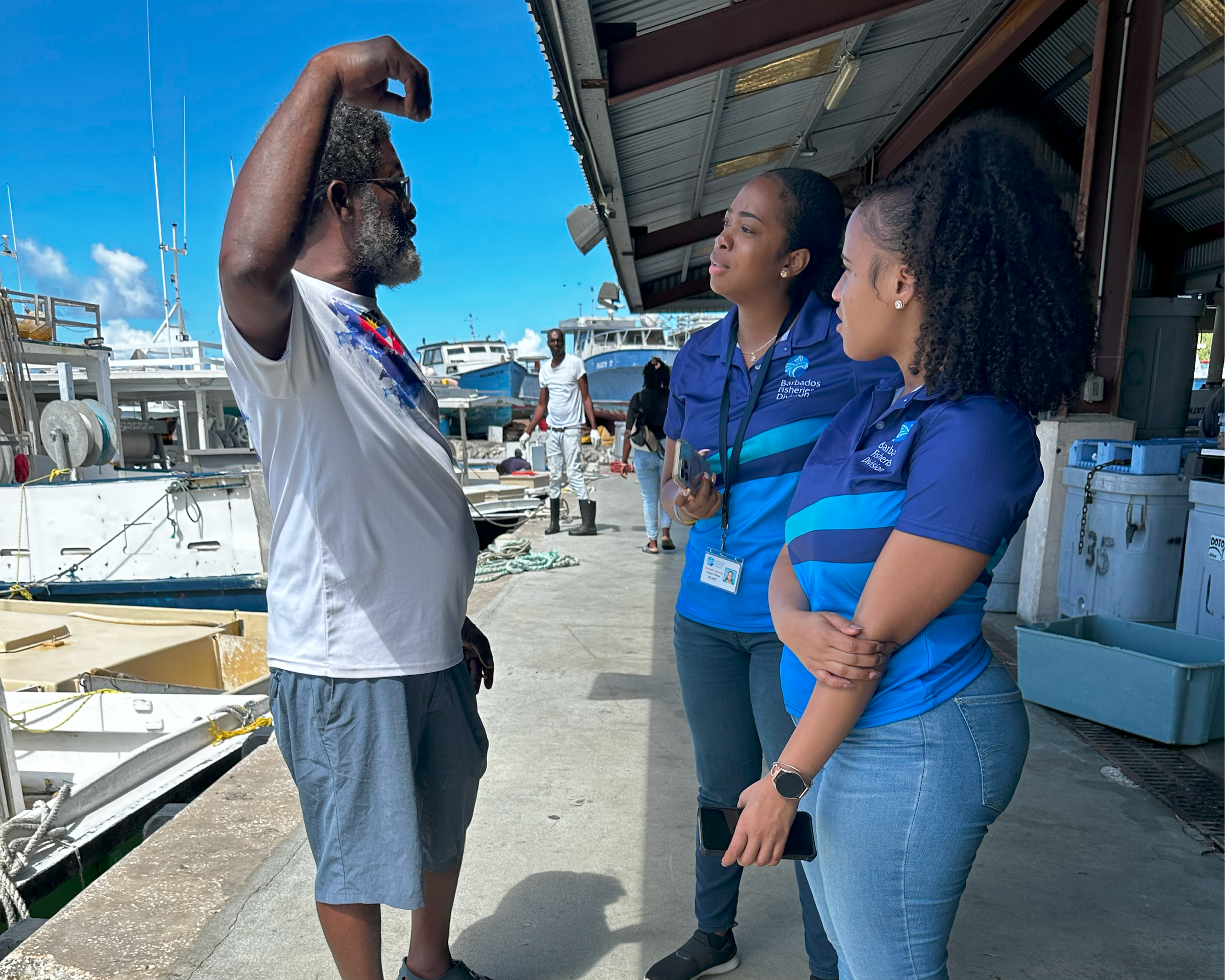
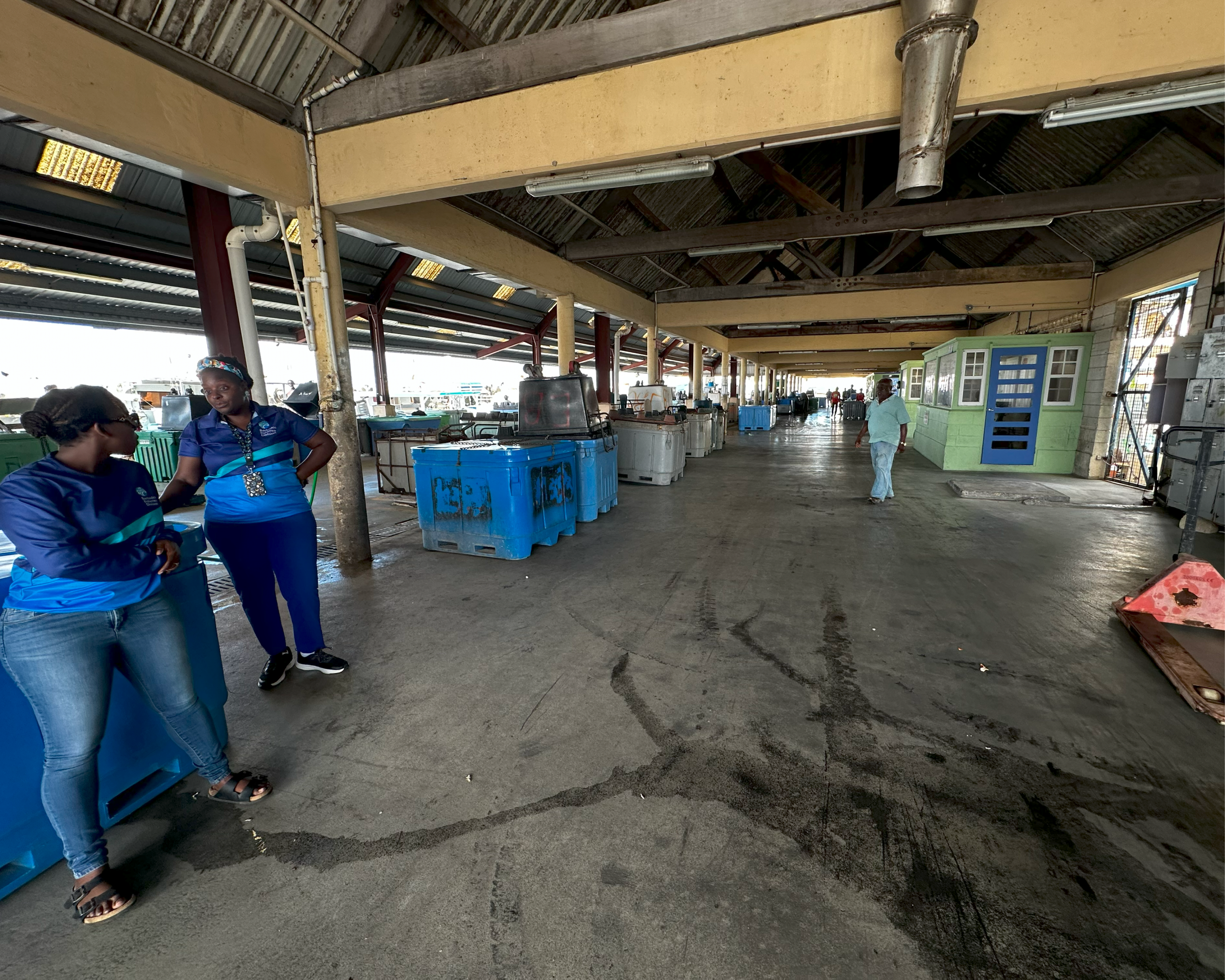
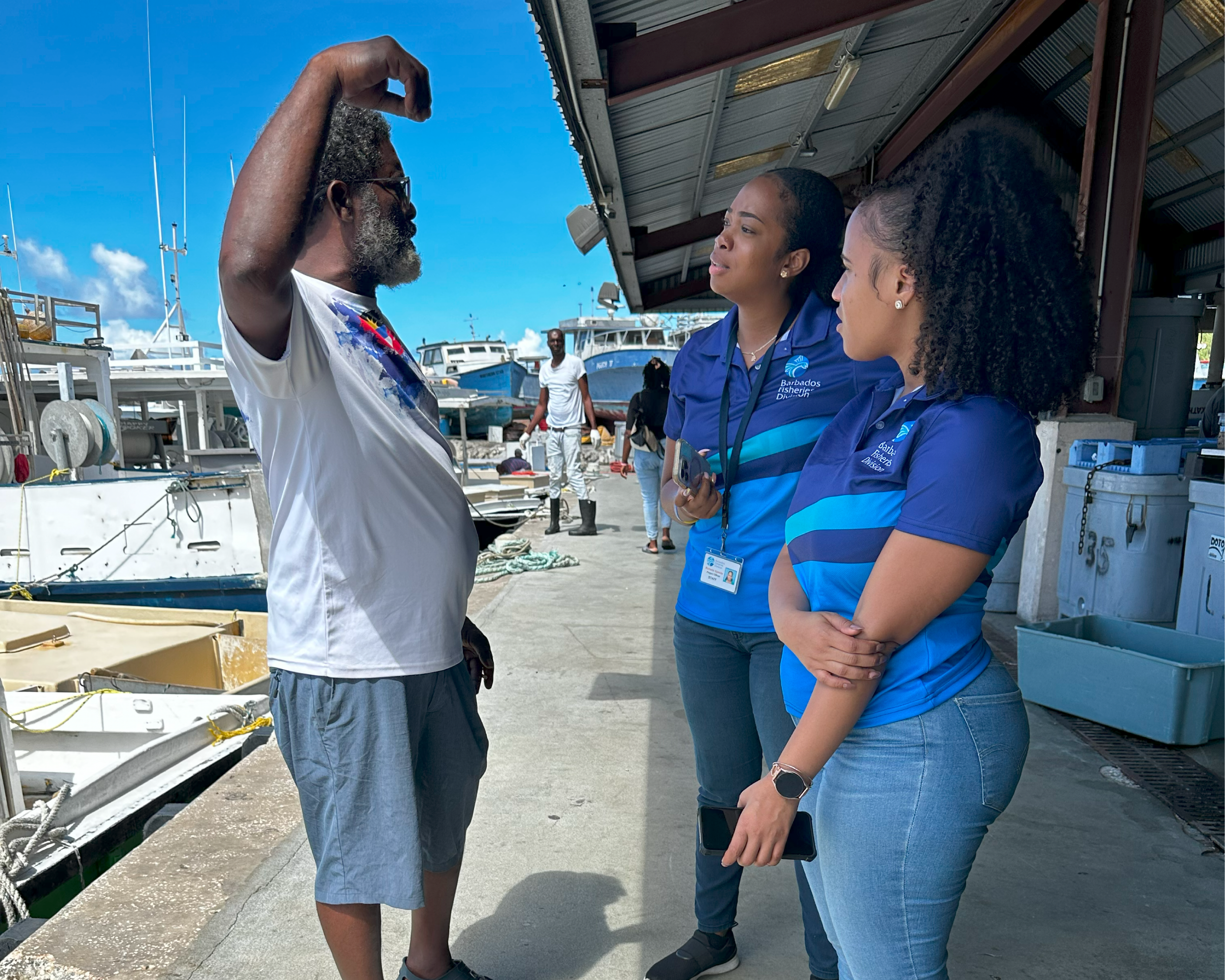
Regular dockside conversations helped build trust and made the gear trials more visible within the fishing community. Hands-on demonstrations also gave fishers a chance to see the gear up close, ask questions and satisfy their curiosity directly.
-
The work was carried out in partnership with an influential captain and respected community leader. Their involvement helped give the trial credibility and encouraged wider interest across the fleet.
-
Peer-to-peer influence played an important role in accelerating voluntary uptake. Fishers were not only hearing about the trial from officials, but also through trusted voices within their own community.
-
The result was strong community interest and high voluntary participation. Clear communication, consistent engagement and the use of trusted messengers helped create the conditions for broader support across the fleet.
Economic & Operational Benefits
-
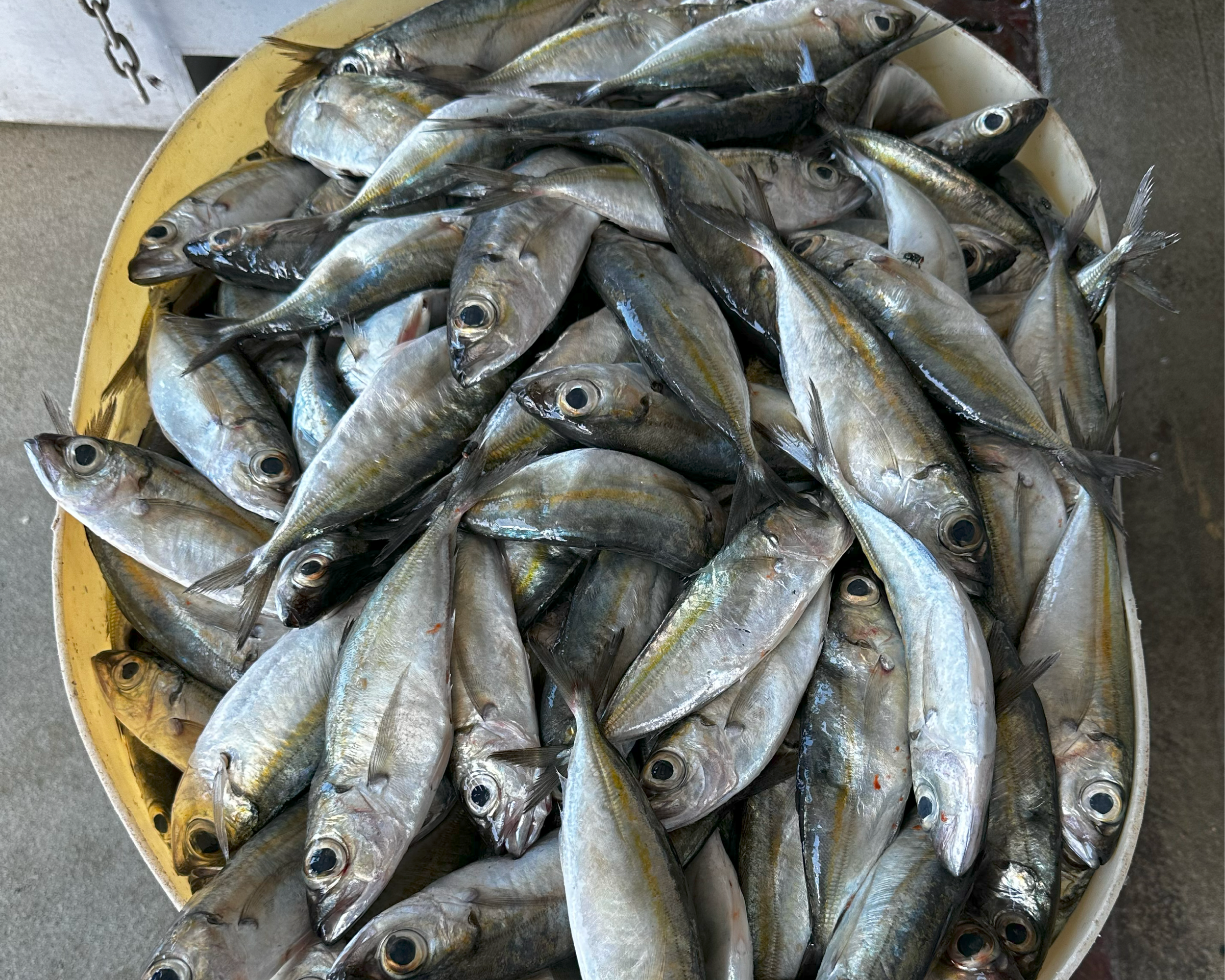
The pilots showed lower mortality with the use of circle hooks. This means more tuna were landed alive, which can support better grading and improve export value.
-
The gear trials showed no reduction in yellowfin tuna catch rates. This is important because it suggests that fishers can adopt circle hooks without losing performance in the main target fishery.
-
To help ease the shift, the Barbados Fisheries Division is organising a trade-in scheme. Under this arrangement, old J-hooks can be exchanged for either C16 or C18 circle hooks, helping to reduce the cost barrier for fishers.
-
There is also ongoing collaboration with local gear suppliers to help ensure a consistent stock of circle hooks is available. This is intended to support long-term adoption by making the gear easier for fishers to access when needed.
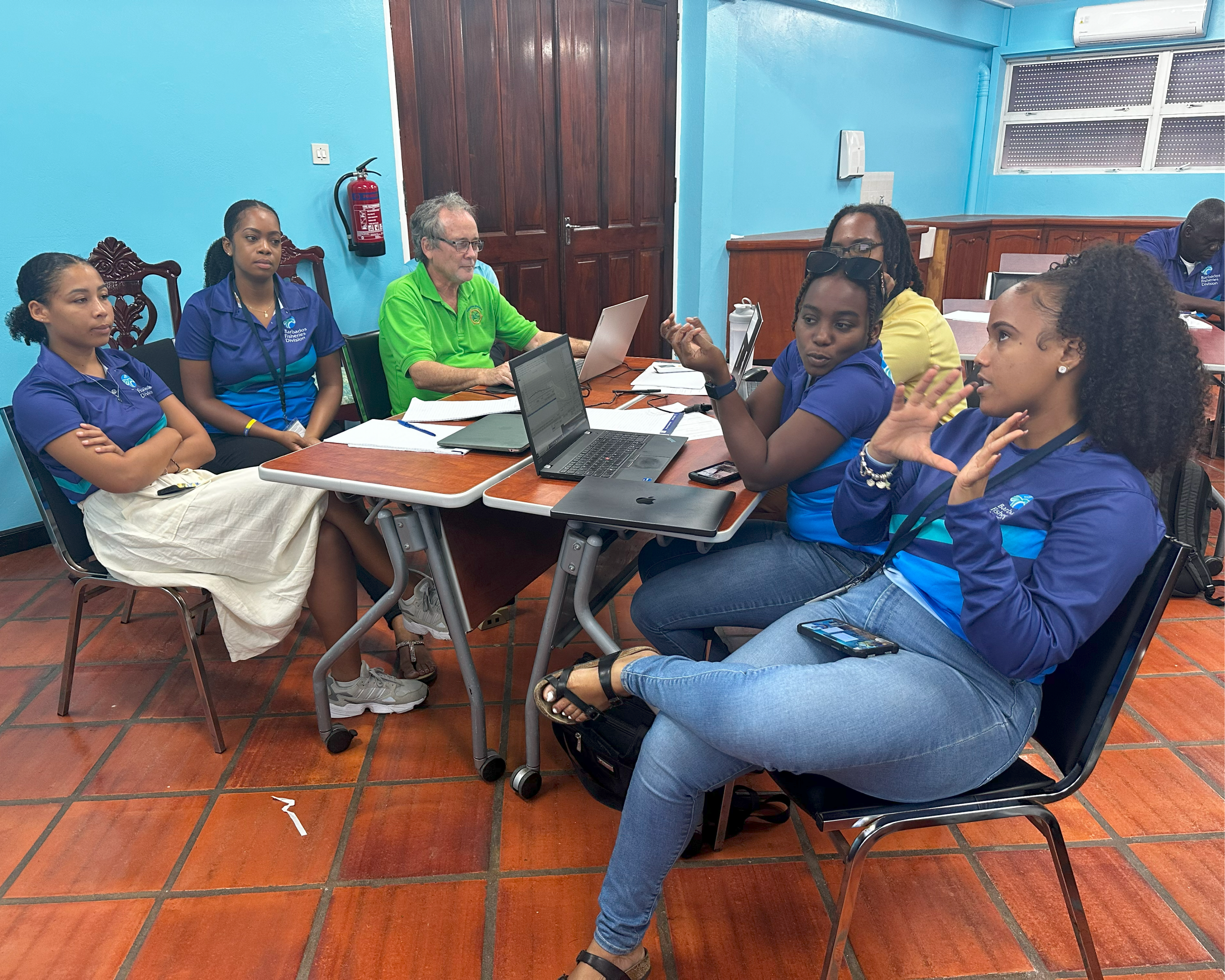
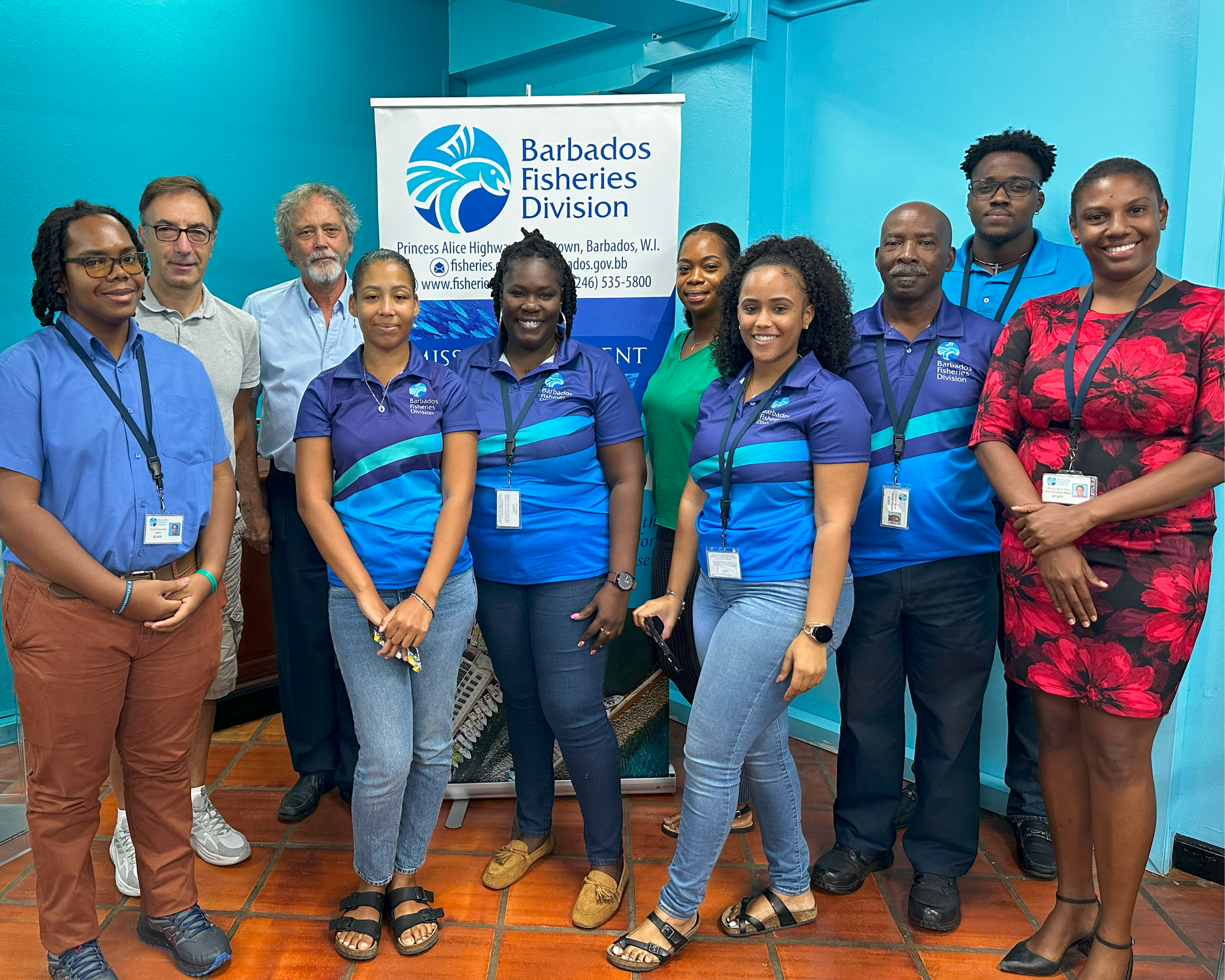
Meet the REBYC-III CLME+ Barbados Team