Beyond Catch: Future-Proofing Fisheries Through an Ecosystem Approach
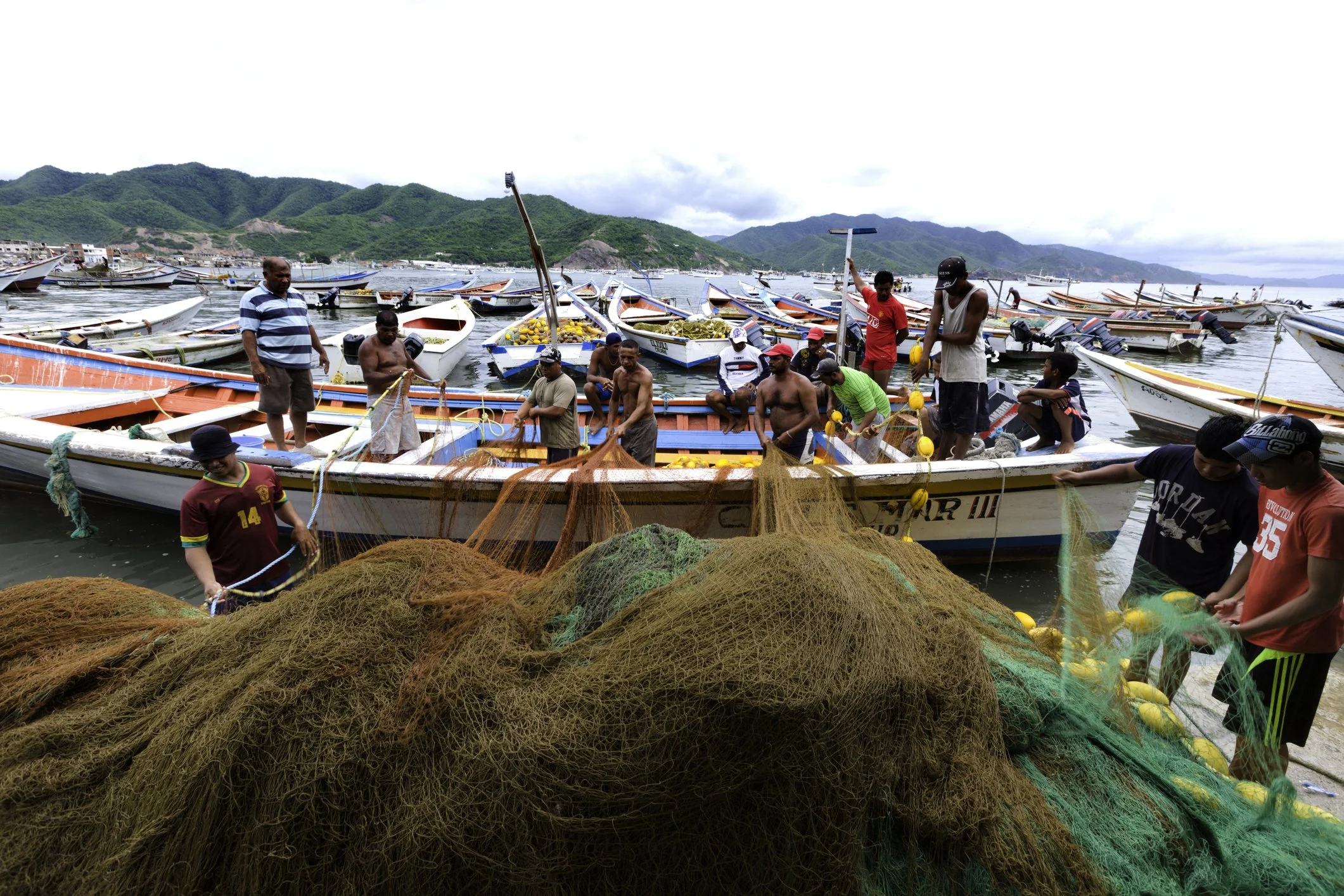
Image by Alberto Pomares via iStock by Getty Images
When people hear the word fisheries, they often think first about fish stocks: how much is being caught, whether catches are rising or falling, and what can be done to keep the industry going. But fisheries are never just about catch. They are also about habitats, livelihoods, food security, governance, and the communities whose lives and futures are tied to the sea.
This broader way of thinking underpins the Ecosystem Approach to Fisheries, or EAF.
At its core, EAF is a way of managing fisheries with the bigger picture in view. Rather than looking only at catch and target species, it asks us to consider the condition of marine ecosystems, the wellbeing of fishing communities, and the systems of governance needed to support fisheries over time. It recognizes the interactions and uncertainties associated with the biological, physical and human components of fisheries and marine ecosystems. It also means paying attention to practical issues such as bycatch management, the protection of Endangered, Threatened and Protected (ETP) species, the impacts of fishing gear on marine habitats, and the growing challenge of Abandoned, Lost and otherwise Discarded Fishing Gear (ALDFG).
EAF is about creating management and governance systems that support fishing communities and seafood production without undermining the ecosystems that make fisheries possible in the first place.
Fish stocks do not exist in isolation. They depend on healthy habitats such as mangroves, seagrass beds, reefs, estuaries and seabeds, while fisheries themselves are shaped by climate change, pollution, fishing practices, market pressures and the condition of all species within the ecosystem. Human well-being is woven through all of this, influencing the choices, pressures and priorities that shape how fisheries are used and managed. In that sense, these realities cannot be separated.
According to the Food and Agriculture Organization of the United Nations (FAO), the Ecosystem Approach to Fisheries is built around three main pillars: Ecological Well-being, Human Well-being, and the Ability to Achieve, which includes governance and the institutional and external conditions needed for implementation.
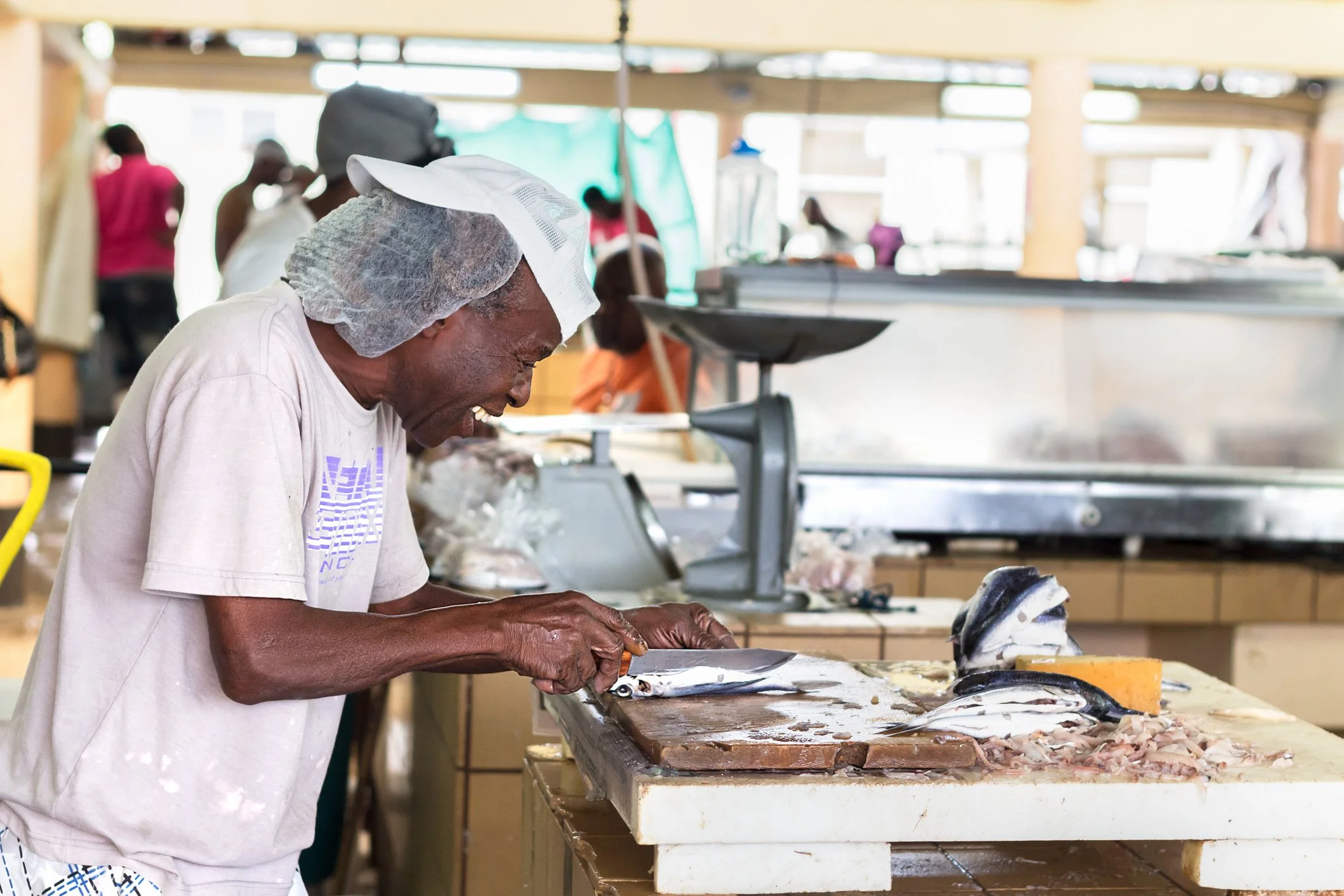
Image by Ruben Ramos via iStock by Getty Images
Striking a sustainable balance among the three components means bringing together science, policy and lived experience, placing emphasis on scientific and technical information, but also fisher knowledge, local realities, meaningful stakeholder participation, and the legal and institutional frameworks needed to support lasting change.
For the Caribbean and North Brazil Shelf region, this is urgently needed.
Our regional fisheries support jobs, trade, food security and coastal livelihoods, and they are under pressure from overfishing, habitat stress, climate change, pollution, data and knowledge gaps, limited management capacity, and harmful interactions with non-target and vulnerable species.
In response, the EAF4SG and REBYC-III CLME+ projects are helping to deliver the support and investment needed to advance the implementation of EAF in our region. . Implemented by the Food and Agriculture Organization of the United Nations (FAO), financed by the Global Environment Facility (GEF), and executed by The University of the West Indies, St. Augustine Campus, Faculty of Food and Agriculture, EAF4SG focuses on advancing the Ecosystem Approach to Fisheries in the shrimp and groundfish fisheries of Guyana, Suriname and Trinidad and Tobago, while the complementary REBYC-III CLME+, advances practical work across Barbados, Guyana, Suriname and Trinidad and Tobago to manage bycatch, reduce discards, address Abandoned, Lost and otherwise Discarded Fishing Gear, and reduce harmful fisheries impacts on Endangered, Threatened and Protected species such as marine turtles, marine mammals, sharks and rays, as well as adverse impacts of fishing gear on benthic habitats.
Follow us on social media to stay up to date with EAF4SG, REBYC-III CLME+ and the work being done to support more sustainable fisheries in the CLME+ region.