Bycatch, marine life and the future of fisheries in the CLME+ region
Bycatch and its importance for Caribbean fisheries
Not everything caught in a fishing operation is meant to be caught. Alongside target species, fishing gear can also unintentionally capture other marine animals. This is known as bycatch, and it is one of the clearest ways to see how fishing can affect far more than the catch that is brought to shore.
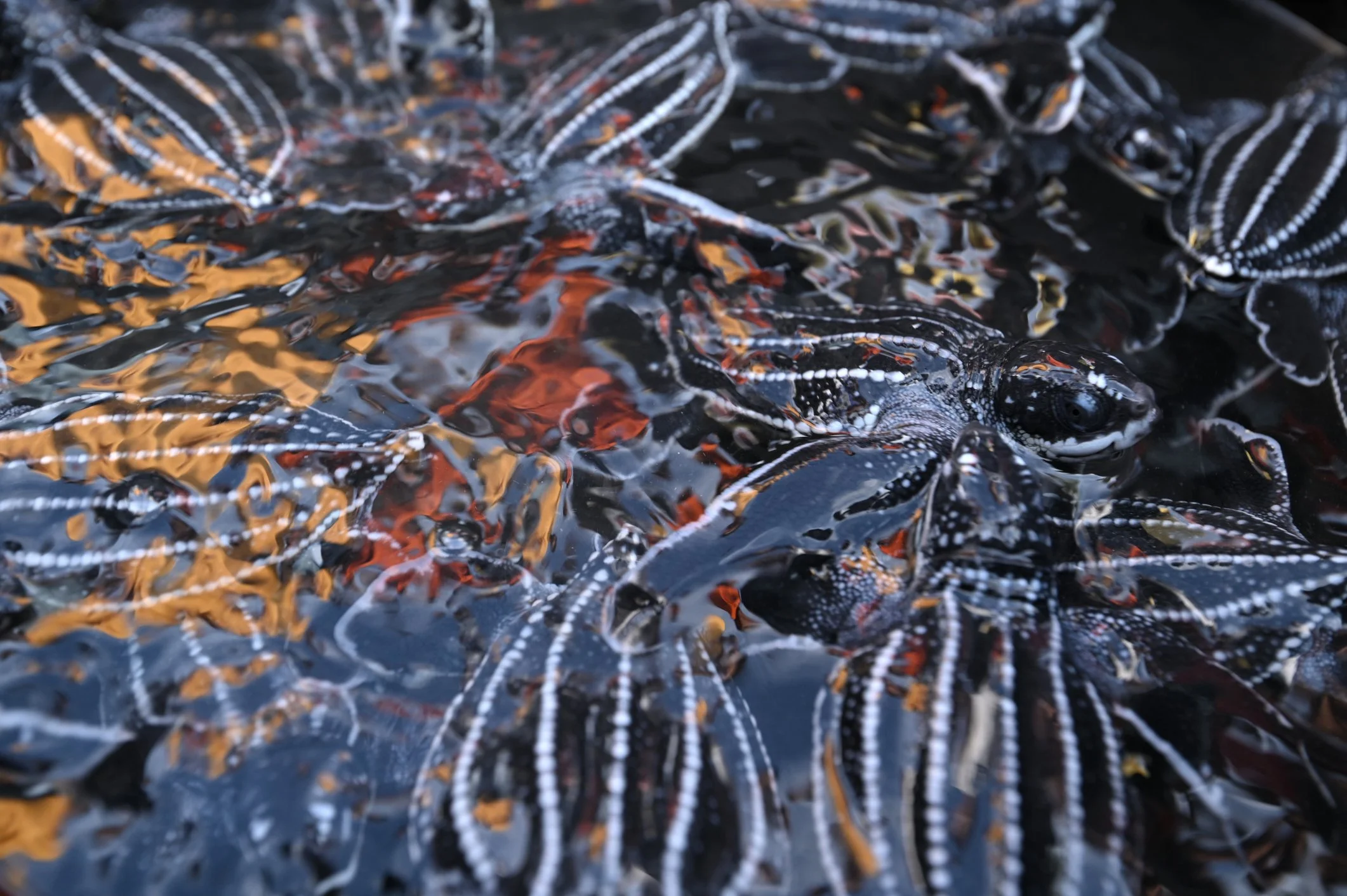
Bycatch may include non-target fish, juveniles of commercially important species, marine turtles, marine mammals, and some species of sharks and rays, including Endangered, Threatened and Protected (ETP) species. Some bycatch is retained and used, while some is discarded at sea, either dead or alive. Animals released alive may nevertheless be injured or experience delayed mortality following their release.
Abandoned, lost or otherwise discarded fishing gear (ALDFG) can also continue catching and entangling marine animals after control of the gear has been lost. This continuing capture is known as ghost fishing and represents an additional source of unaccounted fishing mortality.
Bycatch and associated mortality increase pressure on Caribbean marine ecosystems.
Bycatch and discard mortality add to the pressure on Caribbean fisheries and marine ecosystems already affected by overfishing, habitat degradation, pollution and climate change. Many affected species perform important ecological functions. Predators such as sharks can influence food-web structure, while marine turtles contribute to the functioning of habitats such as coral reefs and seagrass ecosystems.
When these species are lost or repeatedly harmed through fishing interactions, it can destabilize marine ecosystems and the fisheries that exist within them, ultimately affecting the long-term resilience of food security, livelihoods and human wellbeing in the region.
Part of what makes this problem difficult to solve is that it cannot be addressed through individual fisher behaviour alone. Barriers can include limited access to information and suitable technologies, the costs and operational risks associated with changing fishing practices, insufficient incentives and technical support, and uncertainty about whether an alternative will maintain the catch of target species.
Add to that limited enforcement of existing rules and gaps in the information needed to guide good decisions, and it becomes clear that addressing bycatch requires more than just new technology — it requires a shift in knowledge, policy and community practice together.
REBYC-III CLME+ is testing practical ways to reduce harmful interactions.
Implemented by the Food and Agriculture Organization of the United Nations (FAO), financed by the Global Environment Facility (GEF), and executed by The University of the West Indies, St. Augustine Campus, Faculty of Food and Agriculture, the four-year REBYC-III CLME+ project is responding to this challenge in Barbados, Guyana, Suriname, and Trinidad and Tobago.
Depending on the fishery and the bycatch problem being addressed, the project is assessing measures such as alternative hook and bait configurations, net illumination, acoustic deterrent devices, Turtle Excluder Devices, Bycatch Reduction Devices, more selective codends, and improved handling and release practices for marine turtles, marine mammals, sharks and rays. These measures seek to reduce capture in the first place and to improve the survival of animals that cannot be avoided and are subsequently released.
The field trials also consider effects on target catch, gear performance, safety, costs and normal fishing operations. This is essential because a technically effective measure is unlikely to be adopted unless it is also practical and economically feasible for fishers.
The project also works to strengthen the policies and legal frameworks that govern fishing in each participating country, while developing incentives and strategies to encourage more responsible fishing practices across fishing communities. The goal is not to place the burden of change on individual fishers alone, but to build the kind of broad, shared understanding and institutional support among fishers, the fishing industry and the fish-buying public — that makes lasting change possible.
The project results framework anticipates an estimated catch reduction of 37,418 tonnes through the increased adoption and implementation of measures addressing bycatch, discards and ALDFG. It also aims to bring approximately 5.3 million hectares within the Exclusive Economic Zones of the participating countries under improved fishing practices.
A healthier ocean for the long term.
Ultimately, reducing bycatch is about more than protecting individual animals. It is also about reducing avoidable fishing mortality, improving the selectivity and efficiency of fishing operations, and safeguarding the productivity and resilience of the wider marine ecosystem that millions of people in the Caribbean depend on for food, income and their way of life.
A future where fishing is more selective, marine ecosystems are better protected, and coastal communities continue to thrive is what REBYC-III CLME+ is working toward, contributing to the region's blue economy and its commitments to the Sustainable Development Goals adopted by the United Nations in 2015.
Follow us on social media to stay up to date with REBYC-III CLME+ and the work being done to support more sustainable fisheries in the CLME+ region.