
Ghost gear, unwanted fishing gear and the push for practical, risk-based solutions
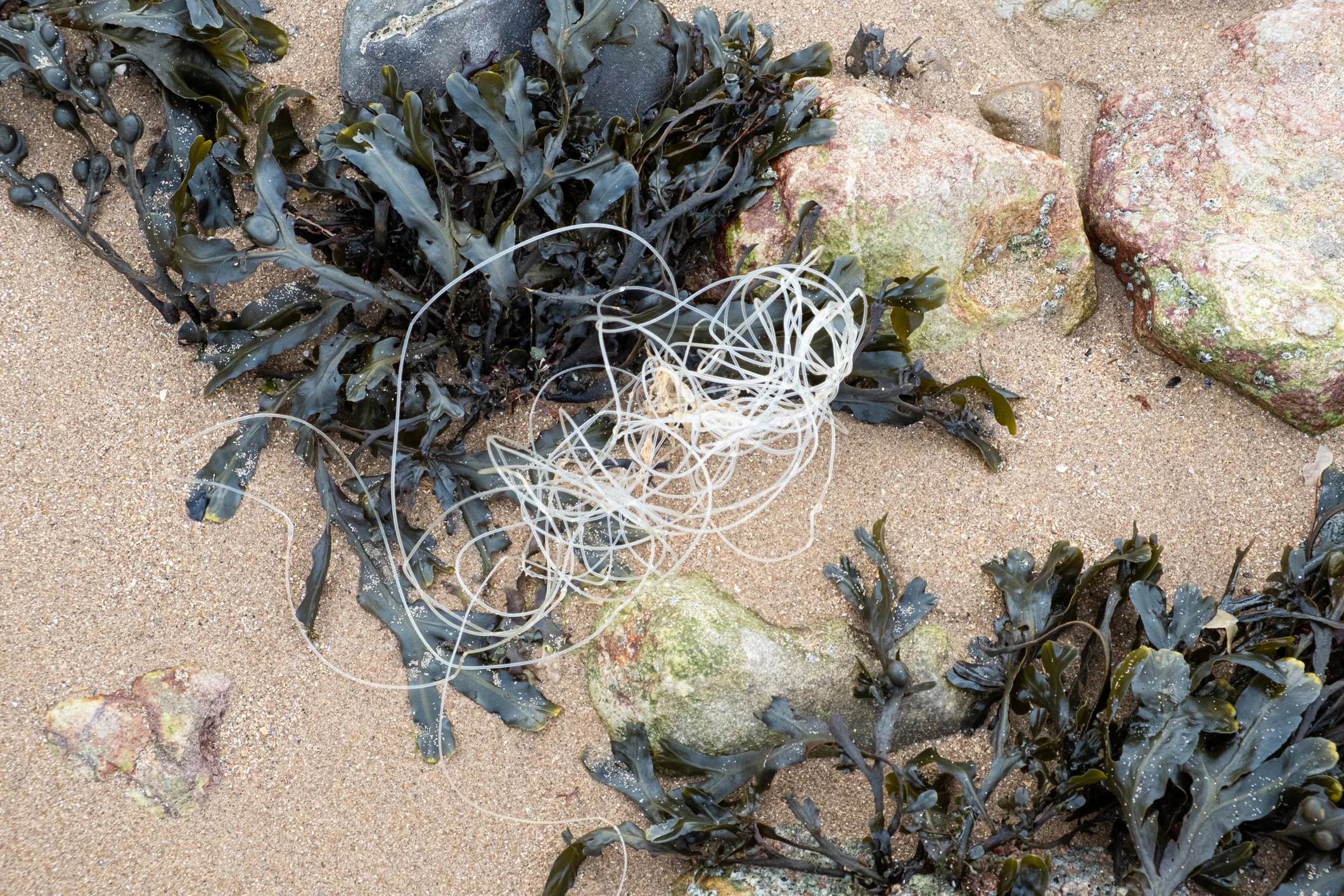
Fishing gear is designed to catch. That purpose can continue when the gear is lost.
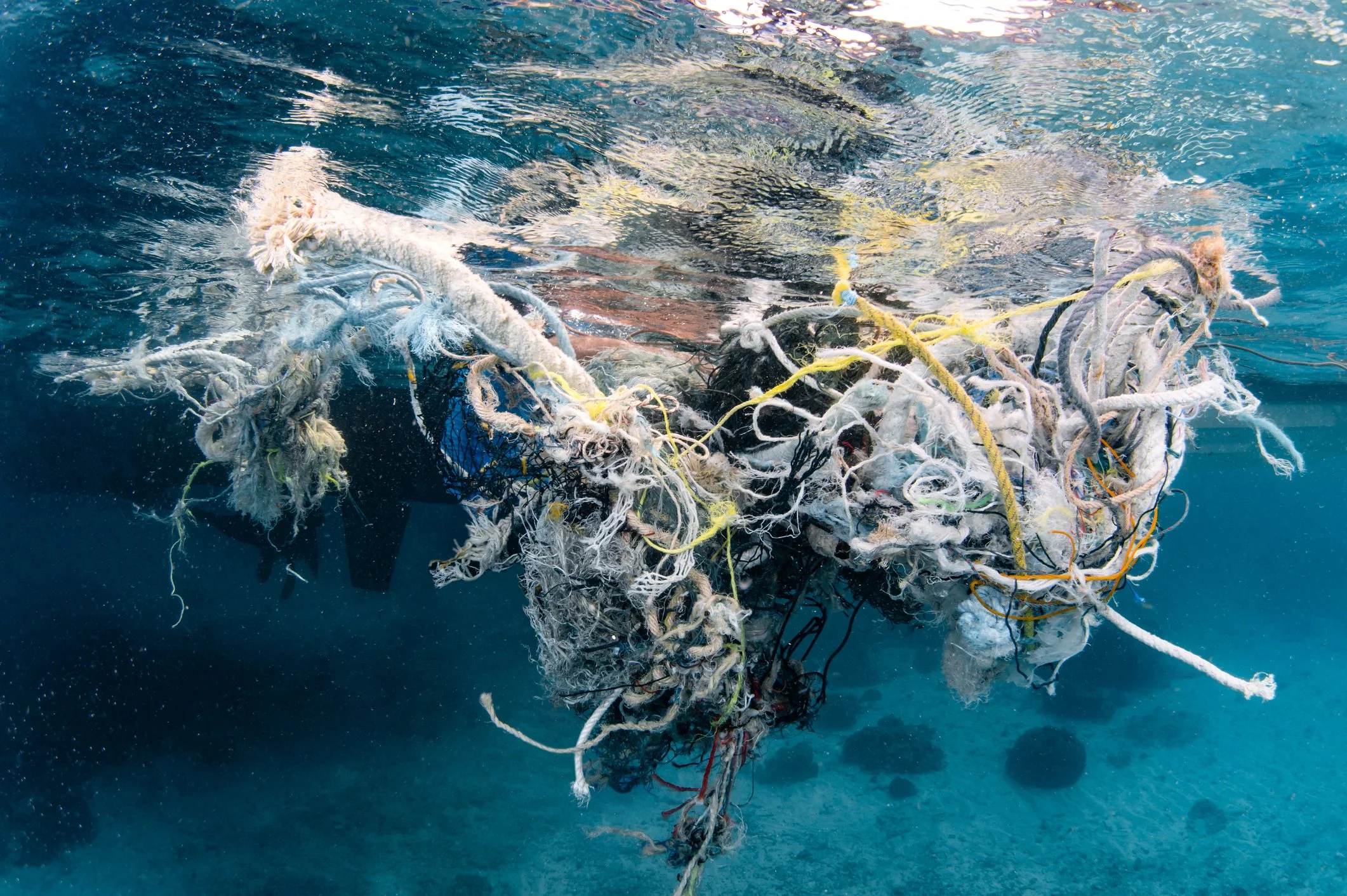
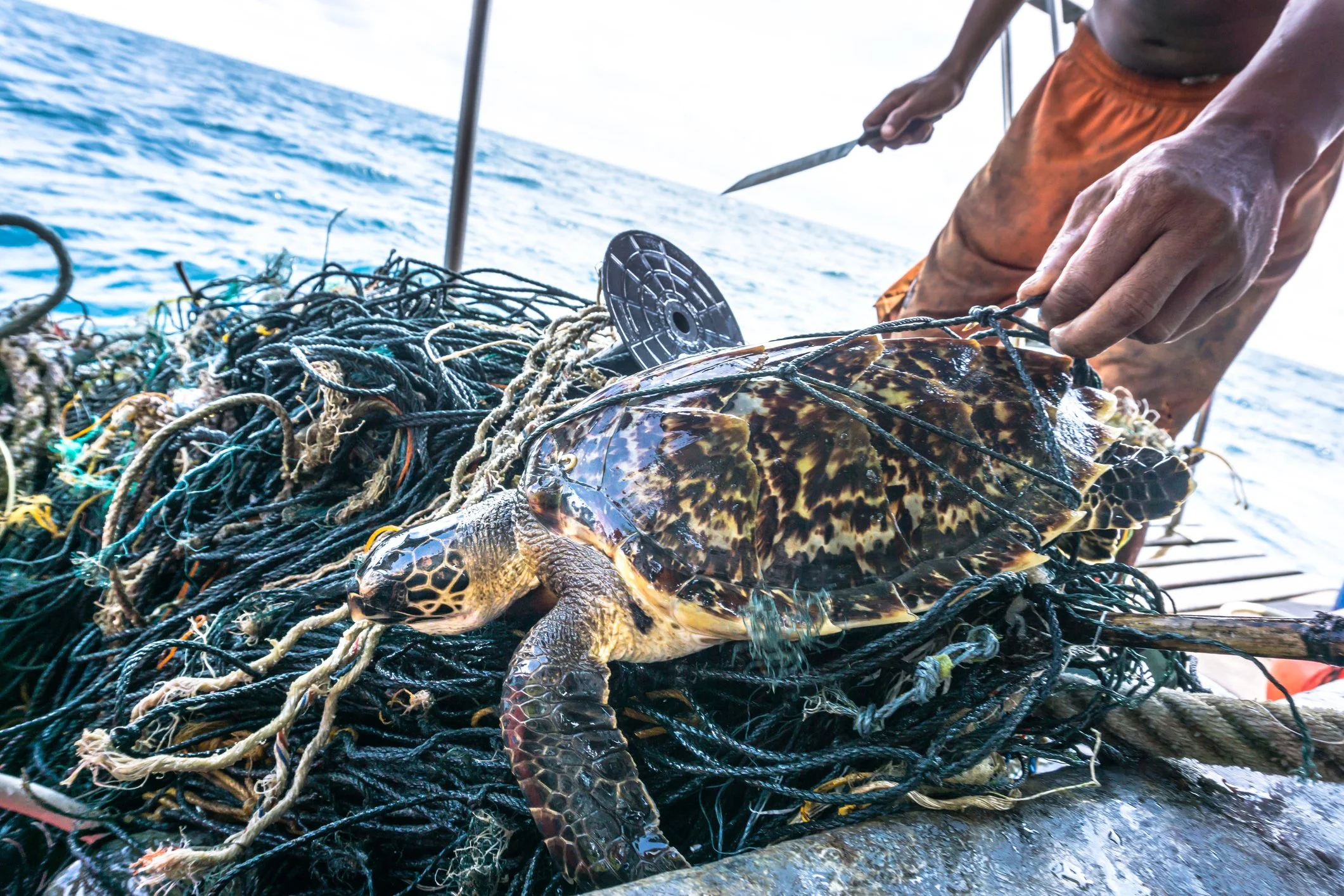
A net that drifts free of a vessel may continue fishing, an abandoned trap on the seabed may continue trapping, and lost lines can continue entangling marine animals. Beyond the harm to marine life, abandoned, lost or otherwise discarded fishing gear can abrade, smother or otherwise damage benthic habitats, contribute to marine plastic pollution, and create hazards for navigation and fishing operations by becoming entangled in propellers and engines.
Abandoned, lost or otherwise discarded fishing gear, known as ALDFG, is often referred to as ghost gear. However, the terms are not fully synonymous. Ghost gear is the portion of ALDFG that retains the capacity to continue fishing after control of the gear has been lost. Other ALDFG may no longer catch animals but can still damage habitats, create navigational hazards and generate economic and social costs.
ALDFG is one of the most challenging forms of marine litter, and it can place additional pressure on Caribbean fish stocks and on Endangered, Threatened and Protected species, such as turtles, sharks, dolphins and rays.
The Food and Agriculture Organization of the United Nations (FAO) treats ALDFG as both an environmental and a fisheries management issue. Effective responses require reliable data and integrated systems for preventing gear loss, marking fishing gear, reporting and locating lost gear, facilitating recovery, and managing recovered and end-of-life fishing gear through reuse, recycling or responsible disposal.
Building the evidence for better action
REBYC-III CLME+ is helping to address this problem at its root by looking at the wider systems that shape what happens to fishing gear before it is lost, after it is lost, and when it is no longer fit for use. Using standardized FAO survey instruments, the project has collected information from fishers and other stakeholders in Barbados, Guyana, Suriname, and Trinidad and Tobago on the scale and causes of gear loss, fishing practices, existing preventive actions, and the perceived importance of possible solutions.
These data are being used to support country- and gear-specific risk assessments and feasibility analyses. This is important because the likelihood of gear loss, its potential impacts, and the practicality of proposed interventions differ among fisheries, gear types and operating environments.
This includes improving how gear loss is reported, how lost gear is located and tracked, and how fisheries rules and management systems can better respond to the problem over time. It also means recognizing that gear marking can improve identification, ownership traceability, reporting and recovery, but does not by itself prevent all gear loss or eliminate ghost fishing.
Defining a complete response to ALDFG
At the project’s March Subregional Workshop on ALDFG and Gear Marking, which brought together participants from Barbados, Guyana, Suriname, Trinidad and Tobago, the wider Caribbean and Latin America, discussions moved beyond ghost gear as only a pollution issue and focused on the practical responses needed across the participating fisheries.
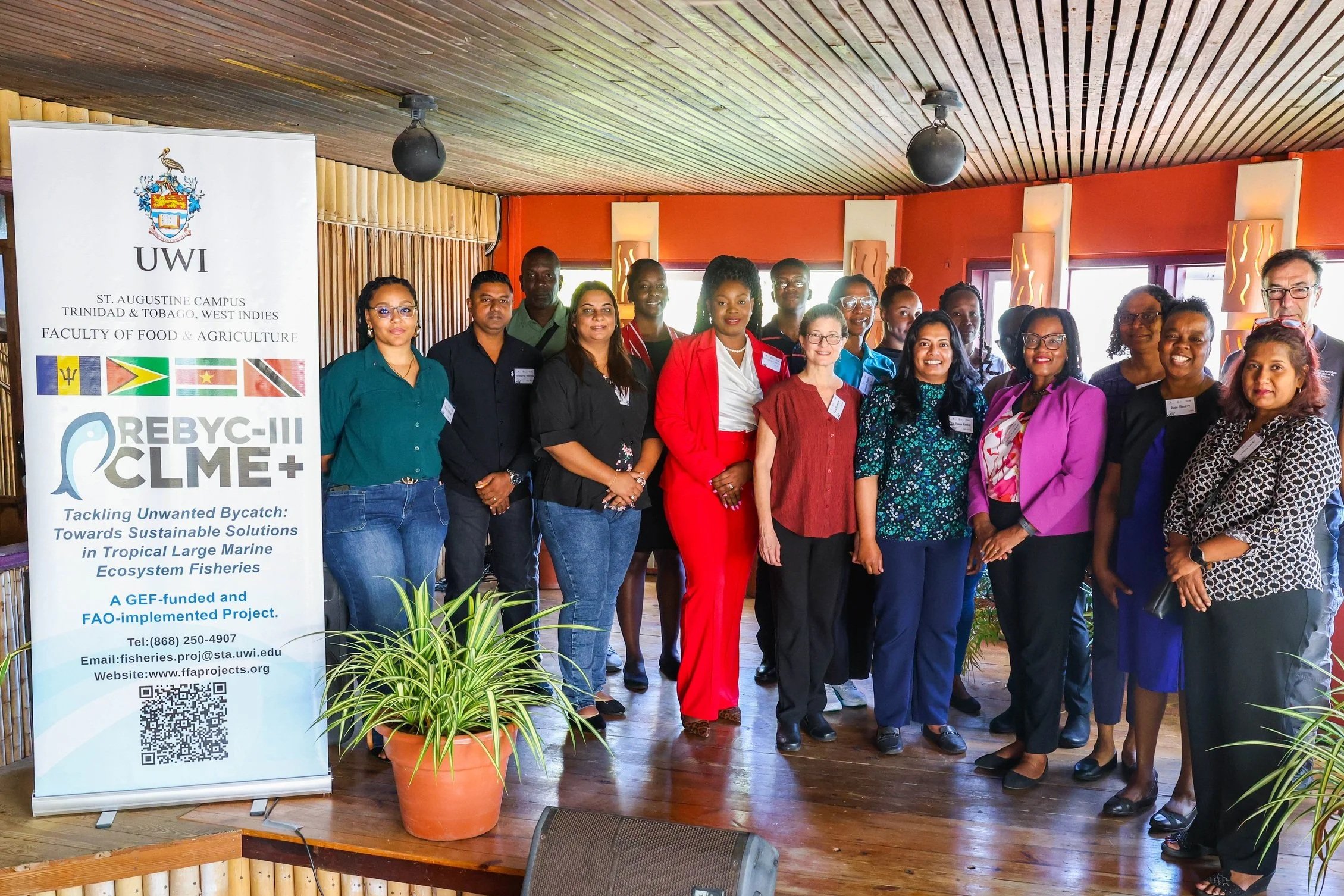
Participants considered findings from the national ALDFG surveys and discussed the FAO risk-based approach to fishing gear marking. This approach considers not only environmental and ecological risks, including ghost fishing and impacts on vulnerable habitats and species, but also economic, technological, safety and navigational risks.
The workshop examined possible gear marking approaches, reporting and traceability systems, and the wider questions of retrieval, disposal, recycling and end-of-life management that must sit alongside any marking system. Potential marking options include durable physical identifiers, barcodes and QR codes, and electronic technologies such as Radio Frequency Identification. No single technology, however, is expected to be appropriate for every gear type or fishery.
Designing systems that work at sea
Participants emphasised that, in the Caribbean, any successful system must be practical, affordable and shaped by fisher realities, as well as durable, safe, verifiable and compatible with the way fishing gear is deployed, hauled, stored and repaired. Requirements should be proportionate to the level of risk and introduced through a gradual and participatory process.
Fishers understand how gear behaves at sea, why it gets lost, and what practical changes are realistic. Their participation is therefore essential when selecting marking technologies, deciding where and how marks should be attached, testing their durability and readability, and ensuring that they do not snag, damage the gear or interfere with normal fishing operations.
Gear may be damaged by weather, cut loose for safety, snagged on seabed obstructions, lost through conflict with other vessels or fishing gears, carried away by currents, damaged or displaced by large marine animals, affected by equipment failure or vandalism, or abandoned when there are no clear or affordable disposal options on land.
These realities matter because any response to ALDFG must be built around the conditions fishers actually work within. Interventions should be matched to the principal causes of loss in each fishery. Gear marking should therefore be combined, where appropriate, with improved gear maintenance, spatial information and communication among vessels, accessible loss-reporting systems, recovery capacity, incentives, landing-site collection facilities, awareness, monitoring and enforcement.
From safe recovery to responsible disposal
Retrieval also needs to be carefully planned. Removing lost gear is not automatically beneficial in every situation, particularly when it has become embedded in or colonised by sensitive benthic communities. Recovery decisions should consider ecological benefits and risks, operational safety, technical feasibility and costs, and removal should be conducted by appropriately trained personnel.
Ultimately, reducing ghost gear will be about making fisheries management more responsive to what happens before, during and after gear is used. Priority should be given to preventing loss and abandonment wherever possible, reducing harmful impacts when loss occurs, enabling timely reporting and safe recovery, and ensuring that unwanted gear is properly managed on land.
Gear that can remain safely in service should be maintained and repaired. Components should be reused where possible, while suitable materials should be separated and recycled when technically and economically feasible. Responsible disposal should be used when higher-value options are not available. Adequate collection and reception facilities, together with viable transport and recycling arrangements, are essential for making this system work in practice.
There is no single technological solution to ALDFG. Effective management requires a coordinated package of evidence-based and risk-based measures, developed with fishers and supported by appropriate governance, infrastructure, incentives, monitoring, enforcement and regional cooperation.
Follow our social media channels and subscribe to our blog, Fisheries in Focus, to keep up with updates, lessons and progress on ALDFG management, gear marking and other practical interventions being explored under REBYC-III CLME+.