
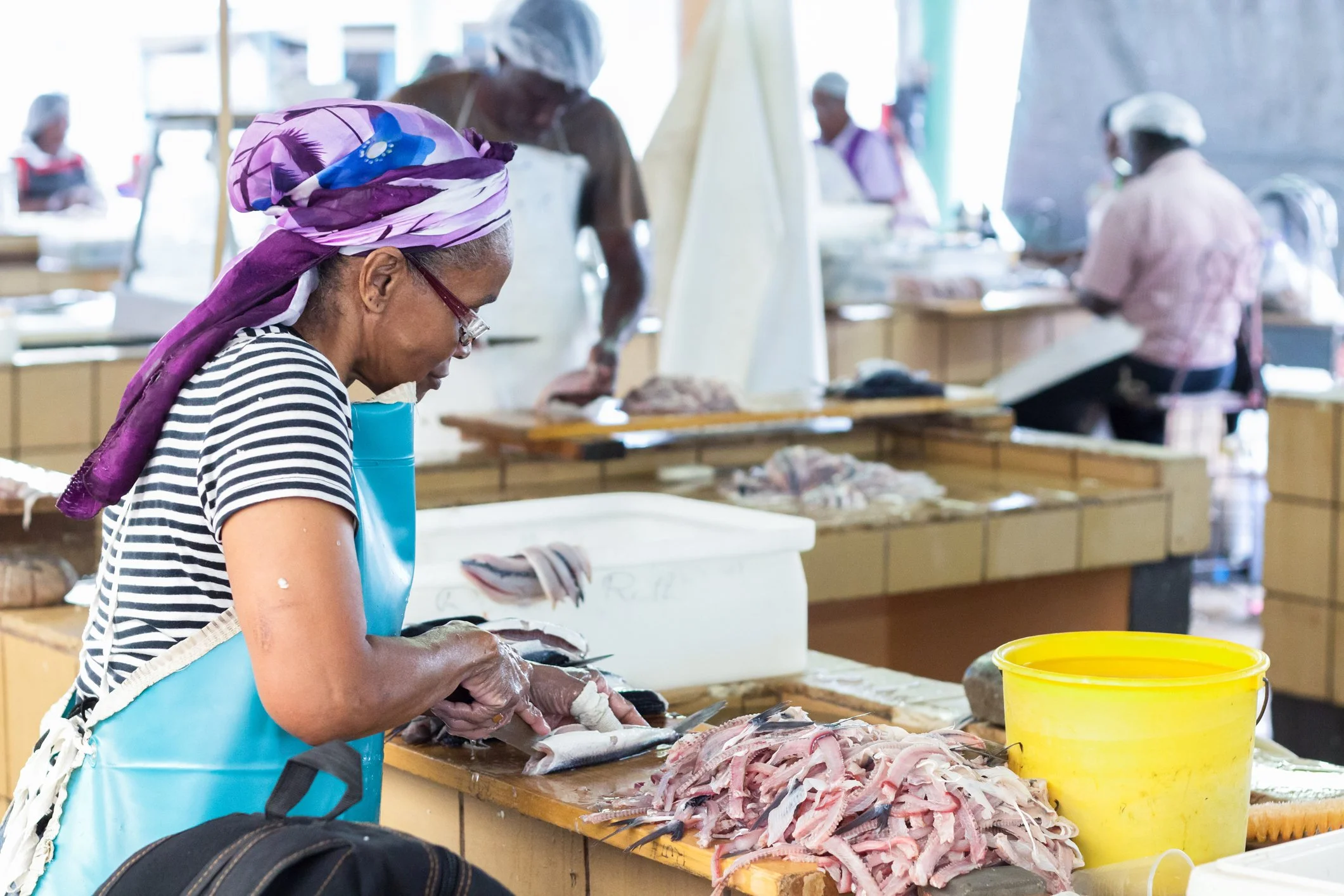
Advancing Gender Equity in Caribbean Fisheries
Recognising women’s work, strengthening participation, and creating fairer opportunities.
Across REBYC-III CLME+ and EAF4SG, gender equity is being advanced through practical systems for gender-responsive fisheries management. The projects are strengthening how gender is tracked, reported and integrated into stakeholder engagement, capacity building, knowledge sharing and decision-making, while creating space for women and marginalised groups to access resources, leadership and opportunities in the Caribbean fisheries sector.
Gender in Action
Through gender logging, gender statistics and demographic reporting, the projects are building a clearer picture of who is being reached, where gaps may exist, and how women and men are participating across project activities.
-
Gender logging, statistics and demographic reporting are helping the projects track participation and better understand who is being reached.
-
Gender Action Plan sessions and Gender Focal Points are supporting gender-responsive implementation across project activities.
-
Gender reports, media outputs and the Gender Action Learning Group are helping share lessons, strengthen capacity and guide next steps.
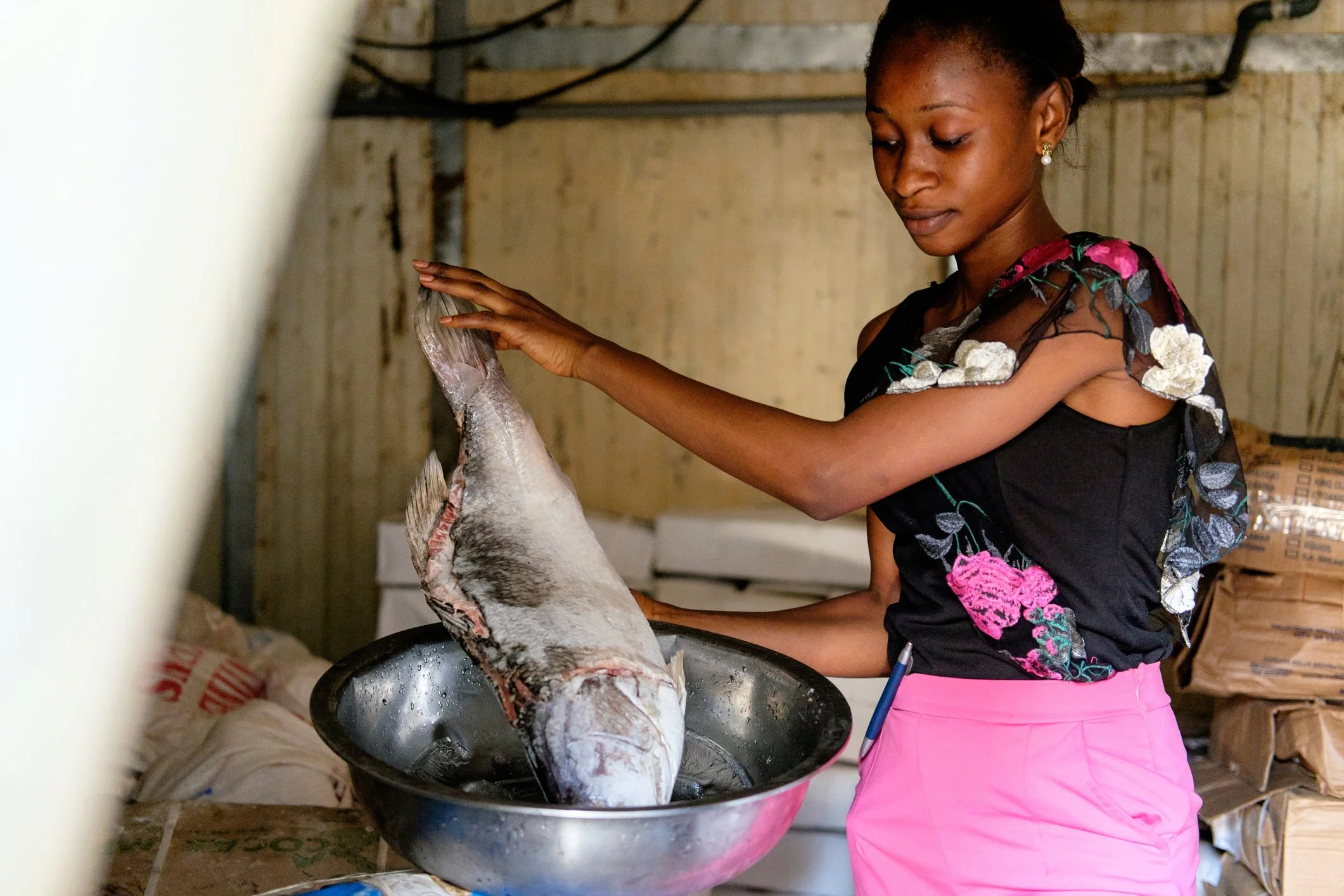
Globally, women’s work powers the fisheries sector.
Women play major roles across fisheries value chains, especially in post-harvest work, processing, marketing, trade and community-based livelihoods. FAO data shows that women account for 24% of fishers and fish farmers and 62% of the post-harvest fisheries and aquaculture workforce, illustrating that much of women’s contribution sits in the systems that keep the sector moving after fish are harvested.
Yet because this work is often unpaid, informal or undervalued, women’s roles can be undercounted in official data and overlooked in fisheries planning. This limits how well programmes understand the people, labour and knowledge that sustain the sector, and can affect access to training, finance, technology, resources and decision-making.
By including women more fully in fisheries data, our projects seek to make their contributions more visible, strengthen evidence-based planning, and advance more inclusive fisheries.

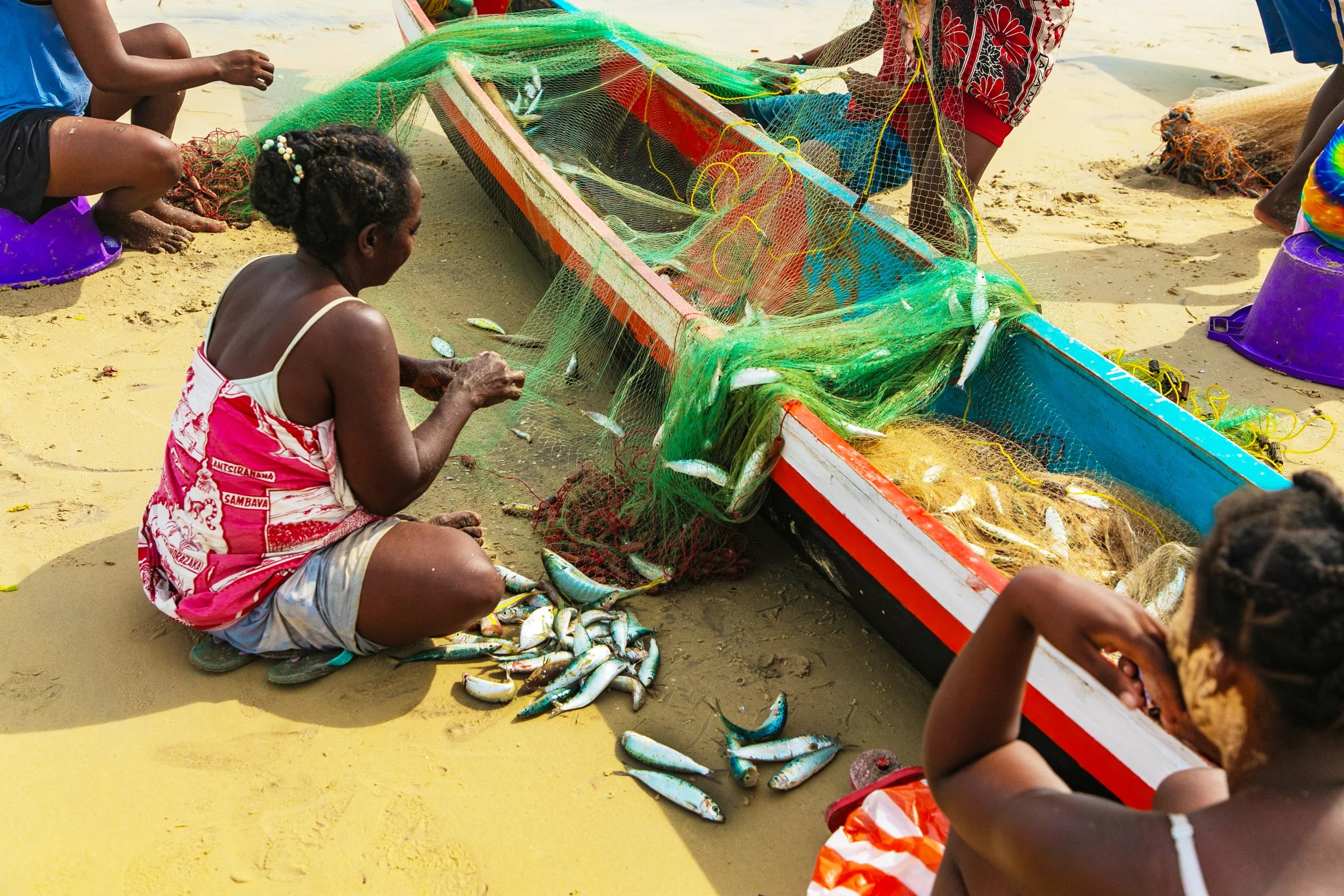
Gender Highlights
The Gender Action Learning Group (GALG)
A regional learning space supporting gender-responsive fisheries action under REBYC-III CLME+
The Gender Action Learning Group is helping turn gender equity from a project commitment into a shared learning process. Developed as part of the REBYC-III CLME+ gender work, the group is designed to bring together fisheries stakeholders to reflect on gender issues, identify practical solutions, and strengthen how gender is integrated into fisheries planning, participation and decision-making.
Its purpose is to create a more inclusive and gender-responsive learning space where women and marginalised groups can have stronger access to resources, leadership and economic opportunities in the fisheries sector. Through capacity building, knowledge sharing, policy engagement and community outreach, the group supports learning that can guide more inclusive fisheries action.
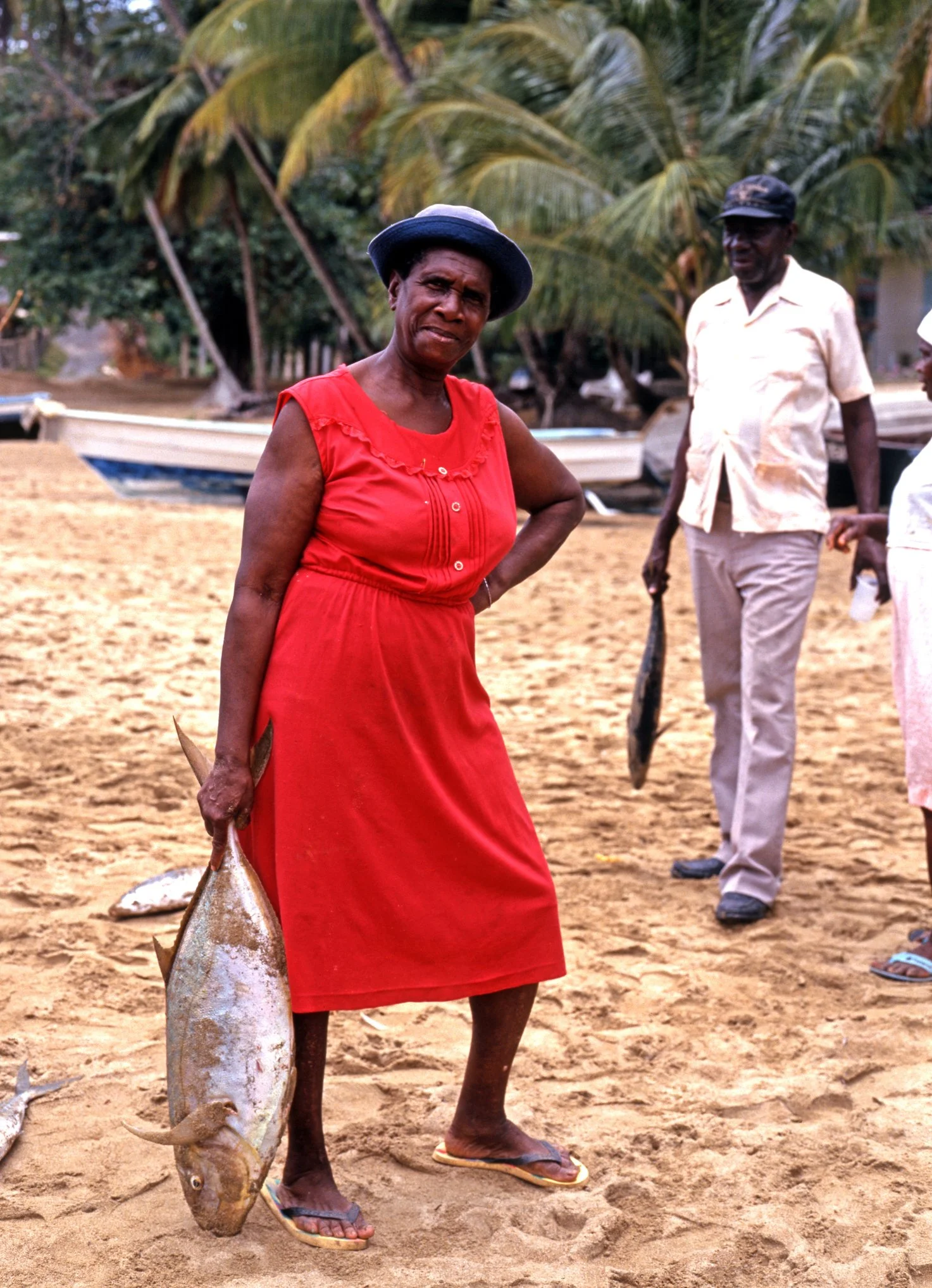
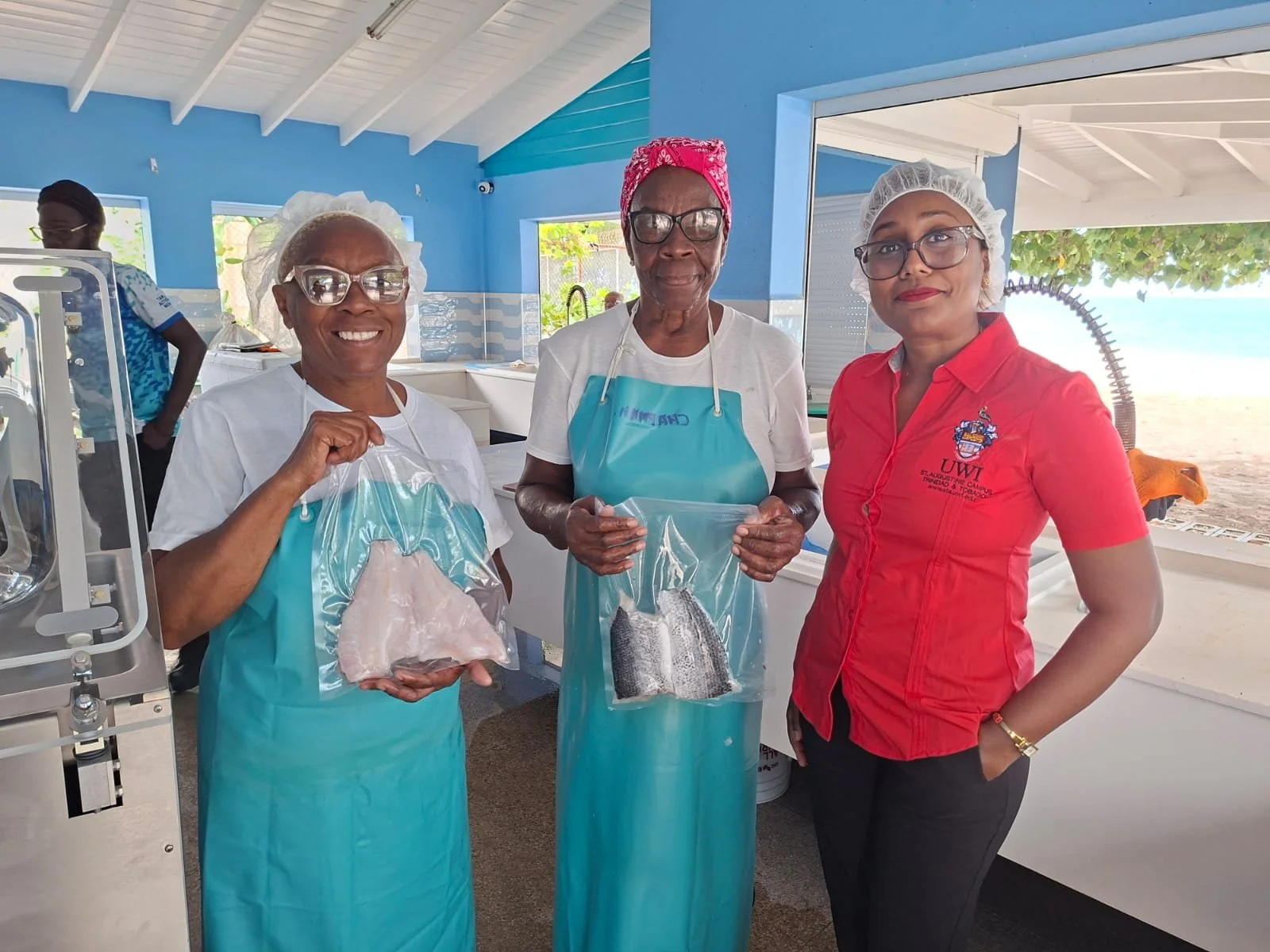
Barbados Vacuum Sealing Training
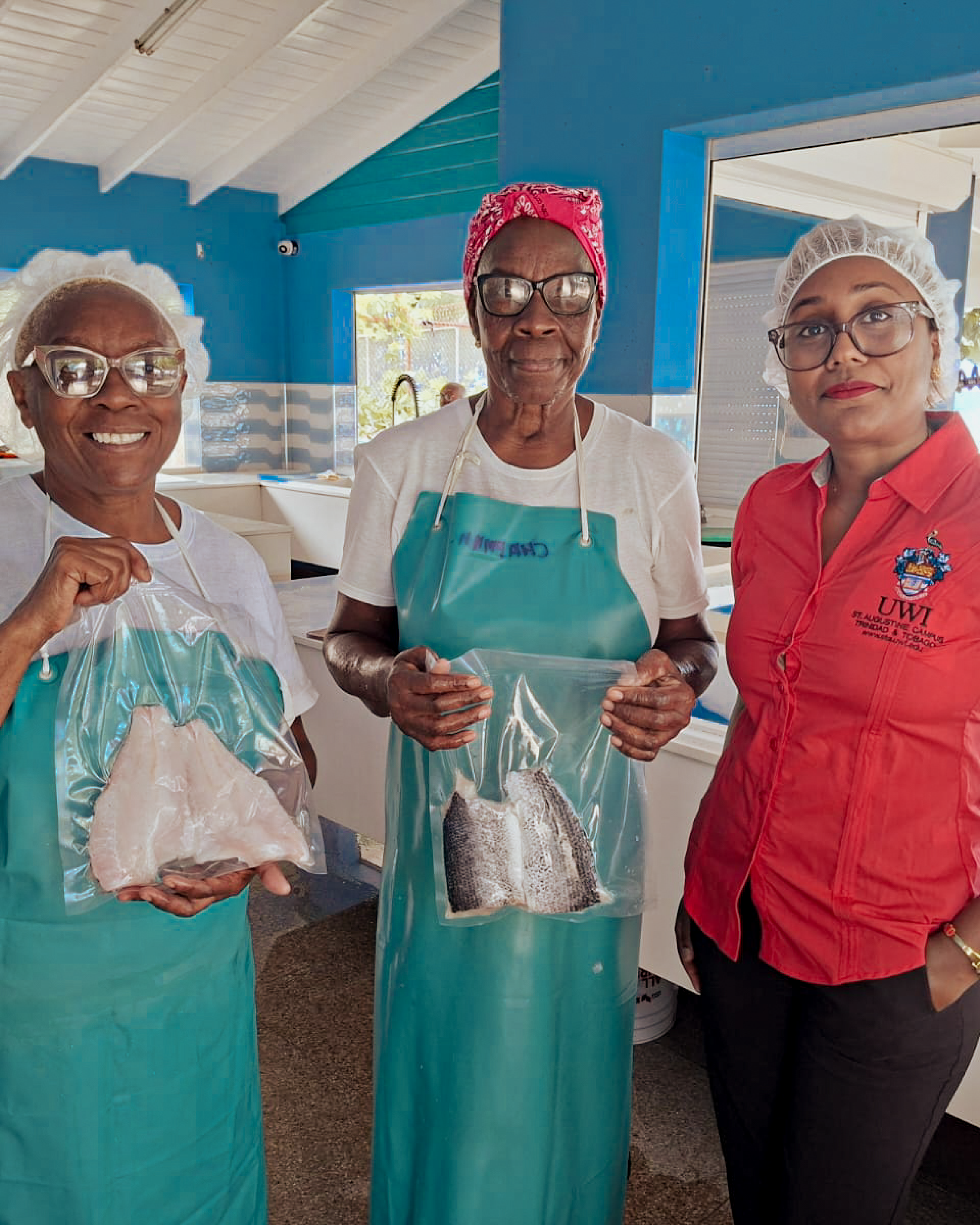
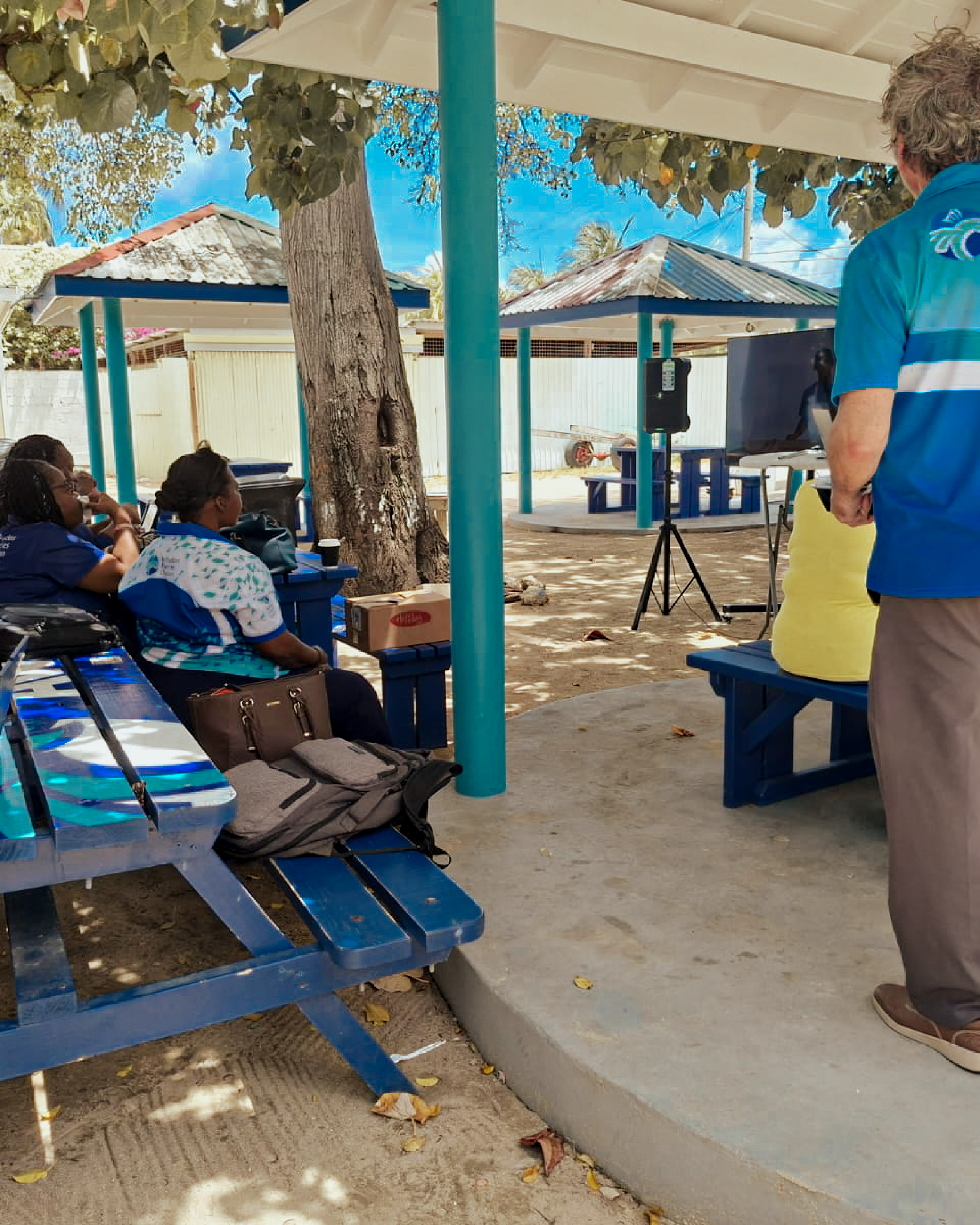
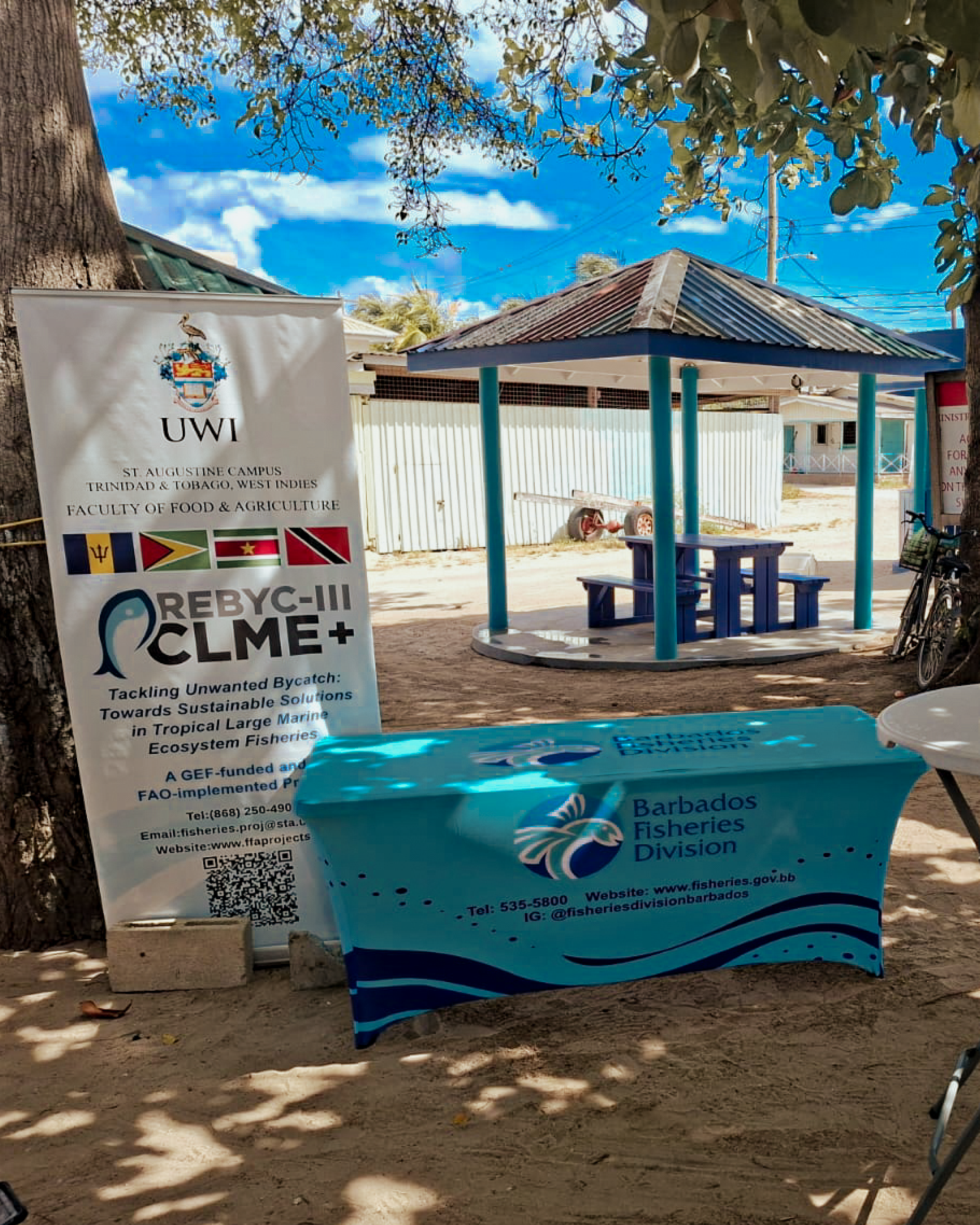
Successfully completed between April 20–23, 2026 at Pile Bay, Bridgetown. The Barbados Vacuum Sealing Training marked an important step in strengthening post-harvest handling, food safety, and value addition in the fisheries sector.
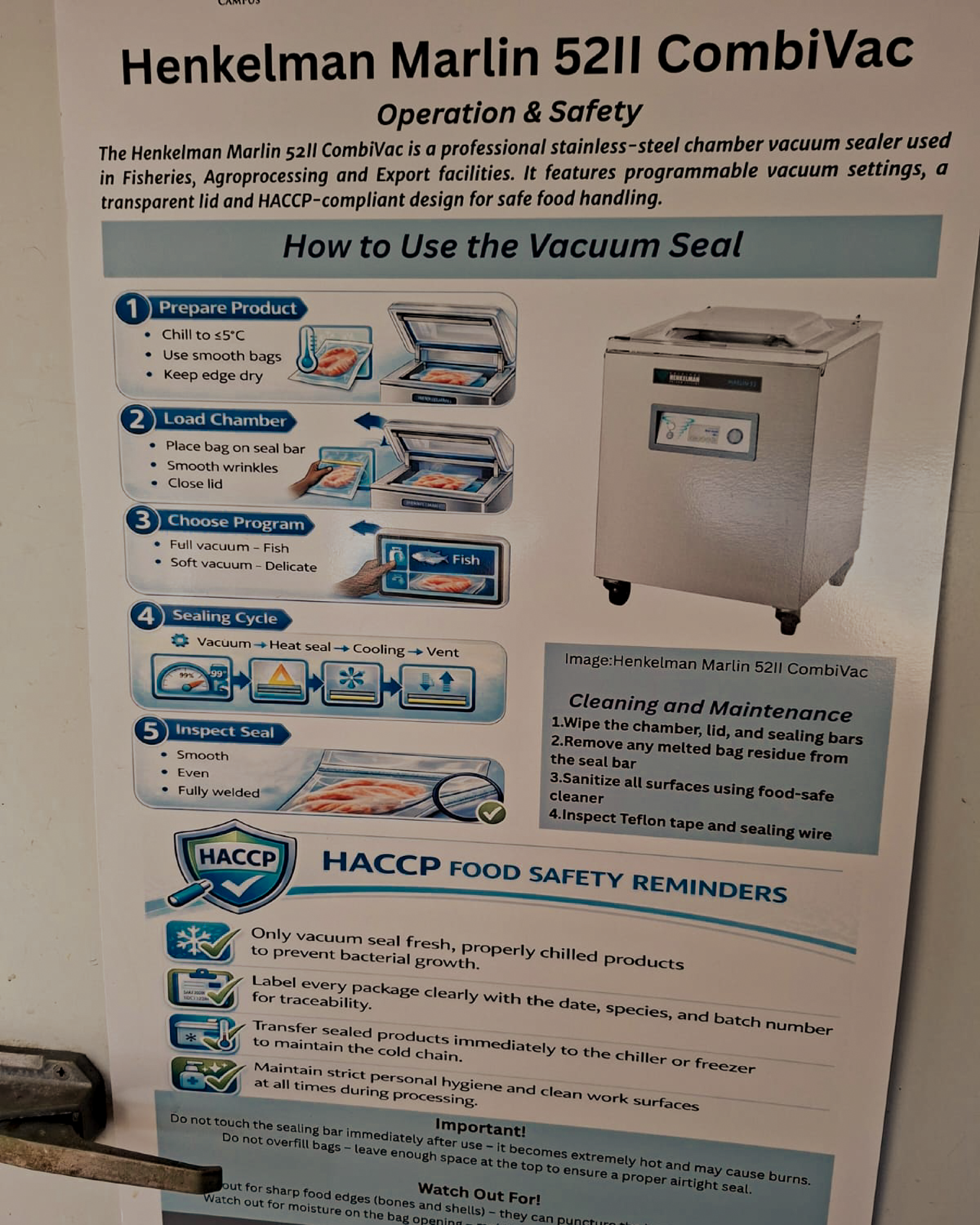
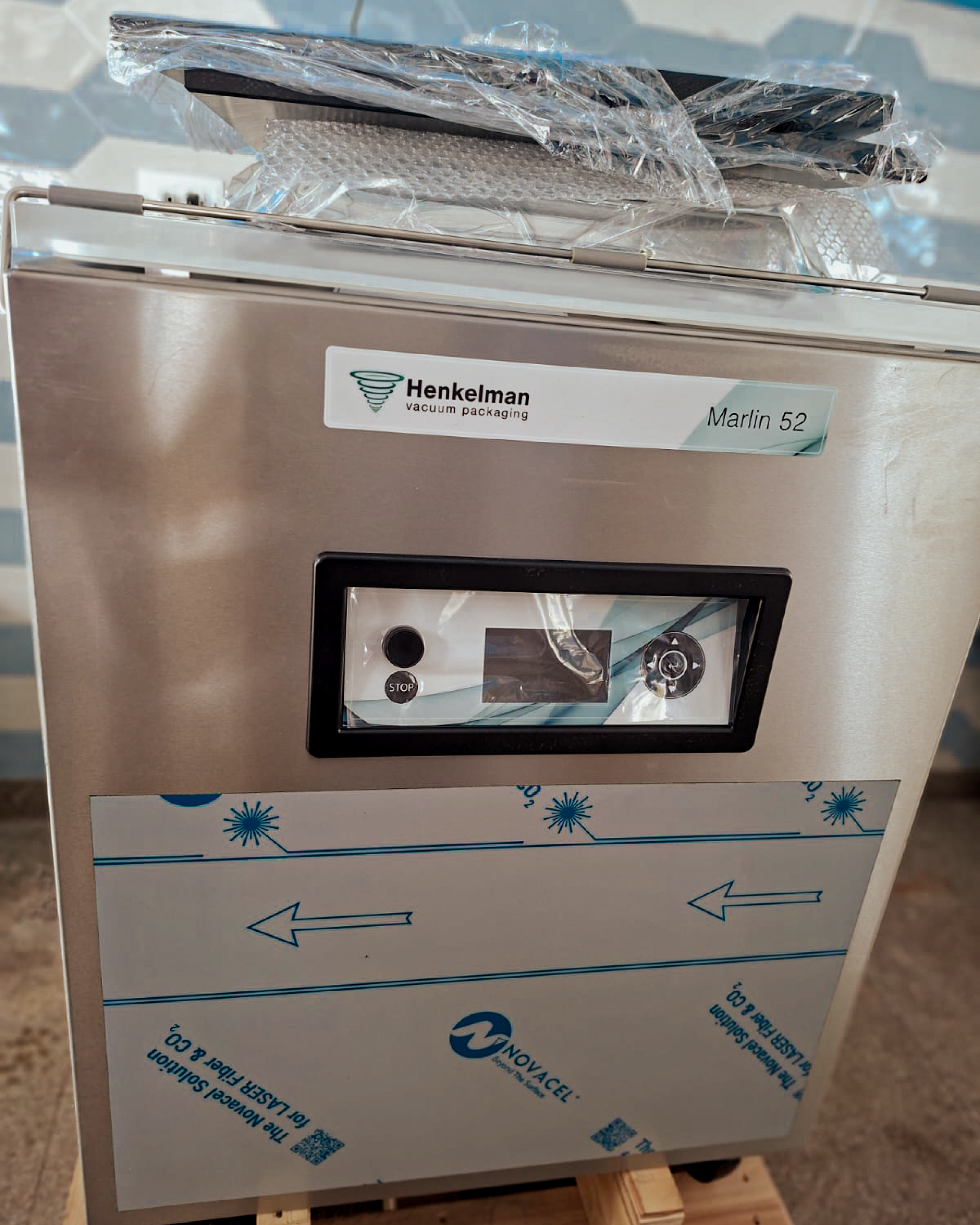
Over four days, participants received technical instruction and hands-on training using the Henkelman Marlin 52II CombiVac system, gaining practical experience in vacuum sealing seafood products to extend shelf life, preserve freshness, reduce spoilage, and improve product presentation.
The training also covered Good Hygienic Practices, Good Manufacturing Practices, HACCP, labelling, traceability, and cold chain management, helping participants align their practices with food safety standards and market requirements.
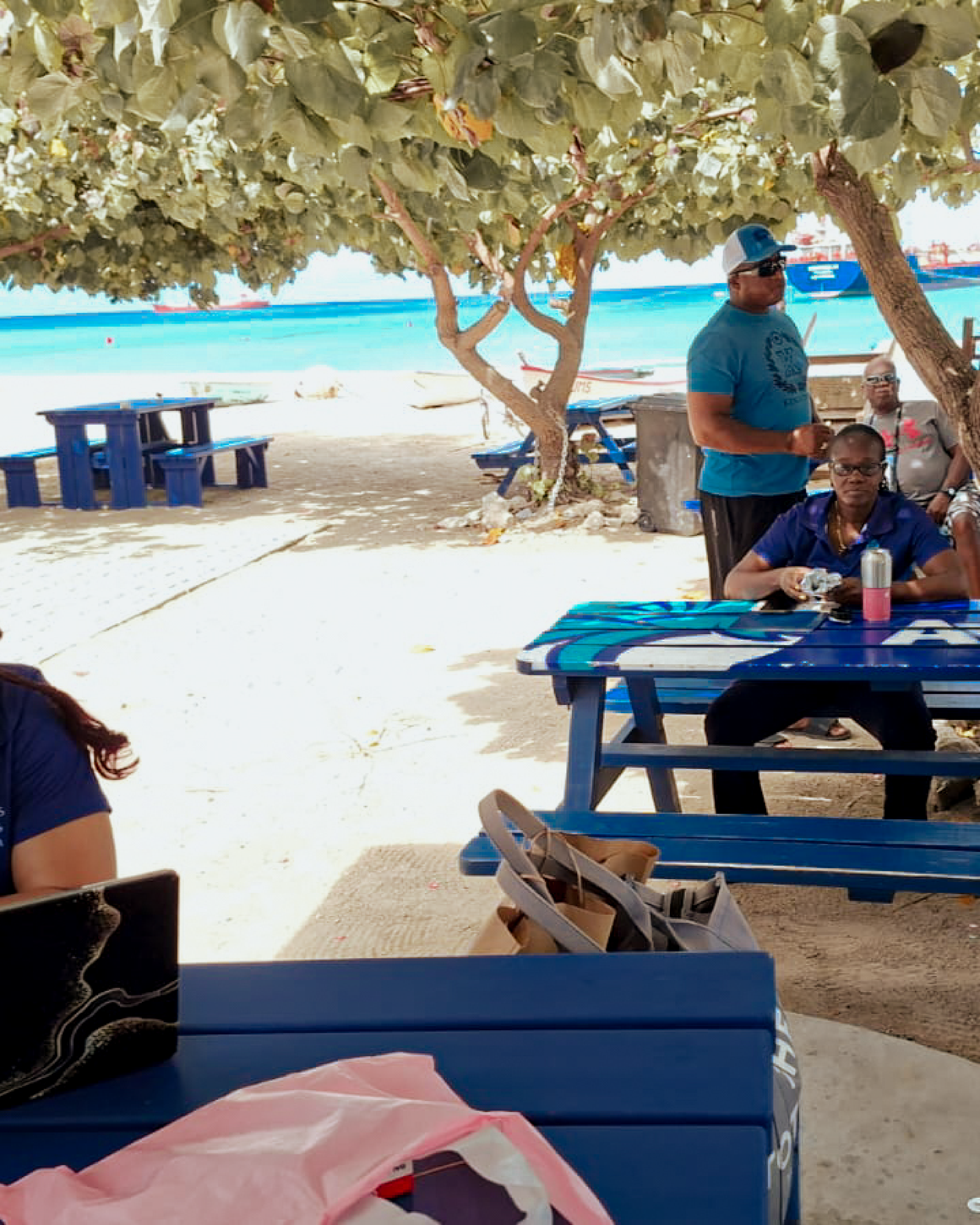
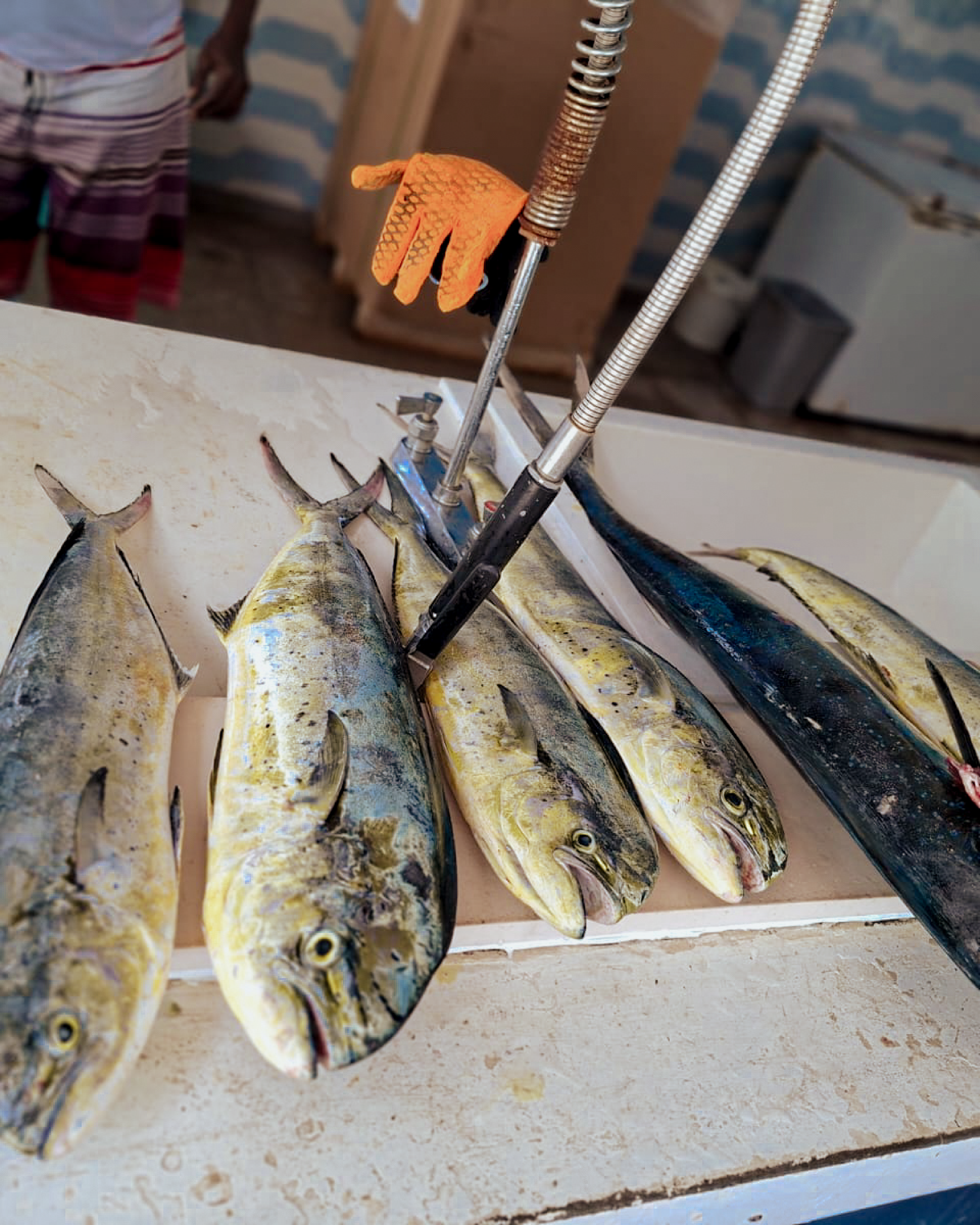
Held in an active fisheries landing and processing area, the training gave participants the opportunity to learn in a real-world setting while strengthening skills that can support better product quality, improved market access, and greater income opportunities.
Participant feedback was overwhelmingly positive, with many expressing confidence in applying the skills gained. The training also encouraged collaboration and knowledge sharing among vendors, helping to strengthen capacity within the fisheries community.
This hands-on capacity-building initiative supports stronger fisheries value chains, improved food safety compliance, reduced post-harvest losses, and more resilient livelihoods in the sector.